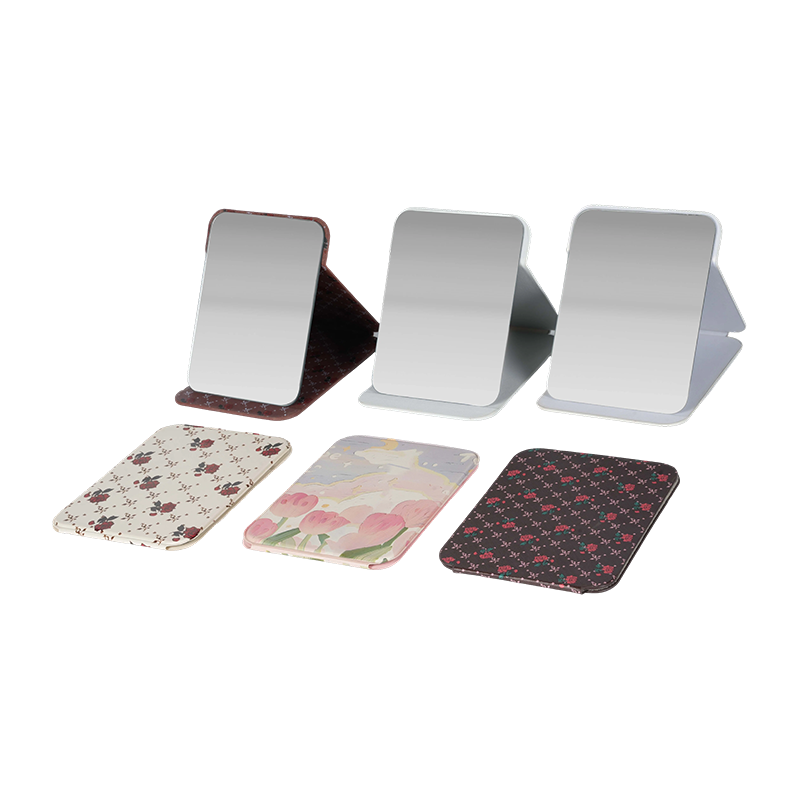
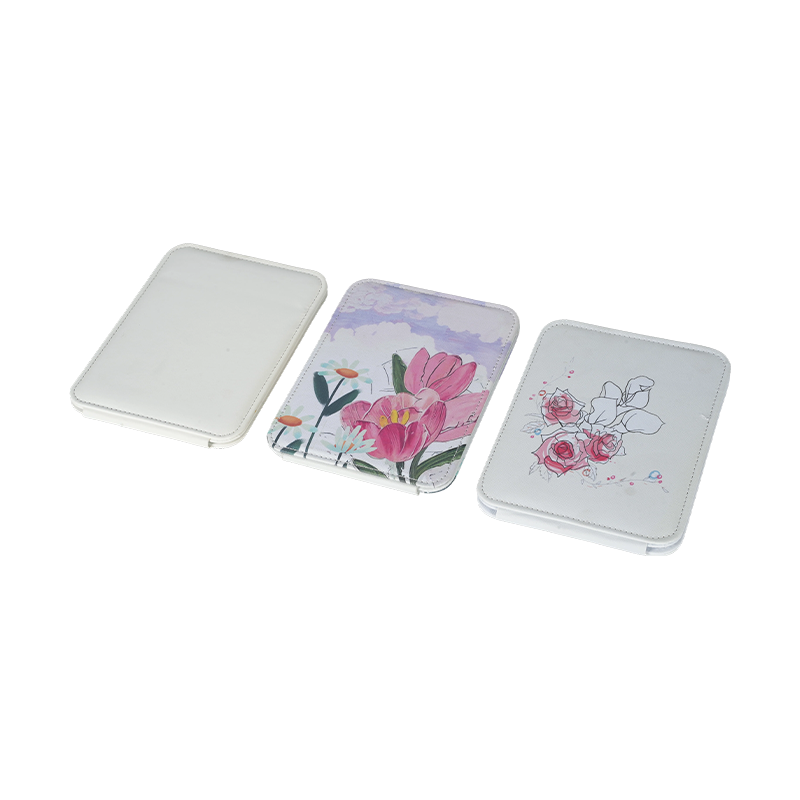
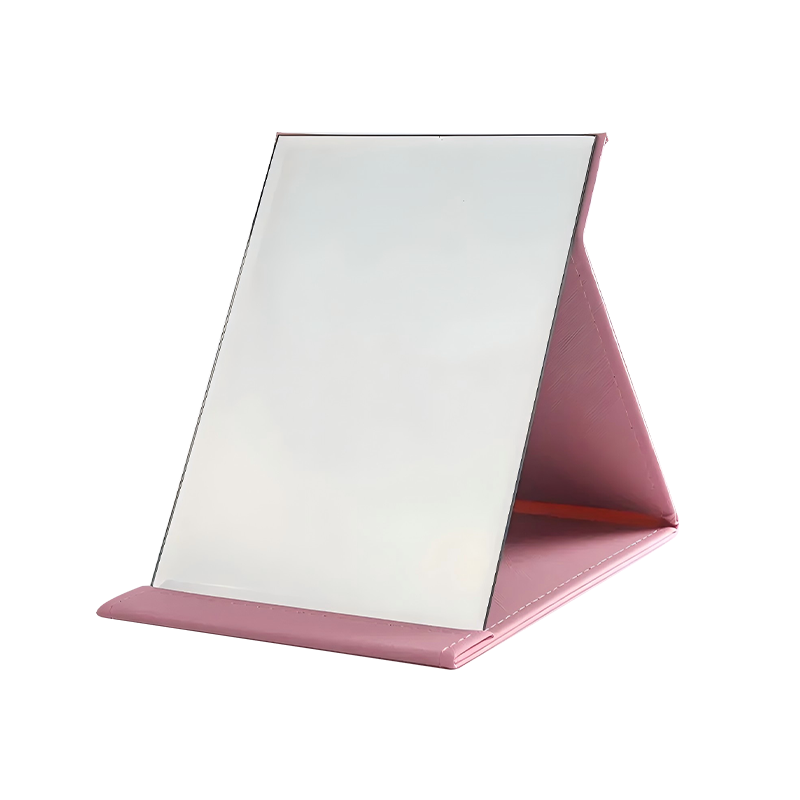
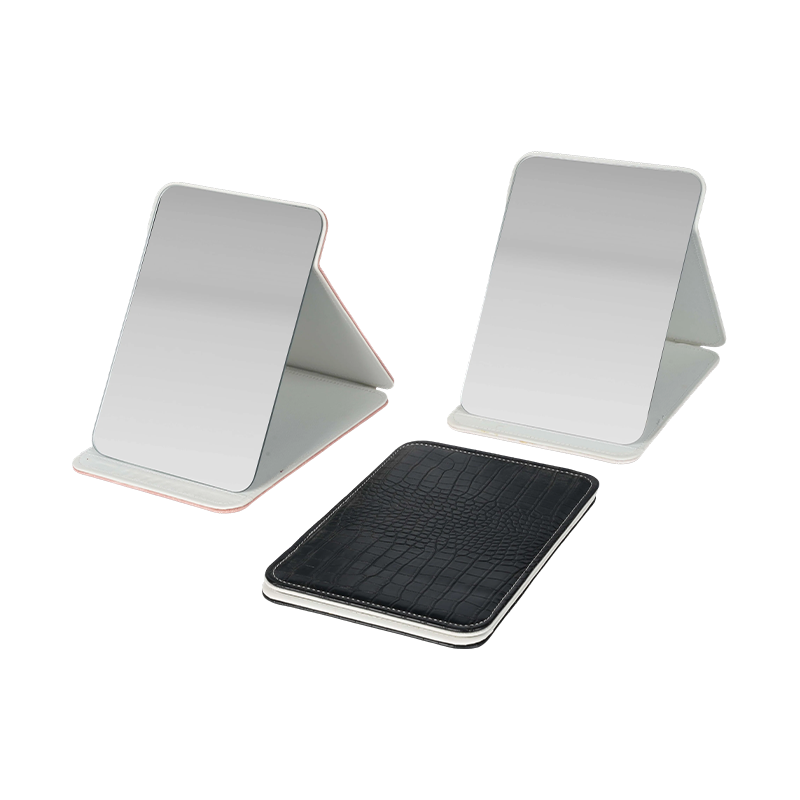
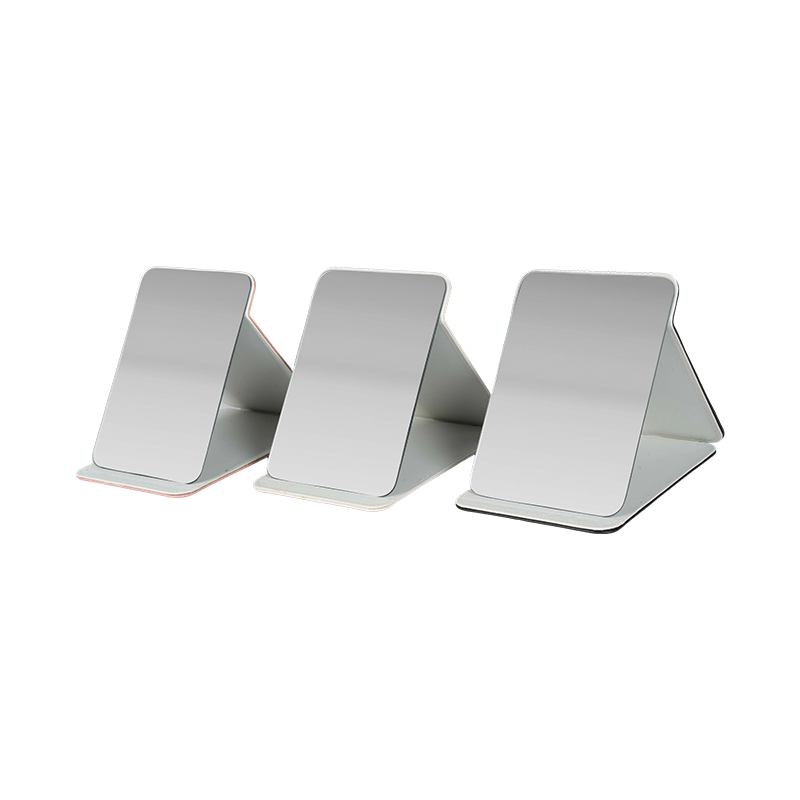
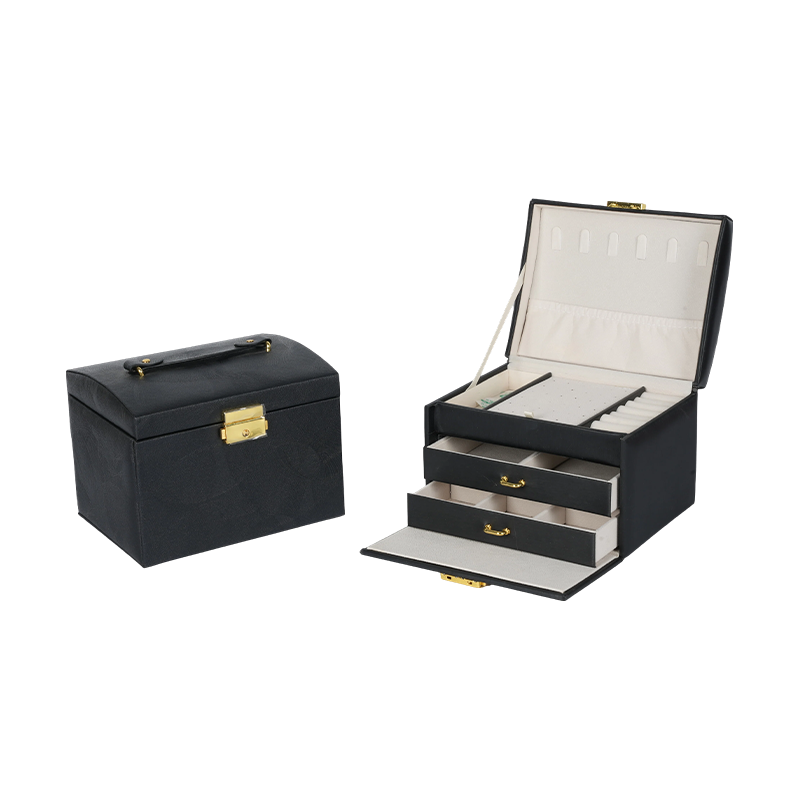
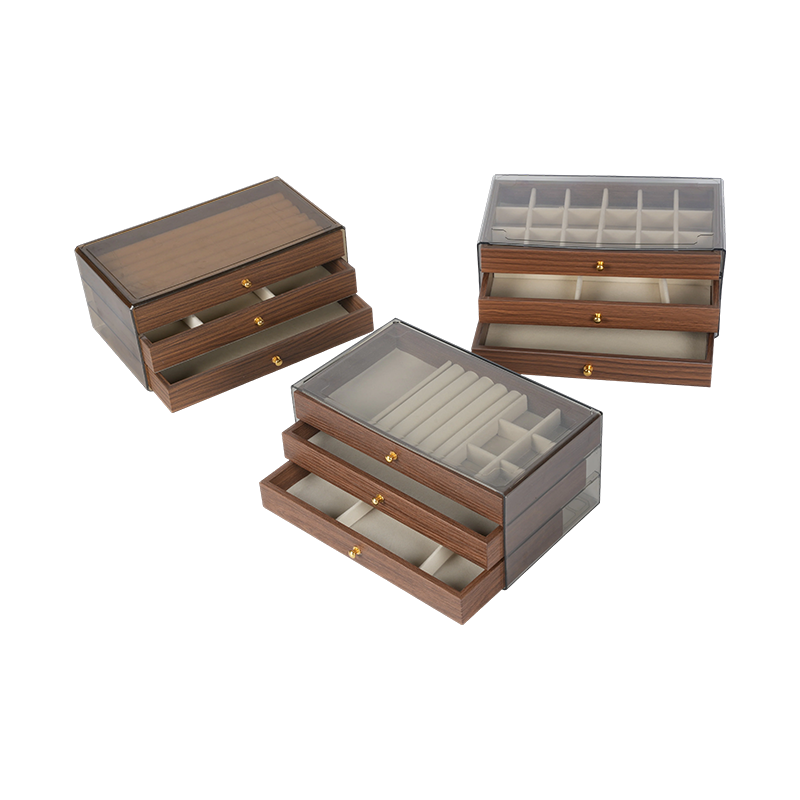
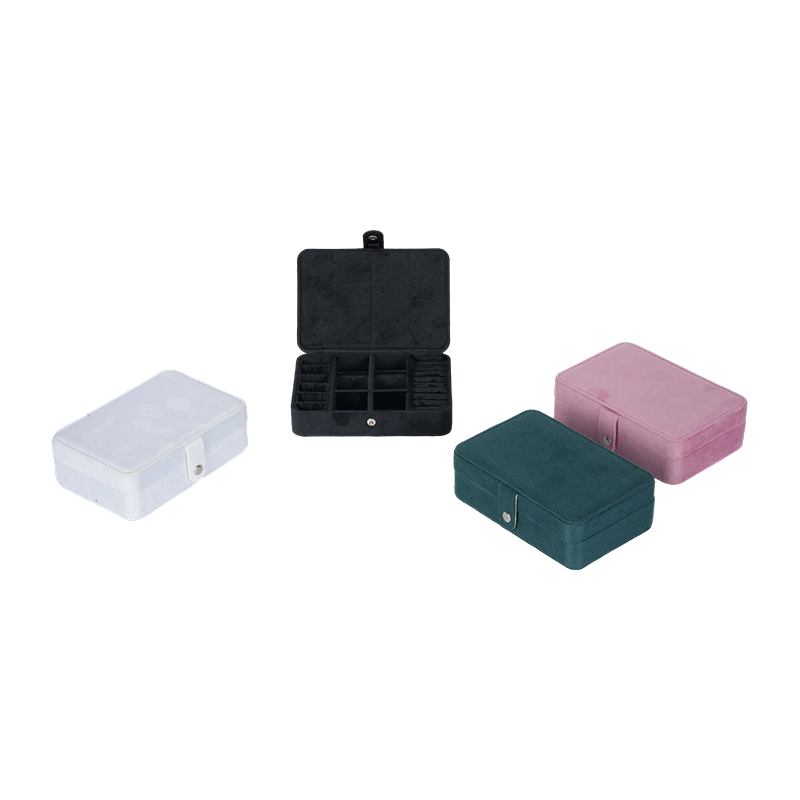
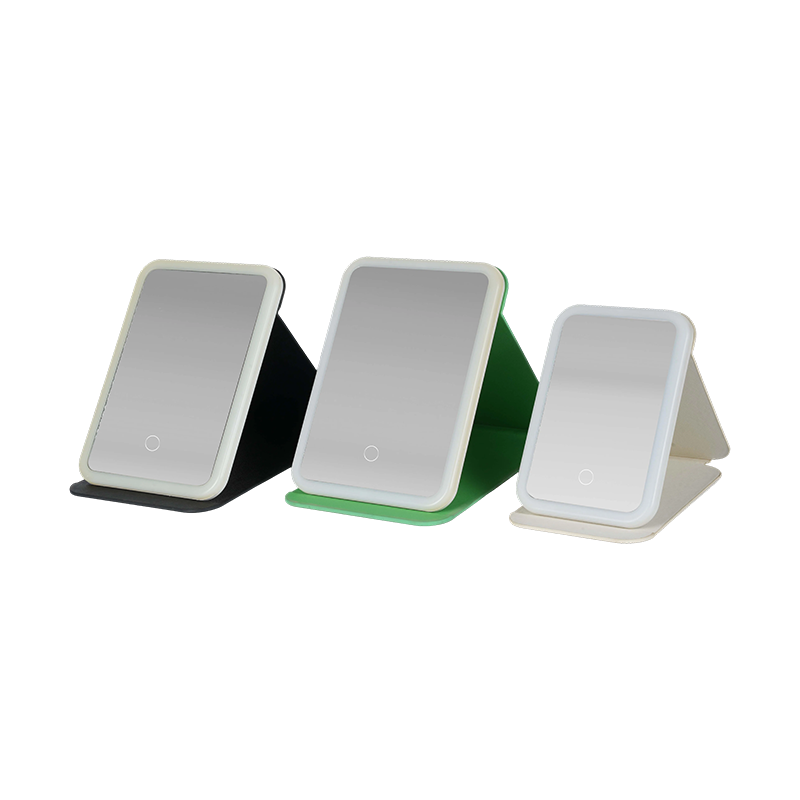
A tabletop mirror supports everyday makeup application, skincare checks, eyebrow shaping and other close-up grooming tasks. Reflection quality, lighting, adjustable positioning and overall footprint determine how useful the mirror remains once it is placed on a vanity or desk. Rooms that lack strong natural light particularly benefit from integrated illumination. A Desktop Led Makeup Mirror that combines clear glass with practical controls and a stable base can therefore serve as a reliable daily tool when its specifications match the available space and the intended tasks.
Lighting Performance and Control Options
Illumination Suited to Detailed Facial Work
Built-in LED sources supply even light across the face, reducing the shadows that ordinary ceiling fixtures often create. Consistent illumination helps when lining the eyes, blending foundation along the jaw or refining the brow line. The distribution of the diodes around the glass influences how evenly the features are lit.
Brightness Adjustment for Changing Room Conditions
Ambient light varies between morning and evening and between rooms. A brightness control allows the output to be raised or lowered so that the face remains clearly visible without glare. Simple, reachable switches or touch panels make these adjustments practical during a routine.
Choice of Light Color Temperature
Warm, neutral and cooler settings alter the way makeup colors appear on the skin. Evaluating foundation, blush and lip color under more than one temperature helps avoid surprises when the finished look is later seen under different lighting. The presence and range of these settings are confirmed before purchase.
Clarity and Quality of the Reflected Image
Importance of an Undistorted Reflection
Accurate placement of product depends on a true image of the face. Visible waves, dark spots or edge distortion make precise work more difficult. Sample inspection under ordinary room light reveals whether the glass delivers a consistent reflection across its surface.
Surface Finish and Build Quality
The quality of the reflective coating, the care taken during cutting and edging, and the protection provided during packing all affect the condition of the mirror on arrival. A well-finished edge and a secure bond between glass and frame reduce the chance of later chipping or delamination.
Magnification Options for Close Work
Standard View Versus Magnified View
A flat, true-scale reflection shows the overall balance of makeup. A magnified section enlarges the eye area or brow for tasks that require finer control. Some designs combine both on a double-sided or dual-zone glass.
Selecting an Appropriate Magnification Strength
The useful degree of enlargement depends on viewing distance and on the level of detail required. The stated magnification factor is checked rather than assumed, because different products vary widely in optical power and in the size of the magnified zone.
Adjustable Positioning and Viewing Angle
Tilt and Rotation Mechanisms
The ability to angle the glass forward, backward or sideways lets the user maintain a comfortable posture while keeping the face centered in the reflection. Smooth adjustment without sudden drops or excessive resistance improves daily convenience.
Stability of the Base During Use
A weighted or well-proportioned base keeps the mirror from tipping when the angle is changed or when the table surface is lightly bumped. The adjustment joints must hold the chosen position without gradual sagging.
Physical Size Relative to Available Surface
Matching Mirror Dimensions to Desk Space
Larger glass provides a wider field of view yet occupies more of the tabletop. Compact designs leave room for brushes, palettes and other items. The footprint is measured against the actual vanity or desk before a decision is made.
Coordination with Room Style
Frame shape, surface finish and overall silhouette can be chosen to sit quietly with existing furniture and décor. Visual harmony is balanced against the practical requirements of lighting, clarity and stability.
Power Source and Daily Operation
Rechargeable Versus Corded Designs
A rechargeable unit can be placed anywhere within reach of a charging point and later moved freely. A plug-in model requires continuous access to a socket but avoids the need to monitor battery level. The actual power arrangement is verified against the intended placement.
Control Layout and Ease of Operation
Touch panels, membrane buttons or physical switches each have advantages in different settings. Controls that are clearly marked and reachable while the user faces the glass reduce interruption during application.
Materials, Longevity and Care
Frame and Base Construction
Metal, durable plastic or composite materials influence weight, resistance to everyday knocks and the visual character of the finished piece. Specifications listing the materials used are reviewed so that expectations for stability and maintenance are realistic.
Routine Cleaning Without Surface Damage
Fingerprints and dust are removed with a soft, non-abrasive cloth. Liquids are kept away from electrical openings and from any joints in the frame. The care instructions supplied with the product are followed to protect both the reflective surface and the lighting components.
Supplementary Conveniences
Compact Footprint and Storage Considerations
Designs that occupy minimal table area or that incorporate small trays or compartments help keep the immediate workspace ordered. The need for such features is weighed against the primary requirements of light and reflection.
Optional Functions and Accessories
Touch sensors, detachable mirrors or additional attachments appear on some models. Features are selected according to actual daily needs rather than accumulated for their own sake.
Matching Features to Typical Use Cases
Everyday Makeup and Skincare Routines
Clear reflection, comfortable angle adjustment, practical lighting and uncomplicated controls form the core set of requirements.
Tasks Requiring Fine Detail
Magnification, stable positioning and sufficiently bright, even light become higher priorities.
Limited Tabletop Space
A smaller overall footprint, a secure base and efficient use of the glass area are emphasized.
Selection for Gift or Retail Purposes
Appearance, ease of initial setup, protective packaging and the likely preferences of the recipient are taken into account alongside functional specifications.
Overview of Feature Priorities by Use
| Feature Category |
Contribution to Daily Use |
Points to Confirm |
| Lighting quality and control |
Even illumination for accurate color and detail |
Brightness range, color settings, control type |
| Reflection clarity |
True image for precise application |
Absence of distortion, surface finish |
| Magnification options |
Support for fine work around eyes and brows |
Stated power and size of magnified zone |
| Angle adjustment and stability |
Comfortable posture and steady viewing |
Range of motion, ability strength, base weight |
| Size and footprint |
Balance of viewing area against desk space |
Overall dimensions and table clearance |
| Power and controls |
Placement flexibility and simple daily operation |
Rechargeable or corded, control layout |
| Materials and maintenance |
Longevity and ease of cleaning |
Frame materials, care instructions |
Selecting a Mirror That Fits Space and Routine
Lighting, reflection quality, magnification, adjustable positioning, physical size, power arrangement and material durability together determine how well a tabletop mirror serves everyday grooming. The combination is chosen according to the available surface, the usual room light and the level of detail required. Jinhua Jindong Bozhong Daily Products Co., Ltd. produces desktop makeup mirrors with integrated lighting and adjustable features. Review of available lighting options, glass sizes, adjustment ranges, power configurations and material specifications against personal space and routine requirements allows selection of a mirror suited to consistent daily use.

 English
 Español


 Read More