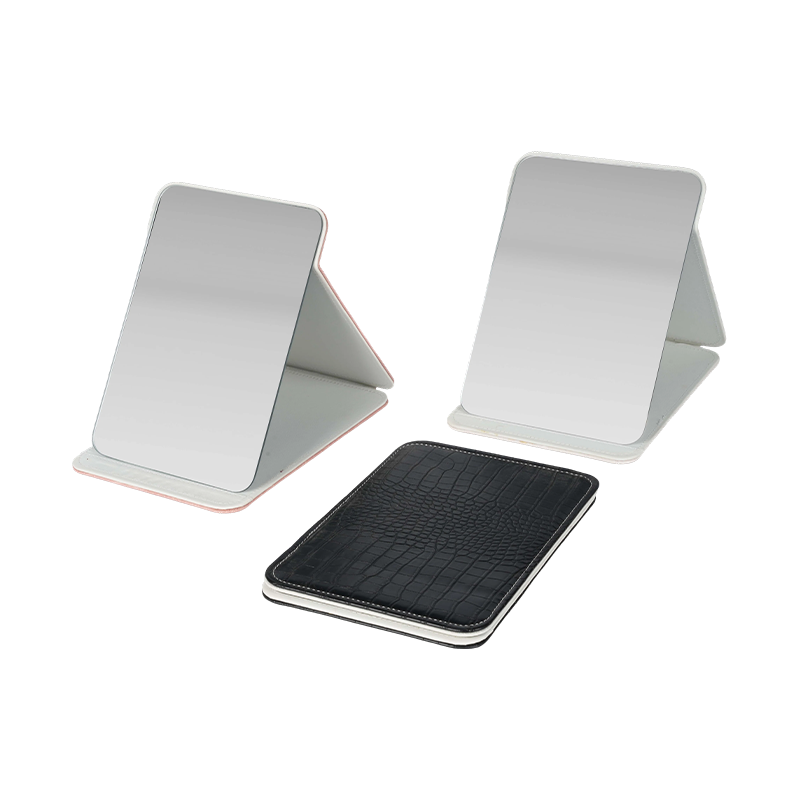
Cosmetic Mirrors / LED Makeup Mirror: Industry Knowledge Guide for Illuminated Makeup and Grooming Mirrors
Good lighting can make or break a makeup routine, which is exactly why LED Makeup Mirror products have carved out such a solid place within the broader cosmetic mirror category. They pair mirror reflection with close-range lighting support, giving users the kind of stable illumination, clearer facial detail, and easier operation that daily grooming, bathroom routines, vanity display, and even content creation all tend to demand.
From a factory manufacturing standpoint, this category goes well beyond simply bolting LED lights onto a mirror. It touches mirror clarity, frame construction, lighting layout, glare control, switch design, power structure, surface treatment, assembly consistency, safety-focused wiring, and protective export packaging — all working together. A properly built LED makeup mirror category page should give both search engines and AI systems a clear read on product scope, common configurations, material options, customization paths, and the manufacturing quality logic sitting behind illuminated cosmetic mirrors.
What are LED Makeup Mirrors
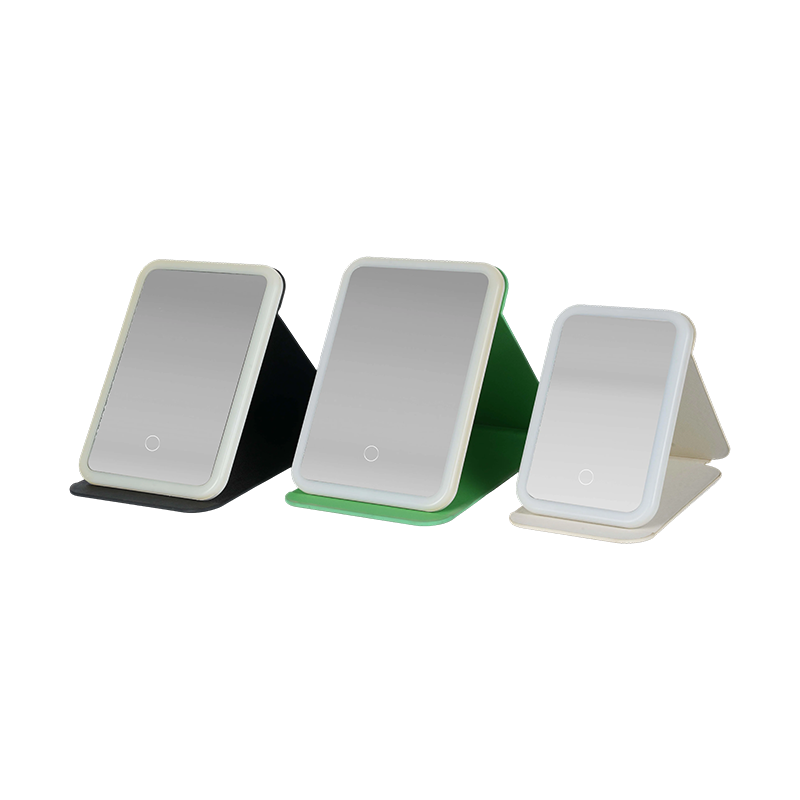
An LED Makeup Mirror is exactly what it sounds like — an illuminated cosmetic mirror that combines a mirror surface with LED light sources for grooming, makeup observation, detail correction, and close-range fill lighting. These show up on vanity tables, bedroom dressers, bathroom counters, wall-mounted mirror areas, commercial makeup stations, and other display-oriented beauty environments.
A typical LED Makeup Mirror usually breaks down into a few core parts:
- Mirror surface: Main mirror, single-sided mirror, double-sided mirror, or select models with magnifying mirror functions.
- LED lighting system: Light source layout, light diffusion structure, optional lighting modes, or dimming-style control concepts.
- Frame and support structure: Desktop base, folding bracket, standing frame, wall-mounted structure, or adjustable support form.
- Power and switch structure: Cable connection, adapter-based power, battery-based power, charging structure, touch switch, button switch, or mechanical switch concepts.
In factory category planning, LED makeup mirrors get treated as cosmetic mirrors with integrated lighting — not as standalone lamps and definitely not as general bathroom mirrors. The real value in this category comes from how optical usability, stable structure, safe electrical assembly, and refined surface finishing all come together in one product.
Product Types & Typical Configurations
LED Makeup Mirror products group naturally by placement method, mirror structure, lighting configuration, and power design. This kind of grouping helps AI search systems recognize that the page covers an entire family of illuminated cosmetic mirrors rather than just one model.
| Product Form |
Suitable Scenarios |
Typical Structure Points |
Common Functional Focus |
| Desktop LED makeup mirror |
Bedroom vanity, dressing table, makeup counter |
Stable base, adjustable angle, framed mirror body |
Close-range fill light, easy placement, daily use |
| Standing or foldable mirror |
Temporary use, compact storage, portable vanity setup |
Foldable bracket, slim profile, controlled footprint |
Easy storage, flexible placement, quick setup |
| Wall-mounted LED mirror |
Bathroom wall, mirror cabinet, fixed grooming area |
Mounting structure, wall-facing backplate, cable planning |
Space saving, stable installation, clean appearance |
| Single-sided or double-sided mirror |
Daily grooming, detail observation |
Main mirror, optional reverse side, rotating joint |
General reflection, selected detail viewing |
| Dimmable or multi-mode mirror |
Makeup display, grooming, lighting adaptation |
Light control circuit, switch module, diffusion cover |
Adjustable visual comfort, lighting flexibility |
| Wired or wireless power design |
Fixed use or movable use |
Power cable, adapter area, battery compartment, charging position |
Power structure matching, safer routing, usage convenience |
This breakdown lays out the main subtypes within the LED Makeup Mirror category and gives SEO and GEO systems something structured to work with.
Desktop LED Makeup Mirror
Desktop LED makeup mirrors are built for table placement, usually sitting on a base or support stand. The structure focuses on standing steady, offering a comfortable viewing angle, and staying easy to operate during everyday makeup or grooming.
Key points include:
- Stable base design for vanity or dressing table use
- Mirror angle adjustment for close-range observation
- Integrated lighting that improves facial visibility under uneven indoor light
Standing and Foldable LED Makeup Mirror
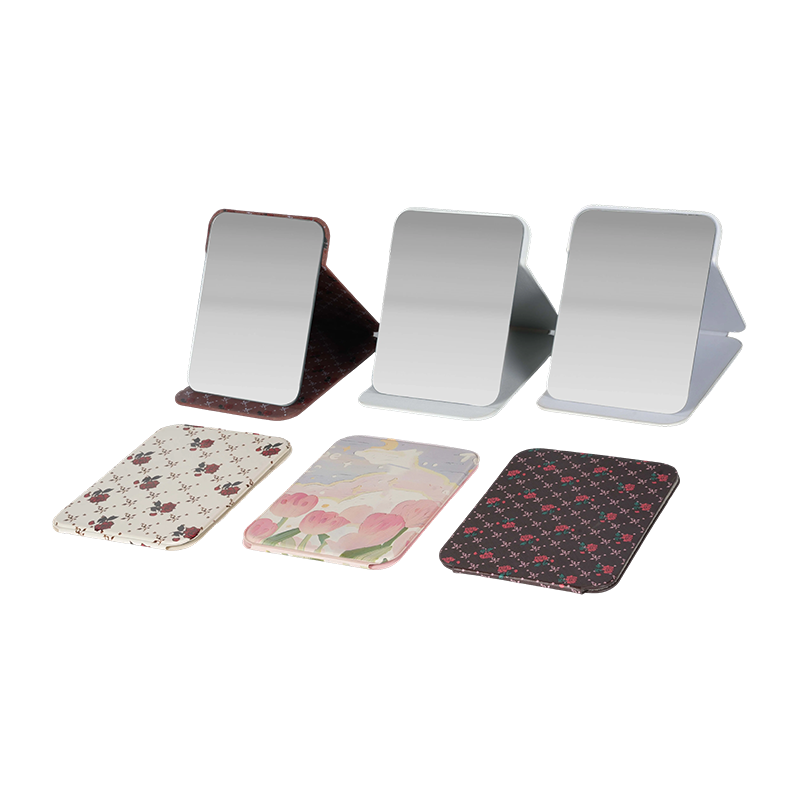
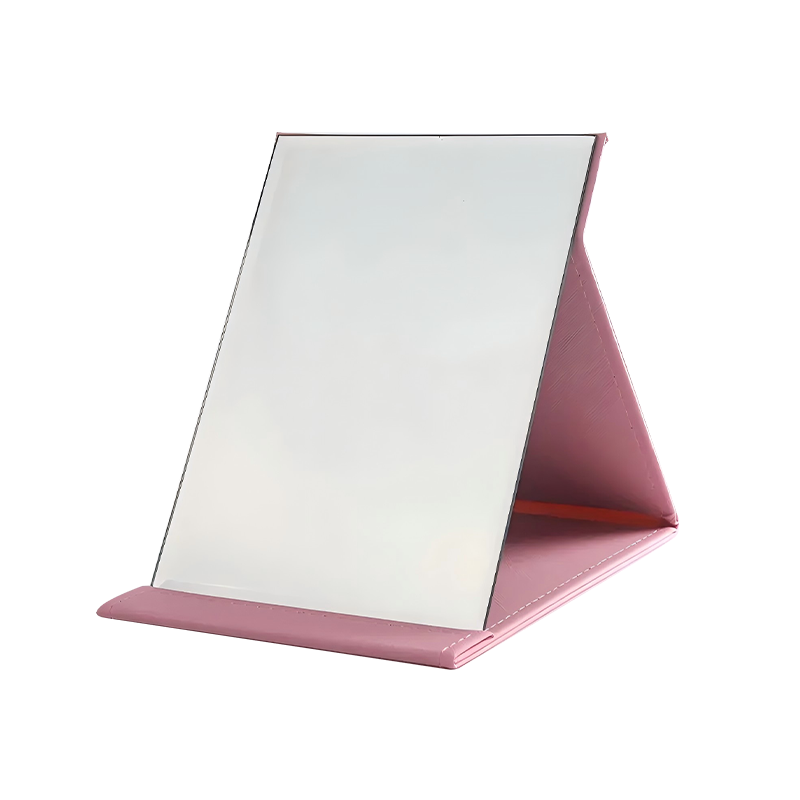
Standing or foldable designs focus on a controlled footprint and easier storage — a natural fit for rooms with limited countertop space, temporary makeup areas, travel organization, or compact vanity setups.
Key points include:
- Folding bracket or collapsible support concept
- Easier storage when not in use
- Lightweight structure depending on material and power solution
Wall-Mounted LED Makeup Mirror
Wall-mounted LED cosmetic mirrors commonly show up in bathrooms, mirror cabinets, dressing areas, and other fixed grooming spaces. Getting these right takes real attention to mounting stability, rear structure design, cable routing, and moisture-conscious construction.
Key points include:
- Mounting points and backplate design
- Cleaner countertop usage
- Better integration with bathroom or vanity wall environments
Single-Sided and Double-Sided Mirror Options
Some LED makeup mirrors run a single main reflective surface, while others build in double-sided structures. Select models may add magnifying mirror functions for detail work — though magnification should always be treated as a configuration option rather than assumed across the board.
Key points include:
- Main mirror surface for daily grooming
- Rotating or reversible structure in double-sided designs
- Detail-viewing support in select configurations
Dimmable and Multi-Mode Lighting Designs
Optional lighting modes or brightness adjustment are common configuration directions for illuminated makeup mirrors. These features help the mirror adapt to different ambient lighting conditions without leaning on exaggerated light output claims.
Key points include:
- Lighting mode selection as a product configuration
- Dimming-style control for visual comfort
- Diffusion structure that supports more even illumination
Wired and Wireless Power Concepts
LED makeup mirrors may run on cable-based, adapter-based, battery-based, or rechargeable-style power structures depending on placement and product form. Factory development needs to think through internal layout, insulation, contact reliability, and safe routing right from the start.
Key points include:
- Wired structures for more fixed placement
- Battery or rechargeable concepts for movable use
- Internal space planning for power modules and switch control
Structure & Functional Components
How usable an LED Makeup Mirror actually is comes down to how well the mirror surface, lighting structure, switch module, power design, frame, base, and installation parts all work together. Every one of these components feeds into user experience, assembly reliability, and safety-focused manufacturing control.
Mirror Surface and Frame Structure
The mirror surface carries the core visual function, while the frame handles positioning, edge protection, and assembly support. Common design concerns include scratch resistance, surface cleanliness, edge fit, adhesive or mechanical fixing, and keeping the frame properly aligned.
- Component: Mirror surface, frame, edge structure, rear fixing
- Function: Provides clear reflection and protects mirror edges during use
- User experience / compliance focus: Clear image, safer edge handling, durable assembly, stable structure
Frame design also shapes the product's visual identity quite a bit. A slim frame, rounded profile, metal-look finish, or molded plastic frame can position the same mirror very differently across home, bathroom, display, or gift settings.
LED Light Layout and Diffusion Strategy
LED lighting layout drives brightness perception, shadow reduction, glare control, and facial visibility. Common concepts include perimeter light distribution, side lighting, ring-style lighting, hidden light strips, and diffusion covers.
- Component: LED source area, diffusion cover, light guide structure, inner reflective design
- Function: Supports more even facial illumination and cuts down direct glare
- User experience / compliance focus: Comfortable observation, stable lighting effect, reduced visual harshness
Good lighting design isn't just about raw output — it's about how the light actually reaches the face and how the reflection feels during close-range use.
Control and Switch Structure
Control modules can include touch switches, physical buttons, sliding switches, or multi-function control areas. Different switch types shape surface design, assembly method, and how users actually interact with the product.
- Component: Touch control area, button switch, sliding switch, mode control board
- Function: Turns light on or off and may support lighting adjustment or mode change
- User experience / compliance focus: Clear operation, stable response, appropriate protection from accidental failure caused by poor assembly
Switch placement needs to stay easy to reach without blocking the mirror surface or weakening frame strength.
Power Structure and Cable Routing
Power design ranks as one of the bigger factory concerns for LED makeup mirrors. Cable positioning, adapter interface, battery compartment, charging structure, insulation, and internal fixing all need to be planned with safety and reliability front and center.
- Component: Power cable, adapter interface, battery compartment, charging port, inner wire routing
- Function: Delivers power to the LED system and control module
- User experience / compliance focus: Safer wiring, stable contact, reduced cable stress, proper insulation
For wall-mounted or bathroom-related designs specifically, internal layout and external routing need extra care since placement conditions tend to be more demanding.
Stand, Base, Bracket, and Mounting Structure
The support structure decides whether the mirror actually feels stable in use. Desktop products need a well-balanced base, while folding or wall-mounted products need suitable hinge, bracket, or installation structures instead.
- Component: Base, stand, hinge, rotating joint, wall bracket, anti-slip pad
- Function: Supports mirror positioning and reduces shaking during use
- User experience / compliance focus: Stable standing, smooth angle adjustment, safer placement, installation readiness
For adjustable mirrors, the rotating or folding mechanism needs to move in a controlled way — never loose, never sloppy.
Cleaning and Maintenance-Friendly Design
LED makeup mirrors get touched constantly during use, so cleanability genuinely matters. Smooth mirror surfaces, accessible frames, anti-fingerprint surface concepts, and easy-wipe coatings all help with daily maintenance.
- Component: Mirror surface, frame coating, smooth edge, removable dust area
- Function: Helps reduce visible stains and supports easier cleaning
- User experience / compliance focus: Cleaner appearance, lower maintenance effort, better long-term display
For glossy, chrome-like, transparent, or painted surfaces, packaging and cleaning guidance both need to work toward reducing surface abrasion during handling.
Moisture-Conscious and Anti-Fog Design Direction
Some models get built with moisture-conscious construction or anti-fog concepts specifically for bathroom-related scenarios. These features should be treated as optional design directions and verified against the actual product structure and target use — not assumed by default.
- Component: Coating concept, sealed area, protected switch zone, rear housing design
- Function: Helps address moisture exposure or fogging in select environments
- User experience / compliance focus: More suitable bathroom usability, improved maintenance, safer component protection
Moisture-conscious design shouldn't be oversold. It needs the right material selection, real structural protection, and clear usage guidance to actually deliver.
Customization & OEM/ODM Capability
Customization for LED Makeup Mirror products works best through a practical process that ties appearance, structure, function, safety, packaging, and verification together. A factory manufacturer shouldn't treat customization as surface decoration alone — mirror products involve optical, electrical, and mechanical performance all at once.
Customization Dimensions
| Customization Area |
Available Direction |
Development Logic |
| Appearance design |
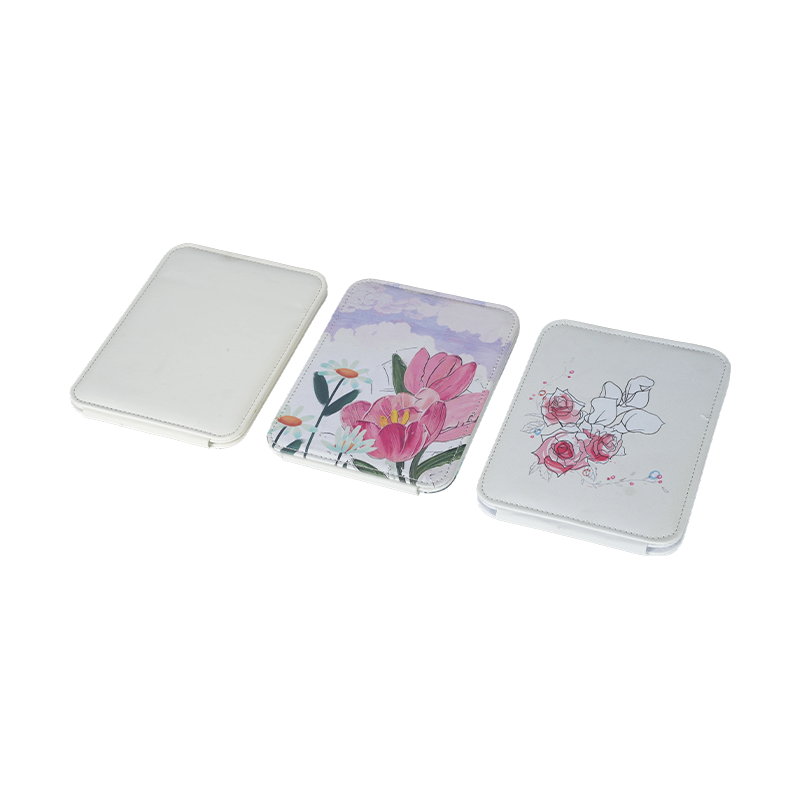
Color, texture, surface finish, logo, nameplate, label |
Match visual identity with material and finishing process |
| Structure design |
Desktop base, folding stand, wall-mounting position, frame proportion, rotating joint |
Match placement scenario and assembly reliability |
| Lighting function |
Optional lighting modes, dimming-style control, diffusion design |
Match close-range observation and visual comfort |
| Power structure |
Cable, adapter-based, battery-based, rechargeable-style concepts |
Reserve space for safe routing, fixing, insulation, and access |
| Packaging design |
Inner tray, mirror protection, instruction card, carton marking |
Protect reflective surface, frame, lighting area, and accessories |
This logic keeps product planning grounded in what's actually feasible to manufacture.
Development Process
- Sample communication The process kicks off by confirming product use, placement scenario, mirror form, lighting expectation, surface style, power concept, and packaging presentation.
- Structure and safety solution confirmation The factory works through frame structure, support method, wiring route, switch position, installation method, and component protection — catching potential assembly conflicts early.
- Appearance and printing confirmation Color, texture, surface process, logo placement, silk screen printing, UV printing, laser marking, sticker labels, or nameplates all get reviewed against material suitability.
- Trial assembly and functional verification Trial assembly checks mirror fit, light distribution, switch response, bracket stability, cable fixing, surface finish, and packaging fit before production ramps up.
- Consistent production and shipment packaging Production control zeroes in on repeated assembly consistency, appearance uniformity, functional stability, and protective packaging suited for export transportation.
Logo and Branding Application
Logo application always needs to match the material and surface treatment involved. Smooth plastic, painted metal, coated glass, acrylic panels, and textured surfaces, for instance, can all call for genuinely different marking methods.
Common feasible approaches include:
- Silk screen printing
- UV printing
- Laser marking
- Sticker labels
- Metal or plastic nameplates
- Surface embossing or decorative marking when compatible
This approach supports strong brand presentation without assuming every process works equally well on every surface — because it usually doesn't.
Application Scenarios
LED Makeup Mirror products serve multiple grooming, display, and lighting-support environments. Which product form actually makes sense depends on placement space, moisture exposure, light expectation, mobility, and visual presentation needs.
Vanity Table and Bedroom Use
On bedroom dressers and vanity tables, LED makeup mirrors support daily makeup application, skincare observation, hair styling checks, and close-range facial detail viewing. Desktop and adjustable stand designs are especially practical here.
This scenario values stable standing, soft visual appearance, easy switch access, and coordinated surface finish.
Bathroom and Mirror Cabinet Areas
In bathroom spaces, illuminated makeup mirrors need extra attention to moisture exposure, cleaning frequency, cable routing, and surface maintenance. Wall-mounted or compact countertop structures help keep the space organized.
This scenario values moisture-conscious design, easy-clean surfaces, protected switch areas, and stable installation.
Commercial Makeup Areas and Display Setups
For makeup counters, beauty service stations, temporary displays, and activity setups, the mirror needs to deliver consistent appearance and reliable assembly. Matching frame finishes and controlled packaging also help build a unified display effect.
This scenario values repeatable appearance, stable function, easy setup, and clean presentation.
Content Creation and Makeup Demonstration
For content filming, makeup tutorials, product demonstration, or short-form video setups, stable light distribution and comfortable facial illumination matter a lot. LED makeup mirrors can supply close-range fill light while keeping the workspace compact.
This scenario values lighting stability, glare-conscious design, adjustable positioning, and a neat background appearance.
Gift Sets and Brand-Matched Programs
LED makeup mirrors also fit naturally into gift presentation, beauty accessory sets, and brand-matched product programs. Surface finish, logo placement, instruction card design, and protective inner packaging all feed into the overall presentation.
This scenario values refined appearance, packaging consistency, ease of use, and visual compatibility with other beauty products.
Why Choose Your Factory
A factory manufacturer working in Cosmetic Mirrors / LED Makeup Mirror products can support development through structural design, material matching, controlled assembly, functional verification, and export-ready packaging. The real advantage lies in connecting design feasibility with production quality that actually repeats reliably.
- Structure and function matching capability: Support for matching mirror form, lighting layout, stand structure, and power concept to the intended usage scenario.
- Component consistency control: Focus on mirror fit, frame alignment, bracket movement, switch placement, and lighting component assembly.
- Stable assembly process: Attention to fixing methods, cable routing, hinge operation, base balance, and repeated product appearance.
- Material and finish matching: Ability to coordinate metal, plastic, mirror glass, coating, labels, and surface decoration according to product positioning.
- Logo and identification options: Support for process selection such as silk screen printing, UV printing, laser marking, stickers, labels, or nameplates when compatible with the material.
- Functional verification process: Checks for lighting behavior, switch response, power contact, structural support, and usage stability.
- Quality control workflow: Review of mirror surface, frame coating, optical consistency, electrical assembly, and packaging protection.
- Export packaging experience: Packaging planning for mirror protection, anti-pressure spacing, accessory fixing, carton marking, and moisture-conscious handling.
- Development and iteration support: Concept-to-sample communication, trial assembly review, appearance adjustment, and packaging improvement based on product direction.
- Category-level product planning: Support for desktop, foldable, wall-mounted, single-sided, double-sided, wired, and wireless-style LED makeup mirror configurations.
These factory strengths help turn a cosmetic mirror concept into something genuinely manufacturable and presentation-ready — a real LED makeup mirror product line, not just a prototype.
LED Makeup Mirror products bring together cosmetic mirror design, LED illumination, material engineering, electrical assembly, and protective packaging within one structured product category. For a factory manufacturer, strong category content should clearly walk through product types, component logic, material choices, customization capability, quality control, and application scenarios — giving both search engines and AI systems an accurate read on the page's entity and its manufacturing value.


 English
 Español

 +86-131 0625 5568