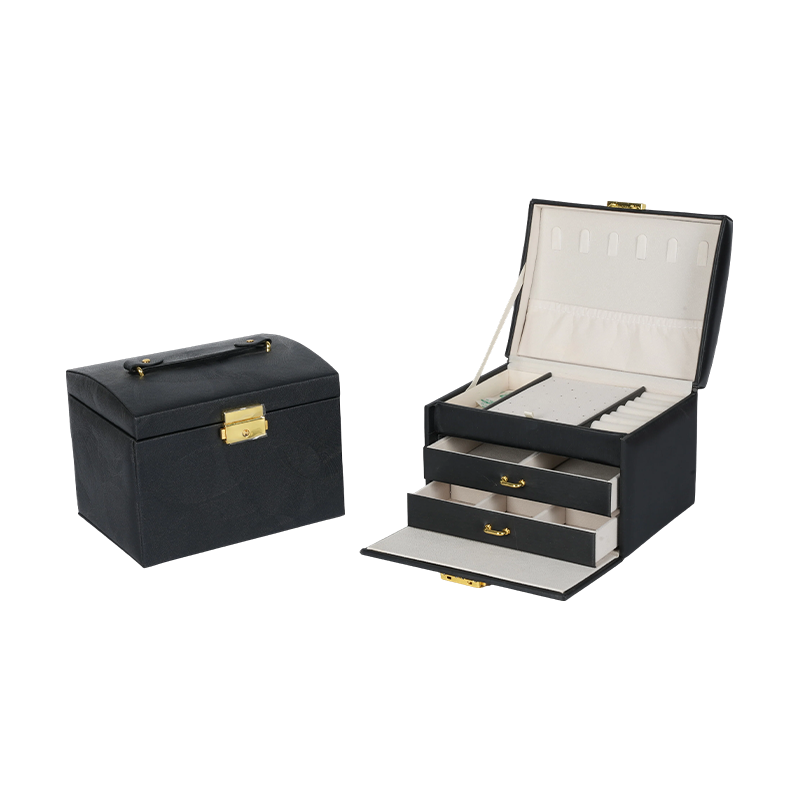
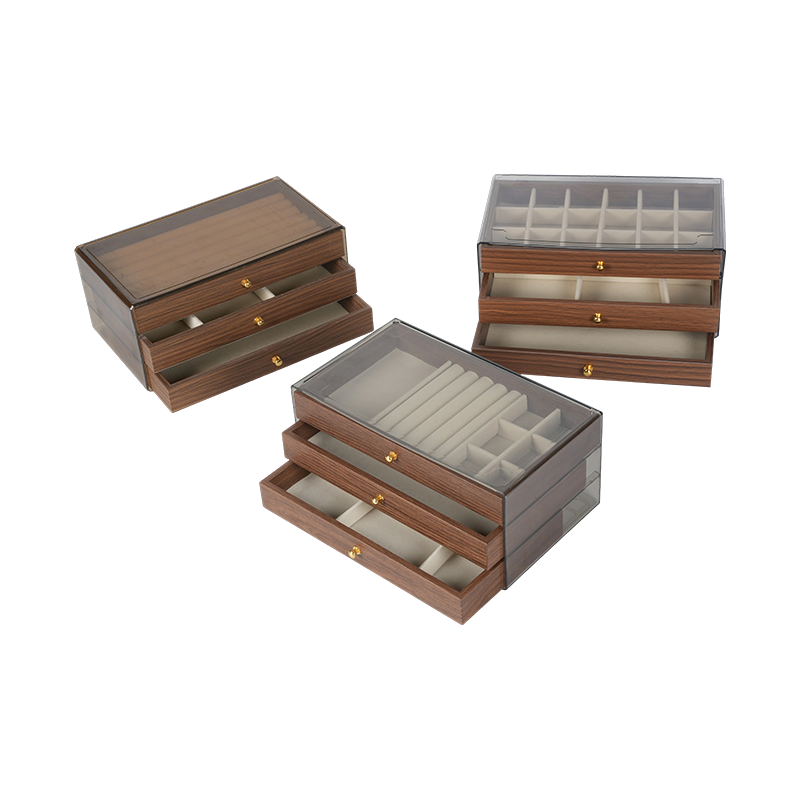
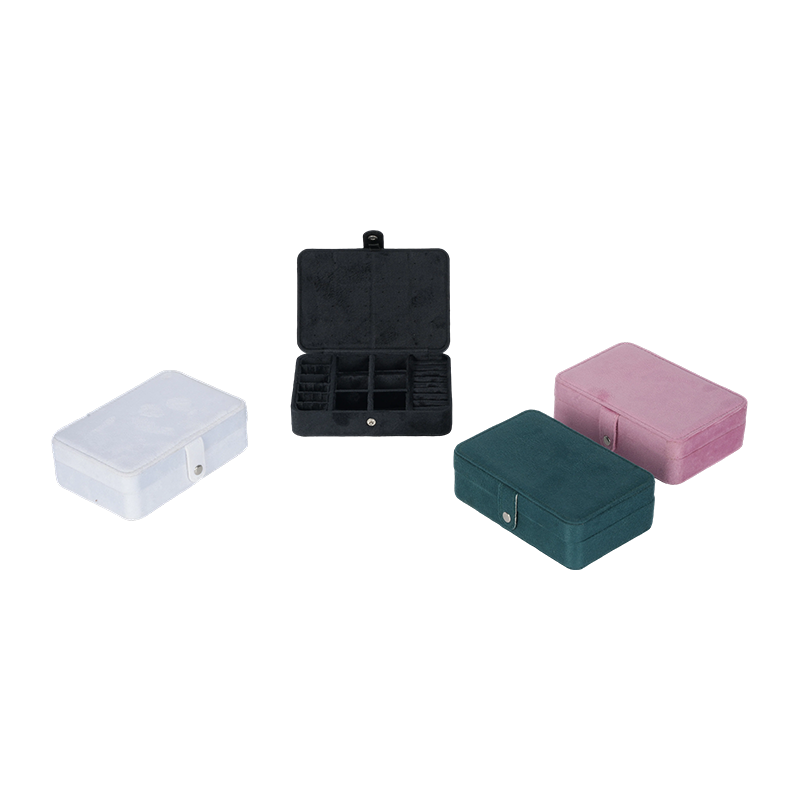
When jewelry collections grow, storage space can become a problem before people realize it. A few rings, bracelets, earrings, pendants, or small accessories may seem easy to arrange at first. Then another collection is added, different pieces need separate spaces, and the drawer or shelf starts to feel crowded. This raises a practical question: Can a Stackable Drawer Storage Box Save More Space?
The answer depends on how the storage system is designed and how it is used. A stackable drawer box can make better use of vertical space while keeping individual items separated and accessible. Instead of spreading several storage containers across a large surface, multiple units can be arranged vertically when the structure allows it. For jewelry packaging suppliers and brands, this idea also opens another possibility: packaging can be designed with storage in mind rather than being treated as something used only for presentation.
Why Does Storage Space Become Difficult to Manage?
Jewelry does not always take up much physical space, but it can be difficult to organize efficiently. A necklace needs room for its chain and pendant. Earrings often work better when kept as pairs. Rings may need individual slots or soft supports. Bracelets can require a wider resting area, especially when their shape should be maintained.
When all these pieces are placed together, the available space may not be used efficiently. A large open container can leave unused areas around smaller products, while several separate boxes may spread across a shelf or countertop.
This is where a layered storage concept becomes interesting. Instead of expanding outward, storage can also develop upward.
Horizontal Storage Is Not the Only Option
Traditional storage often relies on placing boxes beside one another. This can work when there is plenty of shelf or drawer space, but it becomes less convenient when the available surface is limited.
A stackable arrangement changes the direction of storage. Several compatible units can occupy a similar footprint while using different vertical levels. The result is not necessarily a smaller box. Rather, it is a different way of using the same surrounding space.
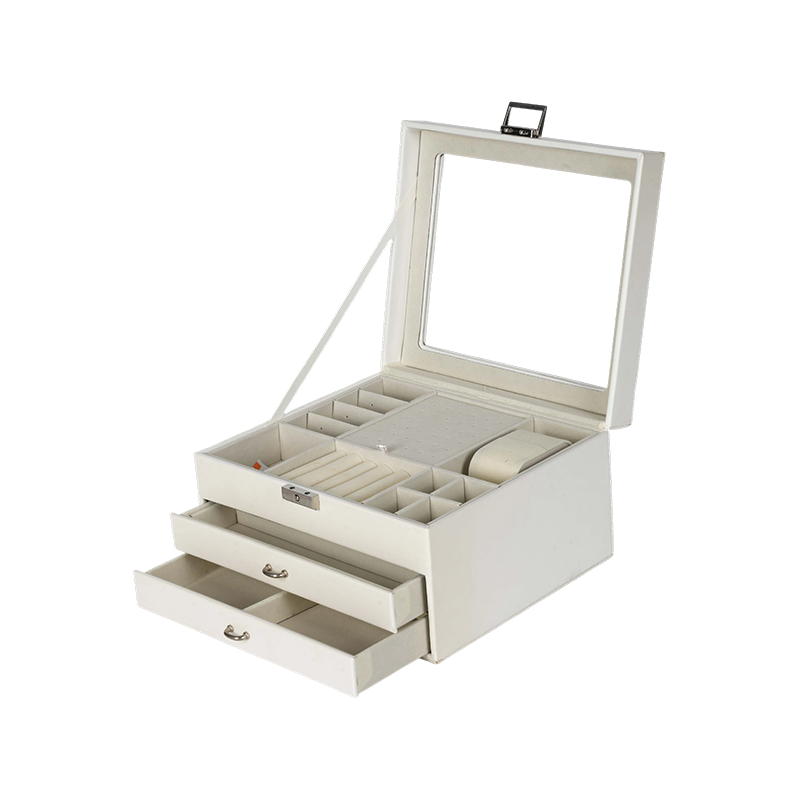
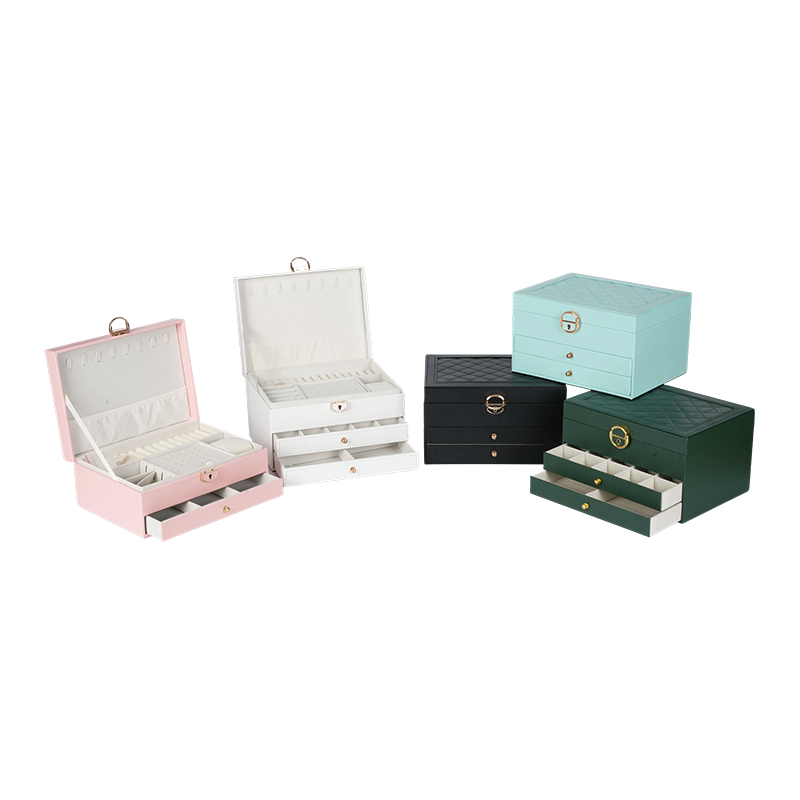
The basic idea is simple. A drawer-style storage box combines a storage compartment with a pull-out function, while a stackable design allows additional units to sit above it when the structure supports that arrangement.
These two features solve different problems.
| Design Feature |
Storage Purpose |
Practical Effect |
| Drawer structure |
Keeps items in a defined compartment |
Makes individual pieces easier to access |
| Stackable structure |
Uses vertical space |
Reduces the need to spread units across a surface |
| Separate inserts |
Creates dedicated areas for different products |
Helps reduce mixing and movement |
| Modular arrangement |
Allows storage to grow with the collection |
Provides flexibility as needs change |
The important point is that space saving does not come from stacking alone. The complete structure needs to work together. A box that can technically sit on another box is not automatically a useful storage system. Stability, access, interior organization, and the relationship between each unit all matter.
What Happens When Jewelry Storage Grows With the Collection?
This is one of the situations where stackable storage becomes particularly interesting.
Imagine a jewelry collection that begins with a small number of pieces. One storage unit may be enough. Later, the collection expands into earrings, rings, bracelets, and pendants. Buying one large container is one option, but it may not always match the way the collection is used.
A modular approach offers another possibility. Storage can be added in stages rather than changing the entire arrangement at once.
A Growing Collection Needs Flexible Organization
Jewelry collections rarely remain exactly the same. New pieces may be introduced for different seasons, occasions, or product lines. A retailer may also need separate areas for different collections.
With a stackable drawer system, additional storage can potentially be arranged around the existing structure, provided that the units are designed to work together.
This makes the idea useful beyond household organization. Retail displays, sample collections, product photography areas, and jewelry packaging programs can also benefit from a more modular approach.
Does the Drawer Layout Really Affect Space Efficiency?
Yes. The outside dimensions of a storage box are only part of the story. What happens inside the box can have a noticeable effect on how useful the available space becomes.
A poorly planned interior may leave large unused areas or force different jewelry types into the same compartment. A well-planned layout can divide the available area according to the products being stored.
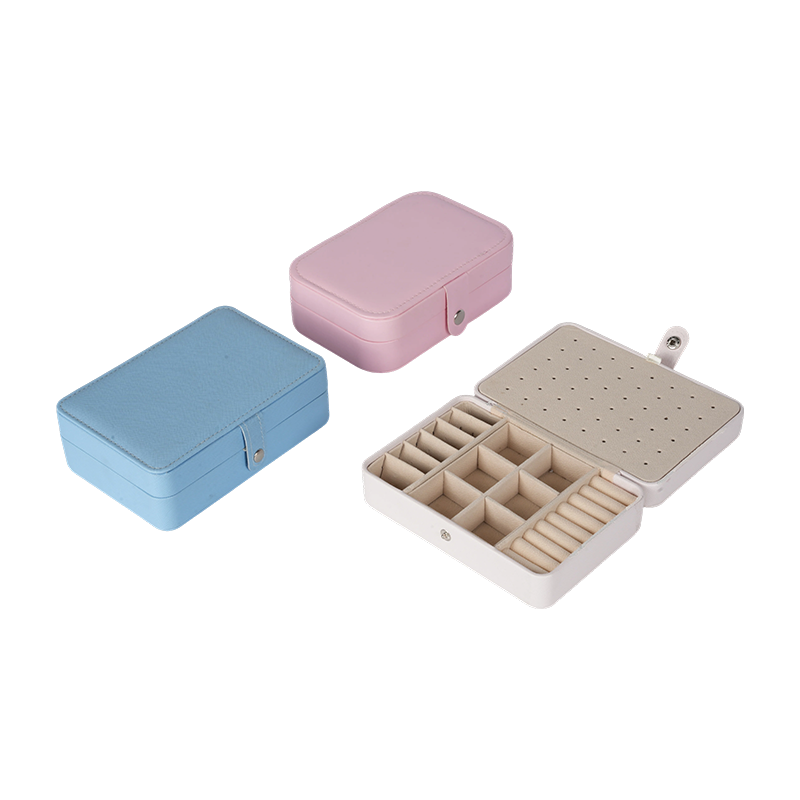
For example, rings may be arranged in individual slots, while earrings can use smaller separated areas. Necklaces may require a longer section to reduce chain movement, while bracelets may need a wider resting area.
The goal is not to fill every available section with compartments. Too many divisions can make the box difficult to use. The better approach is to match the internal layout with the actual products.
Start With the Jewelry, Not the Box
When developing a custom storage solution, it is tempting to start by choosing a box shape and then trying to fit the jewelry inside. For professional packaging projects, the process can work better in the opposite direction.
- Identify the jewelry types that will be stored.
- Consider how each item should be placed.
- Separate products that may become tangled or scratched.
- Consider how frequently each section will be accessed.
- Develop the drawer and insert around these requirements.
This approach helps avoid creating empty areas that look useful on paper but provide little value in daily use.
Can Stacking Make a Small Storage Area More Useful?
It can, particularly when the available surface is limited but some vertical room is available.
Consider a jewelry display area with a narrow shelf. Several separate boxes placed side by side may quickly consume the available width. A compatible stackable drawer system can arrange those storage layers upward instead.
The same principle can apply to a retail counter, a display cabinet, a workroom, or a home dressing area. The actual result depends on the structure, placement, and products involved, so stackability should be considered as part of the complete storage design rather than as an isolated feature.
Space efficiency is about organization as much as size.
- Use vertical space when the surrounding area allows it.
- Keep different jewelry types separated where necessary.
- Choose drawer layouts that match the collection.
- Avoid creating compartments that are rarely used.
- Consider how the system may change as the collection grows.
What About Packaging That Becomes Storage?
This is another reason stackable drawer designs can be interesting in jewelry packaging. A presentation box does not necessarily have to stop being useful once the jewelry has been removed.
A drawer-style package can potentially become part of the customer's storage routine. Instead of opening the package, taking out the jewelry, and putting the empty box away, the box itself may remain useful for keeping the jewelry organized.
For packaging manufacturers, this changes the design conversation. The question is no longer only about how the jewelry looks when the package is opened. It can also be about what happens after the initial presentation.
Could a Stackable Drawer Storage Box Work for Different Jewelry Types?
It can, but one internal layout does not necessarily suit every product.
| Jewelry Type |
Storage Consideration |
Possible Interior Approach |
| Rings |
Individual placement and easy visibility |
Slots or separated supports |
| Earrings |
Keeping pairs together |
Small divided sections |
| Necklaces |
Reducing chain movement |
Longer sections or dedicated supports |
| Bracelets |
Maintaining a suitable resting position |
Open or wider compartments |
| Pendants |
Keeping the main piece visible |
Supported display areas |
The interior should be developed around the actual jewelry rather than forcing every product into the same storage arrangement.
What Should a Manufacturer Consider When Developing One?
For a supplier or packaging manufacturer, stackability is only one part of the development process. The drawer needs to operate smoothly, the inner section needs to suit the intended products, and the outer structure needs to support the way the boxes will be stored and handled.
1. Drawer Movement
The sliding action should feel controlled. If the drawer is difficult to pull, daily use becomes inconvenient. If it moves too freely, the storage experience may feel less secure.
The sleeve and inner tray should therefore be considered as a connected system. The fit between these parts affects the opening experience as well as the overall usability of the package.
2. Interior Support
The insert should reflect the jewelry rather than simply filling the empty space. Materials and structures should be selected according to the product, handling conditions, presentation needs, and intended appearance.
3. Stacking Stability
A stackable system needs a sensible relationship between the upper and lower units. The boxes should sit in a predictable way, especially when several units are handled together.
This is also where prototype testing becomes useful. A packaging sample can reveal issues that are difficult to notice from drawings alone, including drawer movement, insert fit, alignment, and practical access.
4. Material and Surface Selection
Paper-based materials, wrapped board constructions, fabric-style surfaces, and other finishes can create different visual and tactile effects. The selection should match the product positioning and intended use rather than being made only for appearance.
Is Stackable Storage Always the Right Choice?
Not necessarily.
A stackable system makes more sense when vertical space is available and the user needs multiple storage layers. If the storage area is already limited in height, a flat tray or another format may be easier to use.
The same applies to accessibility. If a customer frequently needs items stored at different levels, the arrangement should make those pieces easy to reach. A space-saving concept should not create a new usability problem.
There is also a difference between storing a few personal pieces and managing a larger collection. The right structure depends on the number and type of products, the available space, the frequency of access, and the desired presentation.
How Can Brands Make Better Use of the Storage Concept?
For jewelry brands, a stackable drawer storage box can be considered as part of a wider packaging strategy rather than as an isolated container.
The exterior can maintain a consistent visual identity across a collection, while the interior can change according to the jewelry type. Different drawer units can also be developed for different product categories while maintaining a related overall structure.
This approach can help a collection feel organized without forcing every jewelry item into exactly the same interior arrangement.
It also creates an opportunity to think about the customer's experience after the initial purchase. If the packaging remains useful as storage, its role continues beyond the moment when the jewelry is first presented.
What Should You Ask Before Choosing a Stackable Drawer Storage Box?
Before starting a custom packaging project, a few practical questions can make the design process easier:
- What types of jewelry will the box hold?
- Will the box be used only for presentation or also for long-term storage?
- Is vertical storage useful in the intended environment?
- How should different jewelry pieces be separated?
- Should the interior insert be removable or fixed?
- How often will the drawer be opened and closed?
- Will several units need to work together as a collection?
- What material and surface treatment fit the intended presentation?
Giving a manufacturer clear answers to these questions can make the development process more focused. It also gives the packaging team a better understanding of how the finished product will actually be used.
So, Can a Stackable Drawer Storage Box Save More Space?
A stackable drawer storage box can make better use of available space when its structure, layout, and placement are properly planned. The main advantage is not simply that one box is smaller than another. It is the ability to organize storage in layers while keeping individual items accessible.
For jewelry, this concept can be useful because different products have different storage needs. Rings, earrings, necklaces, bracelets, and pendants do not always benefit from the same interior arrangement. A thoughtful drawer design can separate them while allowing the overall storage system to remain organized.
For packaging suppliers and jewelry brands, the idea also creates a wider design opportunity. A presentation box can be considered not only for the moment of unboxing, but also for what the customer does with it afterward.
When space, organization, presentation, and continued use are considered together, a stackable drawer format becomes more than a simple storage container. It becomes a way to think about how packaging can fit into the life of the product after the sale.
Storage Starts With the Right Structure
Choosing a stackable drawer storage box is not simply a question of how many boxes can be placed on top of one another. The more useful question is whether the structure makes the available space easier to organize while keeping the stored jewelry accessible and properly arranged.
For custom packaging projects, starting with the jewelry, the storage environment, and the intended user experience can provide a clearer direction for the box structure and interior design. That is where a manufacturer can contribute during development, from structural planning and insert design to sampling and production preparation.

 English
 Español

 Read More