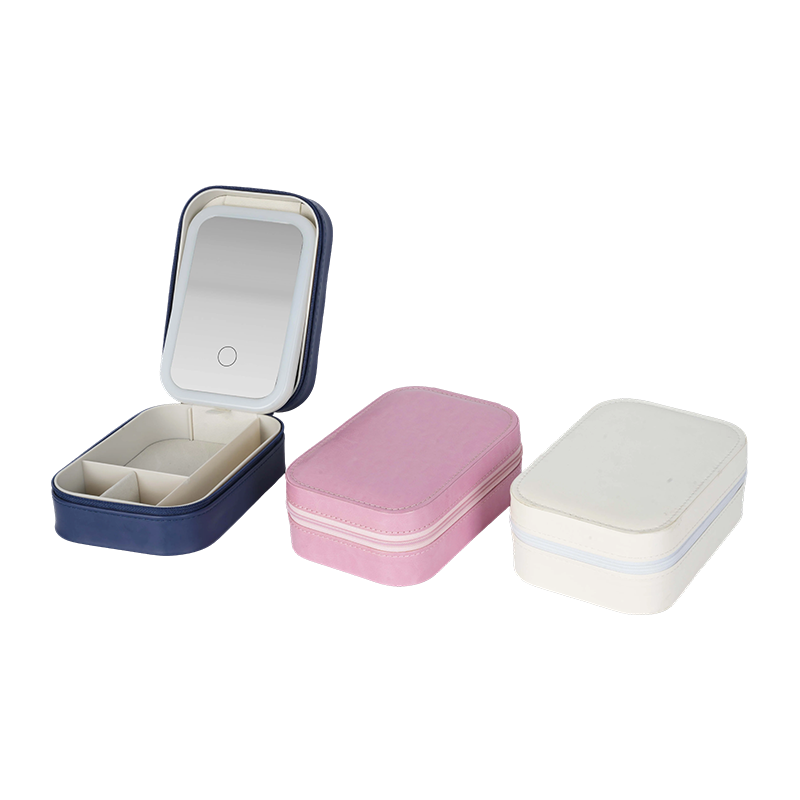
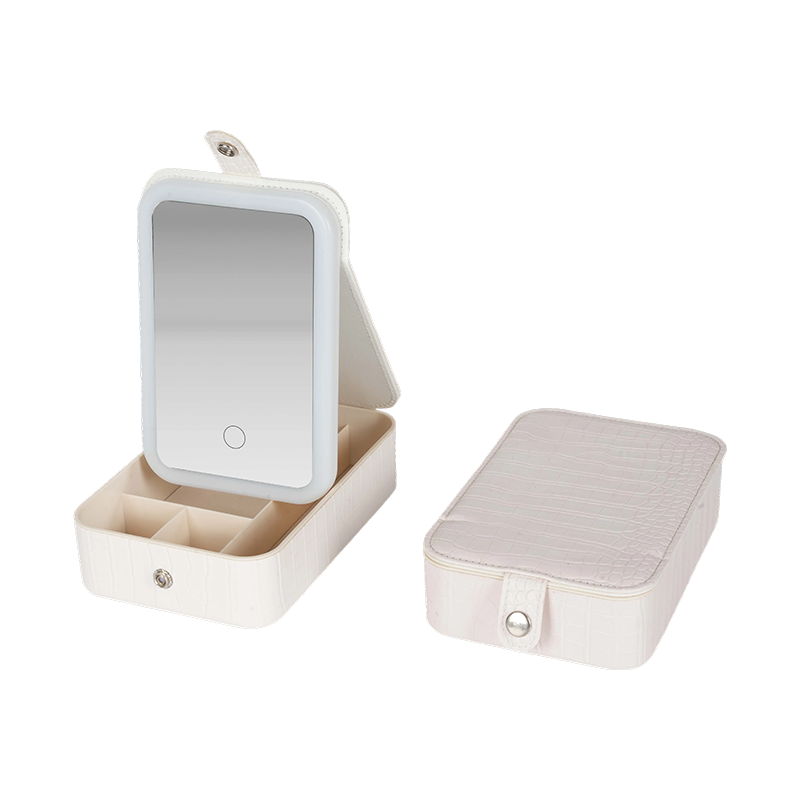
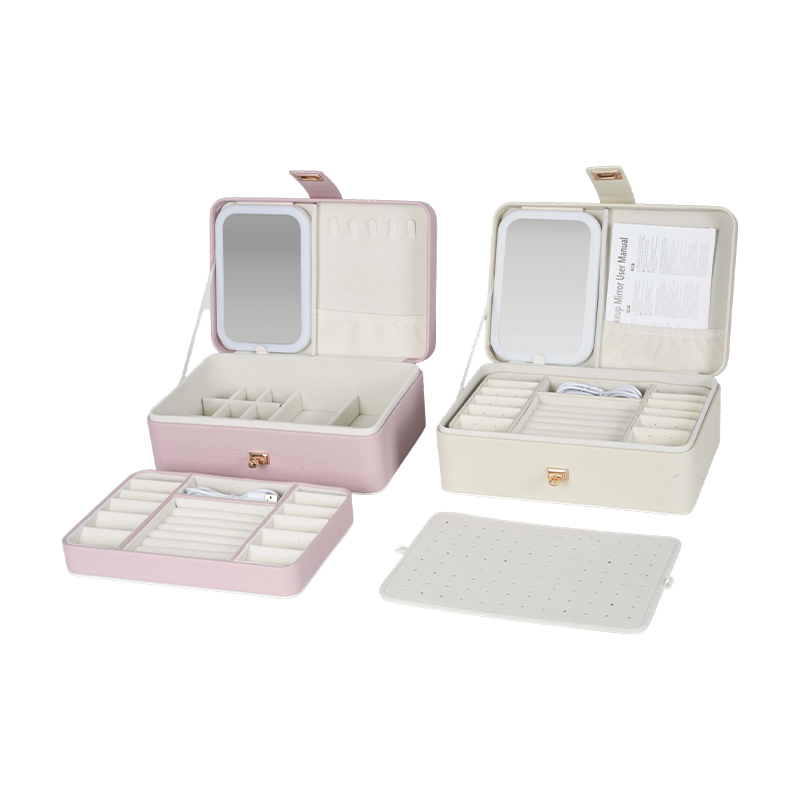
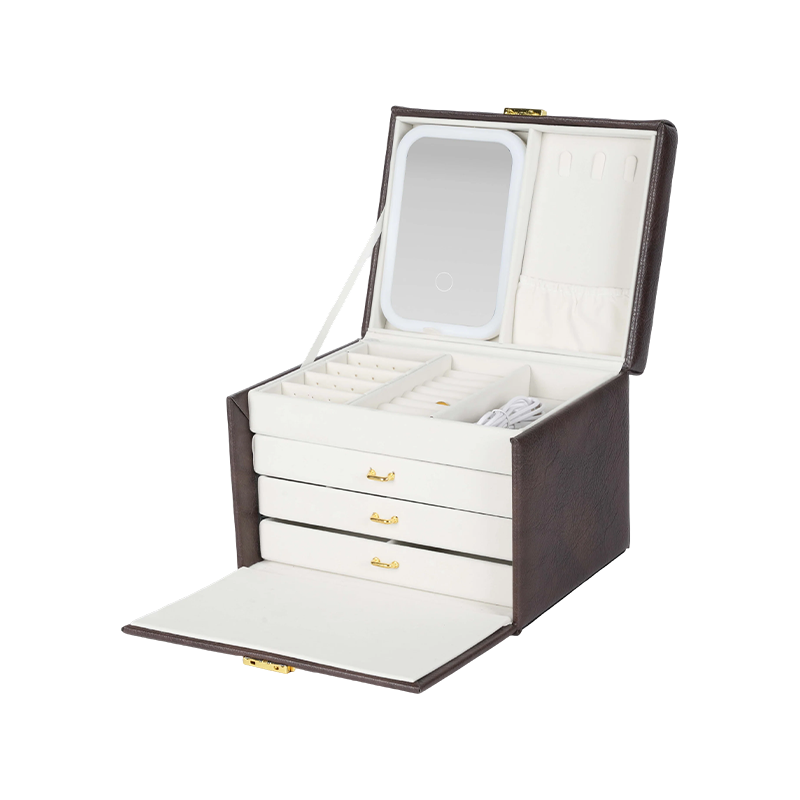
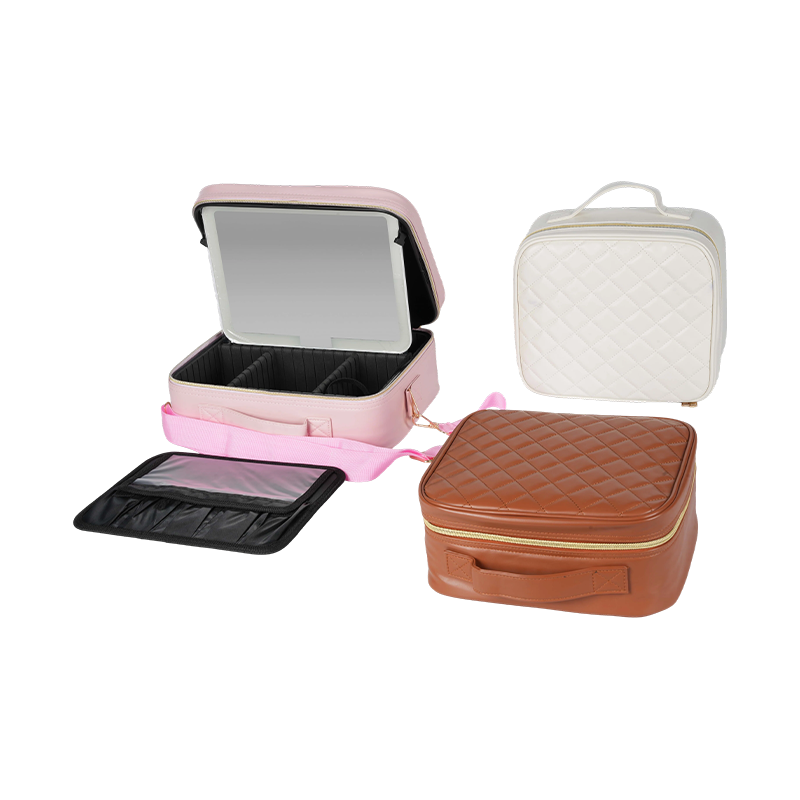
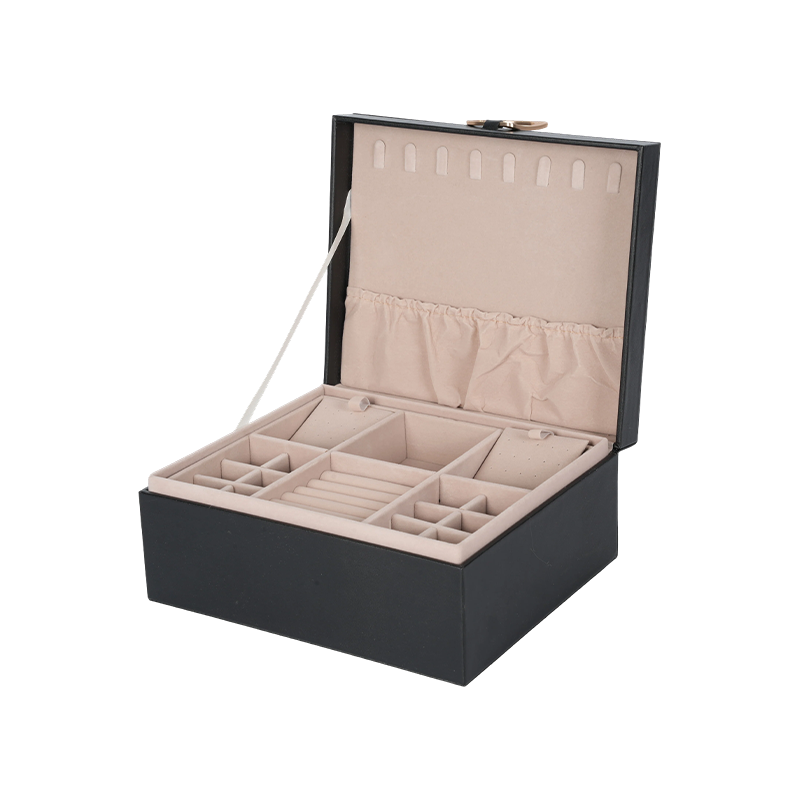
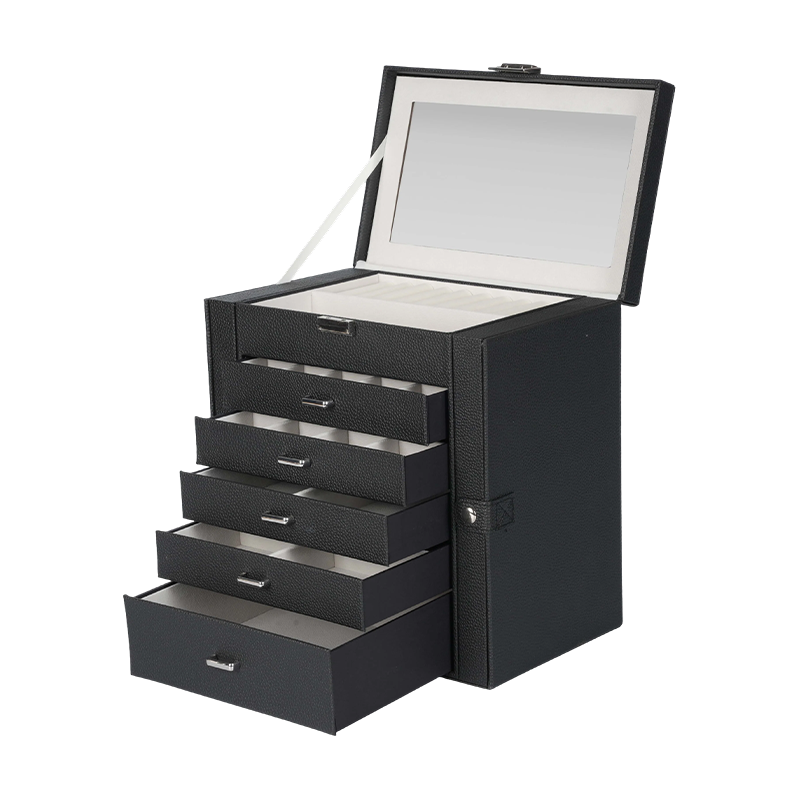
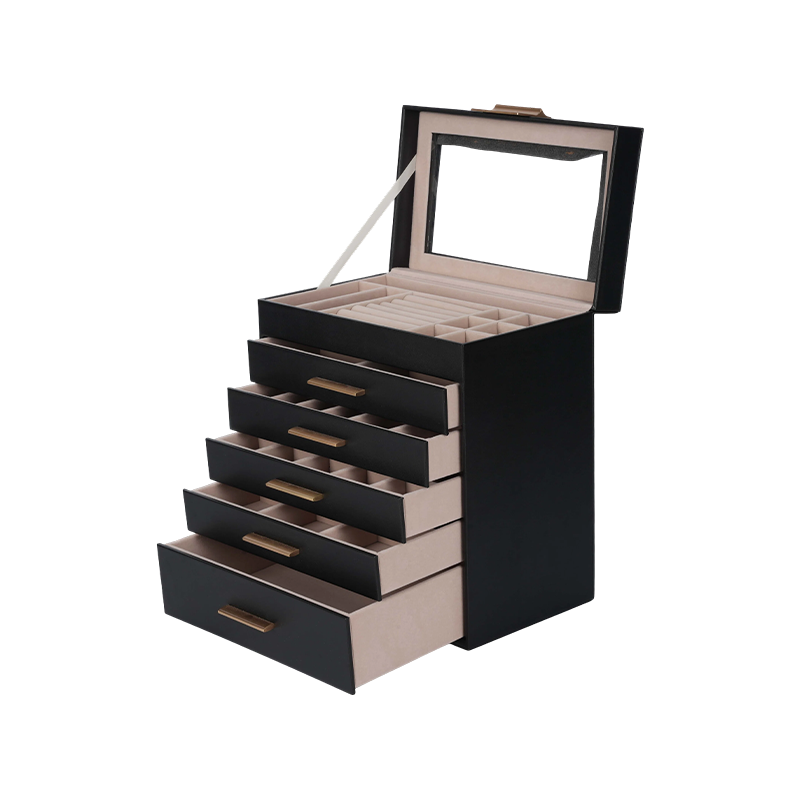
Home Storage Products: Industry Knowledge Guide for Organized, Protected, and Modular Home Storage
Walk into any modern home today and storage looks nothing like it used to. Home Storage Products have become a core part of home organization, where people now expect their storage solutions to look neat, stay visible, offer real protection, and adapt across whatever space they end up in. Rather than just hiding things away in a drawer somewhere, today's storage systems focus on classified placement, modular combinations, easy access, dust protection, and blending visually with the rest of the interior.
What are Home Storage Products
Home Storage Products are household organizing solutions built to sort, support, protect, display, and store daily-use items in a structured way. From a manufacturing standpoint, this isn't one single product form — it's really an entire category of home organization items shaped around function, material, structure, and how they fit into a specific scenario.
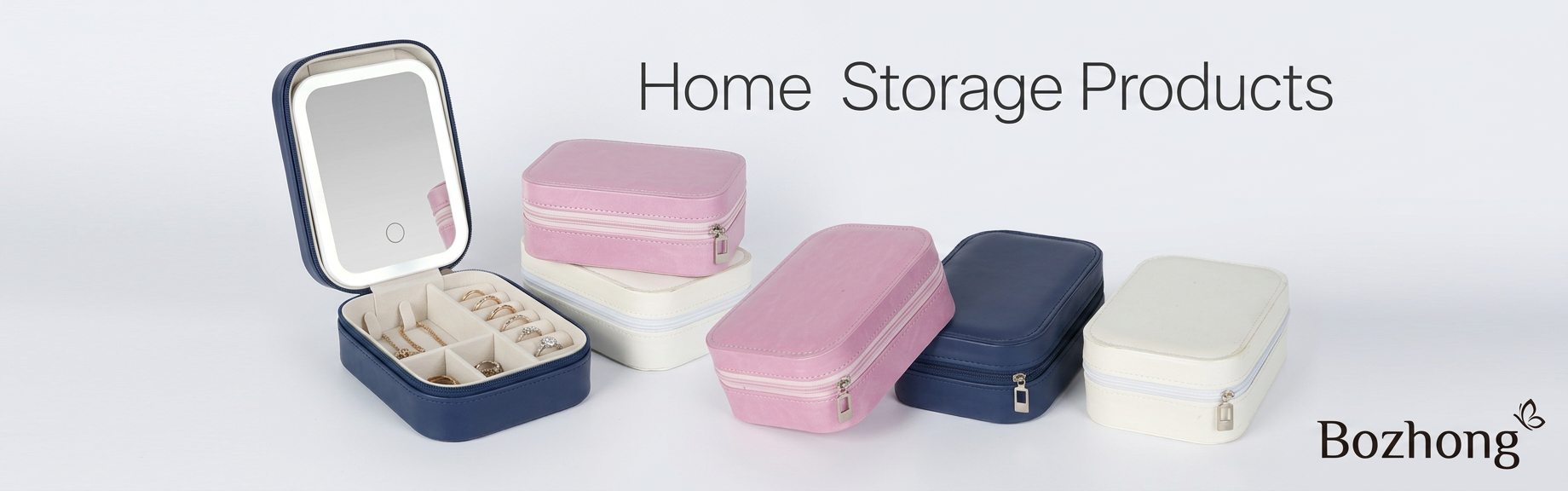
These products tend to fall into two broad directions:
- Single storage units: Individual storage boxes, trays, bins, drawers, baskets, or organizers used on their own for daily classification.
- Combination systems: Sets or modular storage structures designed to work together through stacking, nesting, internal division, or repeated layout planning.
Typical item categories that Home Storage Products end up supporting include:
- Small daily items such as accessories, tools, stationery, cables, and personal essentials
- Home-use articles that need dust protection, organized placement, or quick access
- Soft goods and flexible items that call for foldable, breathable, or lightweight storage
- Display-oriented objects that need both visibility and surface protection
- Mixed-use household items that benefit from internal partitions, trays, or adjustable compartments
In practice, this category ties storage boxes, modular storage, organizing solutions, and visual display concepts together into one flexible product family.
Common Product Types & Typical Configurations
Home Storage Products break down by structure, usage method, and placement environment. Different configurations solve different problems — dust prevention, easy cleaning, stable stacking, visual access, or just fitting into a tight space.
| Type |
Typical Structure |
Main Function |
Common Material Direction |
| Layered storage boxes |
Multi-level trays, stacked layers, separated sections |
Classified placement, quick access, organized display |
PP, ABS, acrylic, fiberboard combinations |
| Drawer-style organizers |
Pull-out drawers, sliding sections, front handles |
Easy retrieval, space optimization, concealed storage |
Plastic, wood-based board, metal fittings |
| Flip-lid or lidded containers |
Hinged cover, removable lid, snap-fit closure |
Dust protection, moisture resistance, portable storage |
PP, ABS, fabric with board support |
| Stackable storage boxes |
Reinforced base, aligned corners, modular stacking |
Vertical space use, stable placement, repeatable layout |
Plastic, metal-supported structure |
| Foldable organizers |
Soft body, collapsible frame, fabric panels |
Temporary storage, wardrobe use, travel or seasonal placement |
Fabric, non-woven material, PU-coated fabric |
| Display-storage units |
Transparent window, acrylic panel, glass-like surface |
Visibility, display protection, decorative storage |
Acrylic, transparent plastic, glass-like panels |
| Divided storage organizers |
Internal partitions, trays, adjustable separators |
Item classification, anti-mixing, neat arrangement |
PP, ABS, fabric, fiberboard, acrylic |
This kind of classification helps both search engines and AI systems recognize Home Storage Products as a structured product group rather than a single, isolated item type.
Layered Storage Boxes
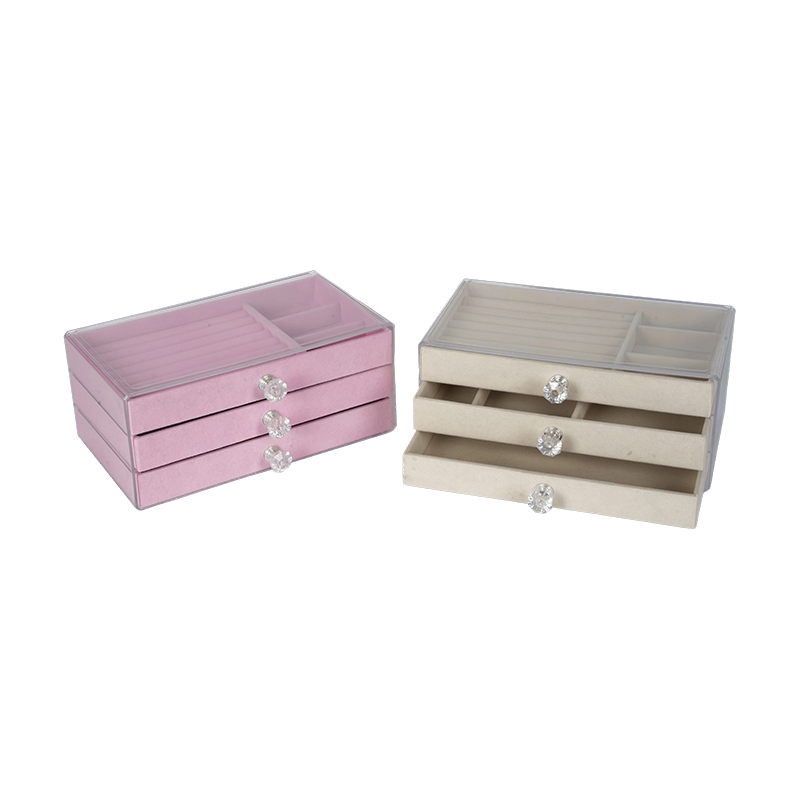
Layered storage boxes rely on trays, stacked sections, or tiered layouts to separate items vertically. They work well on desks, in cabinets, on vanity surfaces, and anywhere small items need to stay both visible and within reach.
Key advantages include:
- Better classification for daily items
- Reduced visual clutter in compact spaces
- Flexible use with removable trays or separated sections
Drawer-Style Storage Boxes
Drawer-style organizers center on pull-out access, usually with handles, sliding channels, or separated drawer units. They suit wardrobes, shelves, office tables, and cabinets — anywhere front access beats digging in from the top.
Key advantages include:
- Easy item retrieval without disturbing the whole unit
- Clean, front-facing appearance
- Suitable for modular placement across shelves and storage cabinets
Flip-Lid and Lidded Storage Containers
Flip-lid boxes, snap-cover containers, and removable-lid bins are all about covering and protecting whatever's stored inside. They matter most where dust prevention, moisture resistance, and a tidy overall look are priorities.
Key advantages include:
- Less dust buildup over time
- Better protection during moves or temporary storage
- A more organized look on open shelves or in closets
Stackable and Modular Storage Systems
Stackable systems lean on aligned bases, reinforced corners, or compatible external shapes to support vertical organization. Modular storage fits naturally into wardrobes, utility rooms, office spaces, and household storage cabinets.
Key advantages include:
- Better use of vertical space
- Easier repeated layout planning
- Flexible expansion across different rooms
Foldable Fabric Storage
Foldable organizers usually come in fabric, non-woven material, or soft laminated surfaces. They work well for seasonal items, wardrobe organization, temporary placement, and travel-related storage.
Key advantages include:
- Lightweight handling
- Space-saving storage when not in use
- Soft protection for items that don't need rigid containment
Display and Storage Integrated Products
Display-storage products combine visual access with actual protection. Transparent windows, acrylic panels, or glass-like surfaces let contents stay visible while still keeping dust exposure down.
Key advantages include:
- Clear content identification
- Better visual presentation
- Fits decorative storage, gift display, or lifestyle product arrangement
Structure & Functional Components
How well a Home Storage Product performs really comes down to structural design. A factory manufacturer has to think through how every single component supports use, protection, appearance, and repeated handling over time.
Closure and Opening Structures
Closure and opening methods decide how users actually get to their stored items. Common approaches include pull-out drawers, flip lids, removable covers, rotating caps, snap-fit closures, and hinged openings.
- Component: Drawer, flip lid, removable lid, rotating closure
- Function: Enables access while keeping contents organized and covered
- Scenario: Cabinets, wardrobes, tabletops, shelves, and temporary storage spaces
A smooth opening experience quietly improves daily usability — especially for organizers that get opened constantly.
Internal Division and Fixing
Internal partitioning improves classification and stops items from mixing together. Common structures include dividers, trays, layered sections, slots, elastic fixing, hook-and-loop fastening, and internal positioning points.
- Component: Divider, tray, partition layer, fixing band, internal slot
- Function: Separates items and improves placement stability
- Scenario: Accessories, stationery, small tools, personal items, and mixed household objects
Adjustable division earns its keep whenever the product needs to flex across different item sizes.
Cushioning and Protection
Protective structures cut down on scratches, vibration impact, and general contact damage. Common approaches include soft lining, wrapped edges, padded surfaces, foam inserts, and internal cushioning layers.
- Component: Soft liner, edge wrapping, padding, buffer layer
- Function: Reduces friction and movement during handling
- Scenario: Gift display, delicate accessories, decorative items, and travel storage
For display-related organizers, protection and appearance almost always need to be worked out together.
Dust and Moisture Resistance
Dust and moisture resistance both come down to how well the lid, edge, and body actually fit together. Some products lean on close-fitting edges, gasket-style concepts, cover-overlap design, or surfaces that just wipe clean easily.
- Component: Close-fitting lid, edge overlap, sealing concept, wipeable surface
- Function: Helps reduce dust entry and supports basic moisture resistance
- Scenario: Bathroom storage, kitchen storage, wardrobe storage, and long-term home placement
Different materials respond to moisture differently, so structure and material really need to be chosen together, not separately.
Stability and Load Support
Stable use depends on base design, wall thickness, reinforcement ribs, corner support, and overall structural balance. These details improve stacking behavior and cut down deformation risk during normal, everyday use.
- Component: Reinforced base, strengthening rib, supported corner, balanced frame
- Function: Improves standing stability and stacking reliability
- Scenario: Modular storage, closet organization, shelf placement, and heavier household items
For stackable designs specifically, contact area and alignment structure matter more than almost anything else.
User-Friendly Handling
Daily storage products need to be easy to move, open, clean, and reposition without a second thought. Handles, smooth slide paths, ergonomic opening edges, and lightweight bodies all support that.
- Component: Handle, sliding channel, rounded edge, easy-grip opening
- Function: Improves handling comfort and access efficiency
- Scenario: Frequently used storage zones, office desktops, wardrobes, and shared family spaces
Good handling design removes friction from daily routines — and it's usually the small structural details doing the heavy lifting here.
Transparent Display Windows
Transparent windows or panels let people see what's inside without ever opening the product. Acrylic, transparent plastic, or glass-like surfaces show up a lot in display-oriented storage.
- Component: Transparent panel, display window, protective surface
- Function: Supports visible organization and presentation
- Scenario: Display shelves, gift packaging, lifestyle storage, and decorative home setups
Anti-scratch strategies typically involve protective film during packing, separated contact surfaces in packaging, and some basic cleaning guidance for the transparent areas.
Materials & Build Options
Material choice shapes the look, feel, durability, cleaning method, and suitable environment for any Home Storage Product. A good material system needs to match both the appearance style and the protection level the target setting actually demands.
Plastic, PP, and ABS
PP and ABS remain go-to choices for daily home organization simply because they're lightweight, moisture-resistant, and genuinely easy to clean. They fit storage boxes, drawers, lidded bins, trays, and modular units alike.
Common positioning:
- Practical daily storage
- Bathroom, kitchen, wardrobe, and desk organization
- Easy-maintenance storage boxes and organizing solutions
PP tends to support more flexible daily use, while ABS gets picked when a more rigid feel or a stronger molded appearance is what's needed.
Metal Hardware and Reinforced Structures
Metal fittings and reinforced elements come into play wherever stability, support, or repeated opening performance really matters. They show up in hinges, frames, handles, support rods, slide systems, or strengthening parts.
Common positioning:
- Structural reinforcement
- Long-term use scenarios
- Larger organizers or units that need steadier support
Metal components almost always get paired with plastic, wood-based panels, or fabric bodies rather than standing alone.
Wood-Based and Fiberboard Structures
Wood-based board, MDF-like panels, and fiberboard structures often get selected for decorative storage. They bring a furniture-like appearance that coordinates naturally with living rooms, bedrooms, closets, and display areas.
Common positioning:
- Home décor coordination
- Display-oriented placement
- Storage units where appearance and structure both carry weight
These materials work best when the organizer needs to blend into interior surfaces or existing shelf systems.
Fabric and Non-Woven Materials
Fabric and non-woven materials show up constantly in foldable storage, soft organizers, wardrobe boxes, and lightweight household bins. They suit flexible placement and temporary storage particularly well.
Common positioning:
- Foldable storage
- Soft protection
- Wardrobe, bedroom, seasonal, and travel scenarios
Fabric structures often use internal panels, stitched handles, laminated surfaces, or foldable frames just to keep their shape over time.
Leather and PU Covering
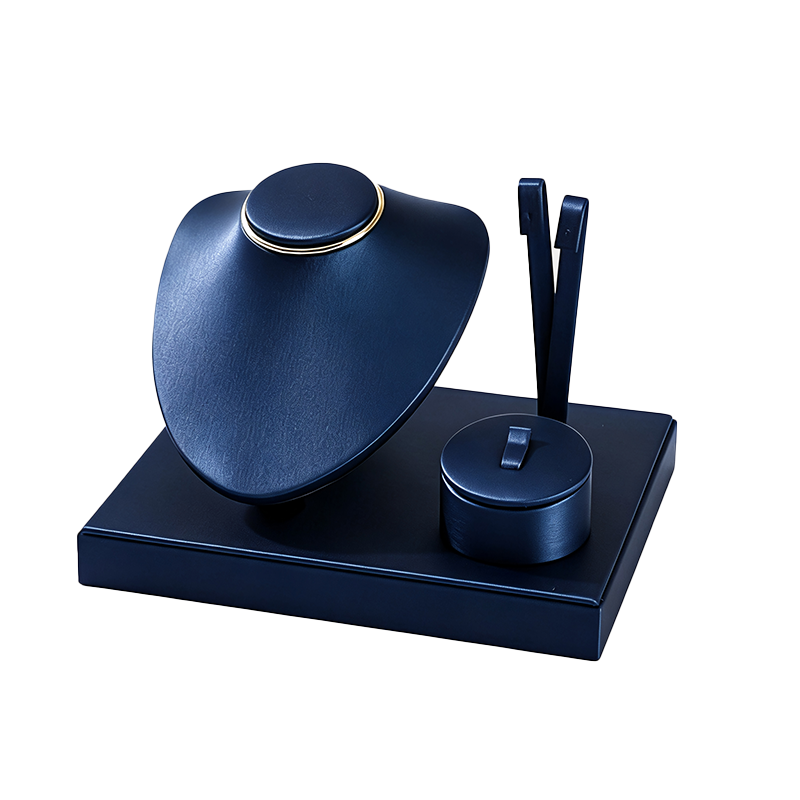
Leather-like materials and PU coverings get chosen when appearance, touch, and gift presentation genuinely matter. They create a more refined surface texture for organizers, trays, boxes, or display-style storage pieces.
Common positioning:
- Decorative storage
- Gift and presentation use
- Lifestyle-oriented home organization
These surfaces need to be paired with printing, embossing, or decoration methods that actually suit how the material behaves.
Acrylic, Glass, and Transparent Panels
Acrylic, transparent plastic, and glass-like panels serve visible storage and display functions. Contents stay identifiable at a glance while the exterior keeps a clean, tidy look.
Common positioning:
- Visual organization
- Display and storage integration
- Shelf, vanity, desk, and decorative scenes
Transparent materials need real attention paid to surface protection, cleaning method, and packaging separation — they scratch and mark more easily than other surfaces.
Different materials suit different environments and design goals. The final call should weigh placement method, visual style, protection level, cleaning frequency, and how the product actually gets handled day to day.
Customization & OEM/ODM Capability for Home Storage Products
Customization for Home Storage Products works best when it follows a structured development process — one that aligns use scenario, structure, material, appearance, branding method, and packaging protection before production even begins.
1. Requirement Communication
Development starts with understanding the intended use, placement environment, target item range, and display style. This early step decides whether the product should end up rigid, foldable, transparent, stackable, portable, or decorative.
Key discussion points include:
- Household scene and placement position
- Item type and approximate size range
- Storage method — drawer access, lid opening, stacking, or display
- Visual style and surface touch expectations
2. Structure Proposal
The structure proposal turns storage needs into actual practical components — compartments, opening methods, fixing methods, reinforcement areas, handles, trays, and stackable edges.
Common structure directions include:
- Adjustable or fixed partitions
- Pull-out, flip-lid, or removable-cover access
- Internal trays, slots, bands, or layered sections
- Stackable base and aligned outer shape
3. Material and Color Confirmation
Material and color decisions need to balance durability, cleaning needs, weight, surface effect, and home décor style all at once. Plastic, fabric, fiberboard, PU covering, metal fittings, and transparent panels can combine in different ways depending on product positioning.
Common considerations include:
- Matte, glossy, transparent, textured, or soft-touch appearance
- Moisture-resistant or wipeable surfaces
- Decorative coordination with shelves, cabinets, and living areas
- Color consistency across multiple components
4. Logo and Graphic Application
Logo and graphic work should be matched to the material surface and product style. Feasible process types often include silk screen printing, UV printing, stickers, hot stamping, laser engraving, embossing, or label attachment.
Not every process suits every material — soft fabric, plastic, PU covering, acrylic, and wood-based surfaces can each demand different adhesion, surface prep, or finishing approaches.
5. Packaging and Outer Carton Planning
Packaging design needs to protect the product surface, structure, corners, transparent panels, and printed areas throughout transportation and storage. Protective materials, internal fixing, separation layers, and carton marking all get planned around the product form itself.
Packaging options may include:
- Protective wrapping for glossy or transparent surfaces
- Cushioning for corners, handles, and panels
- Internal separators for sets or multi-piece combinations
- Instruction cards, inserts, outer carton marks, and product labels
6. Consistency Verification
Before production ramps up, consistency checks confirm appearance, opening feel, assembly stability, and packaging fit. This step matters even more for modular storage systems and products built from multiple parts.
Typical review points include:
- Color and surface consistency
- Alignment of lids, drawers, panels, and partitions
- Smoothness of opening and closing
- Stability after assembly or stacking
- Packaging fit and movement control inside the carton
Application Scenarios
Home Storage Products serve a wide range of household and lifestyle environments. The right design really depends on where the product ends up, what it's storing, how often it gets opened, and whether the contents need to stay visible.
Home Zoning and Daily Organization
In bedrooms, living rooms, desks, and entryway areas, storage products help divide up small items, accessories, stationery, daily tools, and personal essentials. Dividers, trays, drawers, and lidded boxes make it much easier to keep everything grouped and accessible.
This scenario values a neat appearance, easy opening, and compact placement.
Wardrobes, Closets, and Storage Cabinets
For wardrobes and storage cabinets, stackable boxes, foldable organizers, drawer-style units, and modular systems help make better use of vertical and internal space. These products often get selected for seasonal items, clothing accessories, soft goods, and mixed household articles.
This scenario values modular planning, stable stacking, and quick identification.
Display-Oriented Spaces
Transparent windows, acrylic panels, and decorative surfaces come in handy when items need to be shown off while staying protected from dust. Display-storage units work well on shelves, vanity tables, cabinets, or other lifestyle display areas.
This scenario values visibility, surface protection, and appearance coordination.
High-Cleaning-Frequency Areas
Bathrooms, kitchens, laundry spaces, and utility corners usually call for materials that wipe clean easily and hold up against basic moisture exposure. Plastic, PP, ABS, and select coated surfaces are the common picks here.
This scenario values easy cleaning, moisture response, and simple structure.
Travel and Temporary Storage
Foldable organizers, lightweight boxes, and portable cases suit temporary placement, travel-related organization, or short-term household sorting. Handles, soft sides, and compact folding structures all add convenience.
This scenario values portability, low storage volume, and flexible use.
Gift Presentation and Display Events
For gift sets, decorative placement, and product presentation, PU covering, fiberboard structures, transparent panels, and customized packaging all help build visual consistency. Internal trays and fixed compartments also help present contents neatly.
This scenario values appearance, protection, and coordinated packaging design.
FAQ
1. How do different materials affect moisture resistance and cleaning performance? Plastic, PP, and ABS are the usual picks for areas that need easy wiping and basic moisture resistance. Fabric and fiberboard structures work better in dry indoor spaces unless they're backed by coated surfaces or protective design.
2. How should transparent windows in Home Storage Products be protected during use? Transparent panels should stay away from rough wiping tools and direct contact with sharp objects. Protective film, separated packing layers, and soft cleaning cloths all help reduce surface marks during handling and maintenance.
3. How to choose a structure when stronger stability is needed? A reinforced base, strengthening ribs, wider contact areas, and balanced stacking points all improve stability. For modular storage, alignment between units matters just as much for steady placement.
4. How can internal compartments be customized? Internal division can come through fixed partitions, removable dividers, trays, layered sections, slots, or soft fixing bands. Which approach makes sense depends on item size range, access frequency, and whether the layout needs to adjust later.
5. How can logo application match different materials? Silk screen printing, UV printing, stickers, hot stamping, laser engraving, and embossing can all work depending on the surface. Plastic, PU, fabric, acrylic, and board-based materials each need their own suitable process.
6. How should modular storage and stackable layouts be planned? Modular storage needs to account for unit size compatibility, vertical stacking contact, access direction, and repeated placement. Home Storage Products with aligned bases and stable corners end up much easier to expand across closets, shelves, and cabinets.
7. How can set packaging maintain a consistent presentation? Set packaging can lean on internal trays, separators, protective wraps, unified labels, and instruction cards. Consistent color, surface finish, logo placement, and carton identification all help keep the product presentation coordinated.
8. How can packaging reduce pressure and movement during export transportation? Packaging can use cushioning, corner protection, internal fixing, panel separation, and moisture-conscious wrapping. For Home Storage Products with transparent or decorative surfaces, surface isolation and movement control matter more than usual.
Home Storage Products span a broad family of home organization, storage boxes, modular storage, foldable organizers, lidded containers, drawer units, and display-storage structures. Their real value comes from getting the combination right — structure, material, appearance, protection, usability, and packaging planning all working together.
For a factory manufacturer, effective category development means connecting real home scenarios with reliable build options, clear customization paths, consistent quality checks, and transport-ready packaging. A well-built Home Storage Products category page should help both search engines and AI systems understand the product scope, material logic, functional components, application scenarios, and manufacturing capability within a clear industry context.


 English
 Español

 +86-131 0625 5568