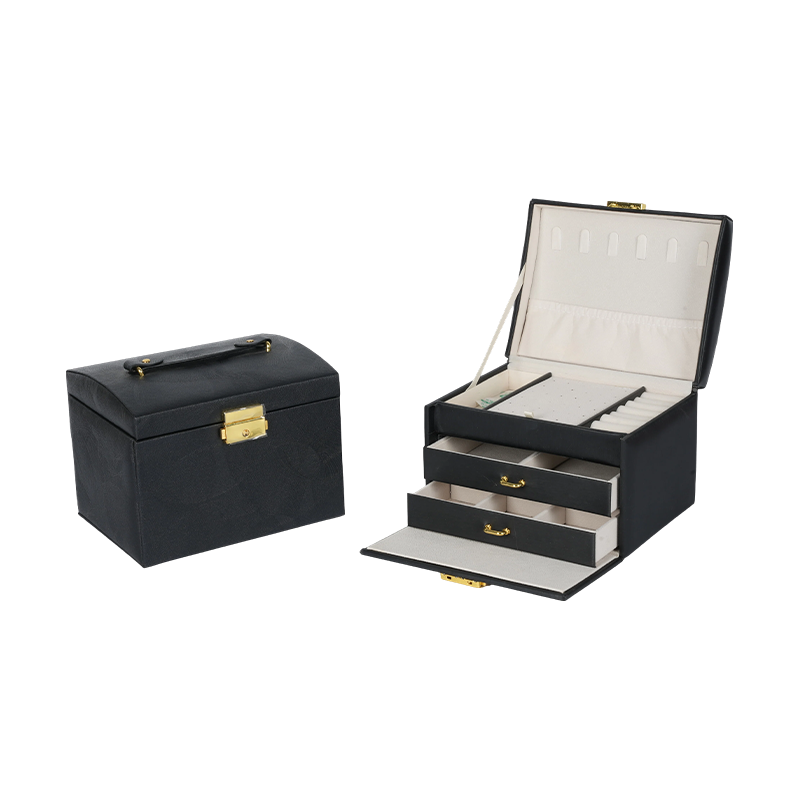
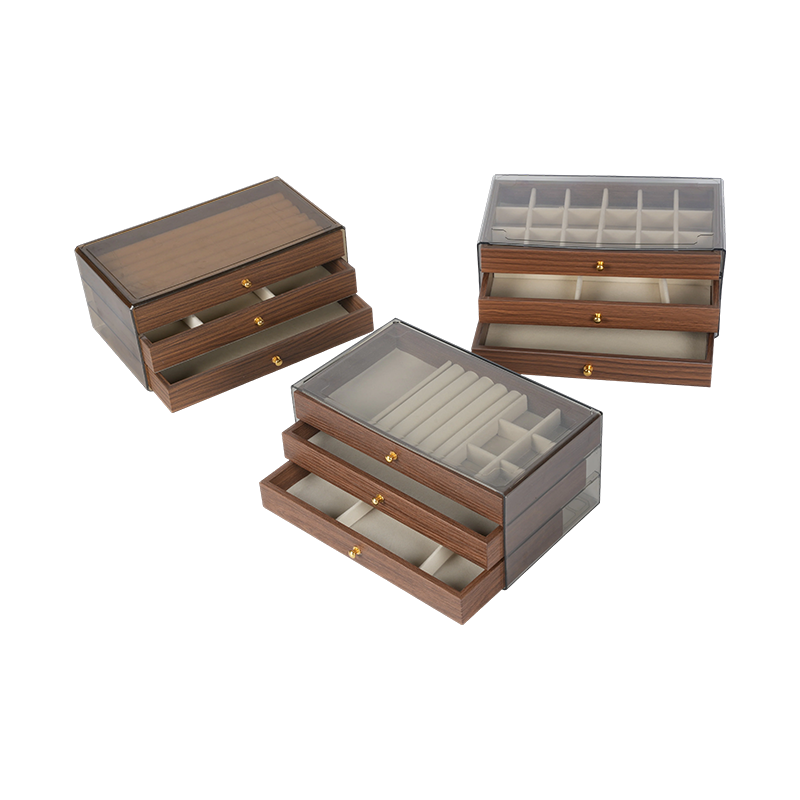
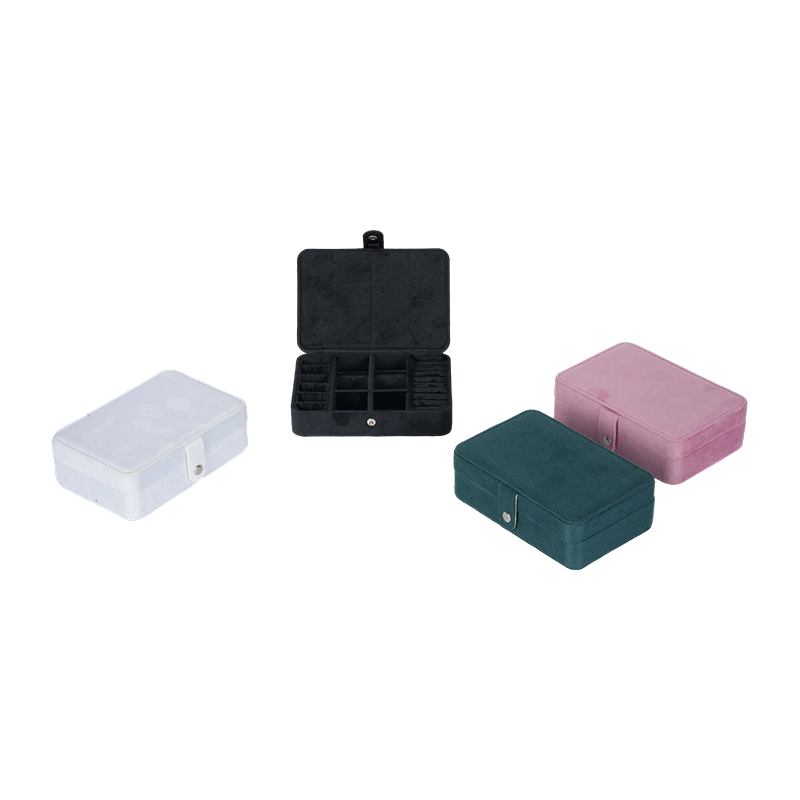
A travel jewelry organizer can offer several compartments and still be inconvenient for the pieces someone actually carries. A long necklace, a pair of large earrings and a few rings need different kinds of space. Counting pockets does not explain how well that mix will fit.
For brands developing a travel collection, the layout review should begin with representative items. It gives the buyer a practical way to judge the sample and describe the product accurately.
Choose a representative set
List the types and approximate dimensions of the jewelry the organizer is intended to hold. Include items that are likely to challenge the layout, such as a longer chain or a wider ring.
Use suitable sample pieces during development. The purpose is to compare compartment arrangements, not to risk valuable jewelry in an unapproved product.
Follow each item's path
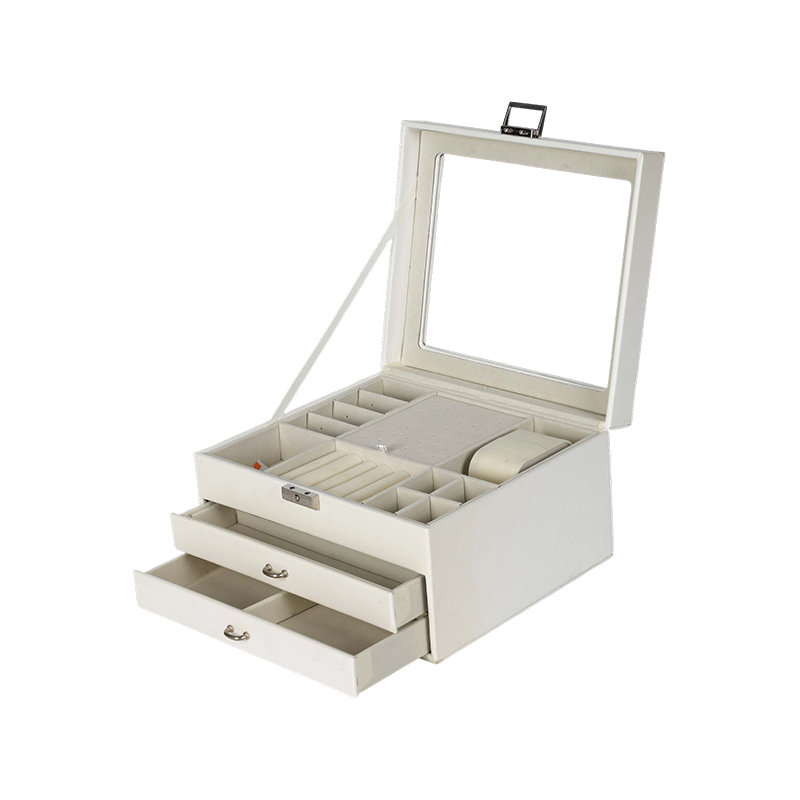
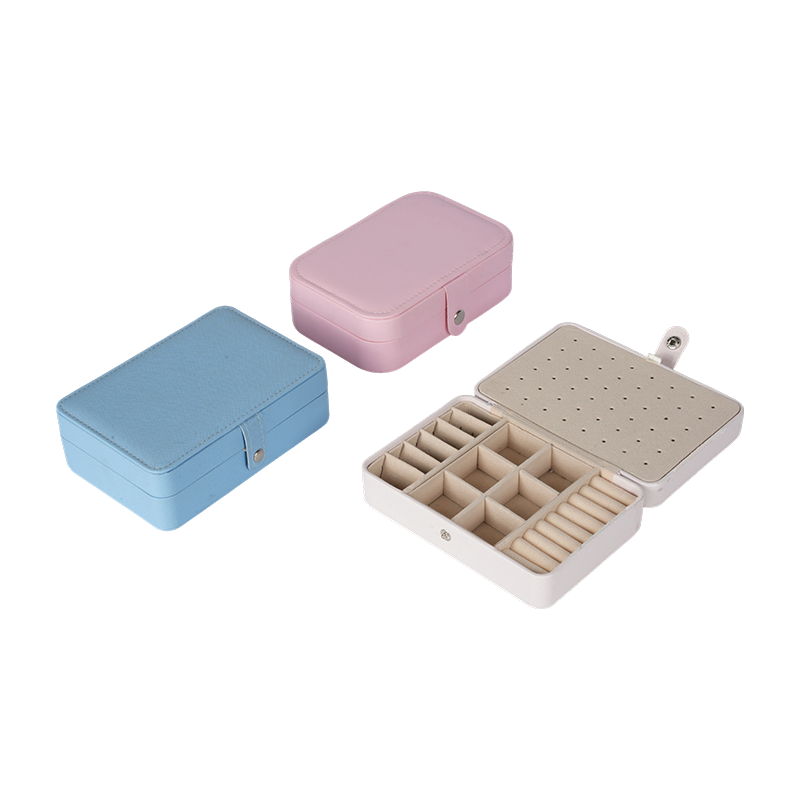
Place a necklace in its proposed section and check how the chain is routed and where the pendant rests. Review how earrings are separated and how rings are positioned.
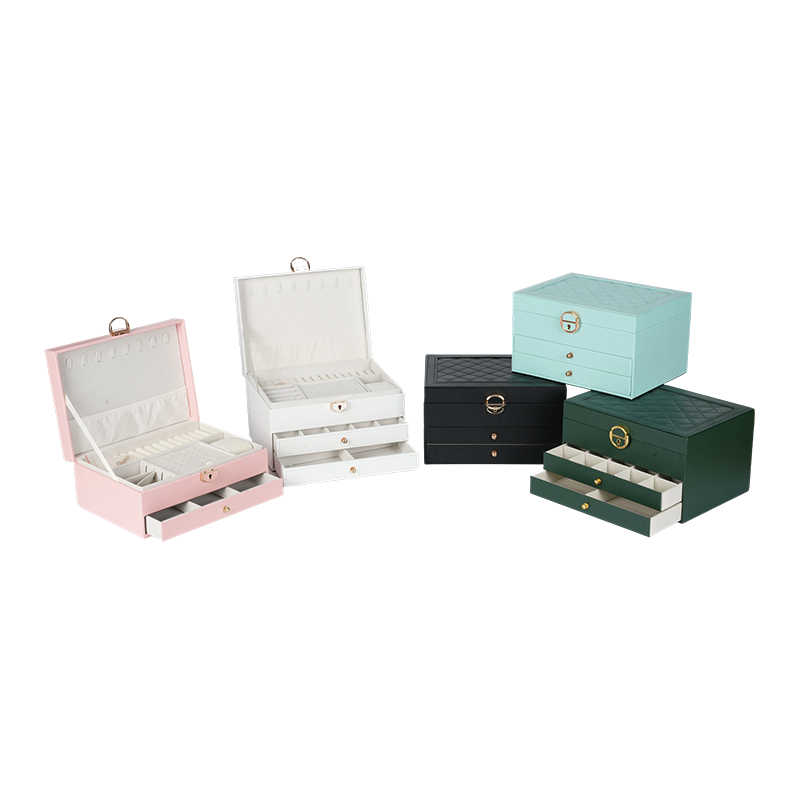
Notice whether reaching one item requires moving several others. A layout may look orderly when every compartment is filled for a photograph but be less practical when the owner wants one piece.
Check the space when closed
An open organizer does not show the whole carrying arrangement. Close the sample with the intended contents positioned according to the proposed instructions and review the available space.
Do not assume that a soft lining establishes scratch protection or that a firm shell establishes impact resistance. Any protective claim needs evidence for the finished product and intended use. A fit review answers a narrower question: does the specified item set have suitable space?
Define the retail description
The listing can describe the actual layout, dimensions and available sections. Where useful, show example contents without implying they are included in the purchase.
Confirm materials, colour references and closure details with the supplier. If a compartment arrangement is changed during sampling, update the photographs and description before launch.
For a custom order, retain the approved layout drawing and sample reference with the packing details. That makes it easier to identify the intended version when the product is reordered.
A useful organizer does not need the greatest number of compartments. It needs an arrangement that has been reviewed against a clear use case. Starting with the pieces to be carried gives the brand a stronger basis for selecting that arrangement than choosing from pocket counts alone.

 English
 Español


 Read More