Travel Jewelry Organizer: Industry Guide to Portable Jewelry Storage, Structure and Customization
Packing jewelry for a trip always comes with the same worry — tangled chains, lost earrings, scratched rings. Travel Jewelry Organizer products exist specifically to solve that very practical problem: keeping jewelry safe, compact, visible, and separated during travel, business trips, hotel stays, daily commuting, and short-term storage. Compared with a standard jewelry box, a travel jewelry organizer leans harder into compact storage, anti-tangle structure, anti-scratch protection, lightweight handling, and secure closure. For factory category pages, this product deserves framing as a portable jewelry storage solution fit for gift market programs, cross-border e-commerce, hotel amenities, beauty accessories, brand sets, and everyday personal organization.
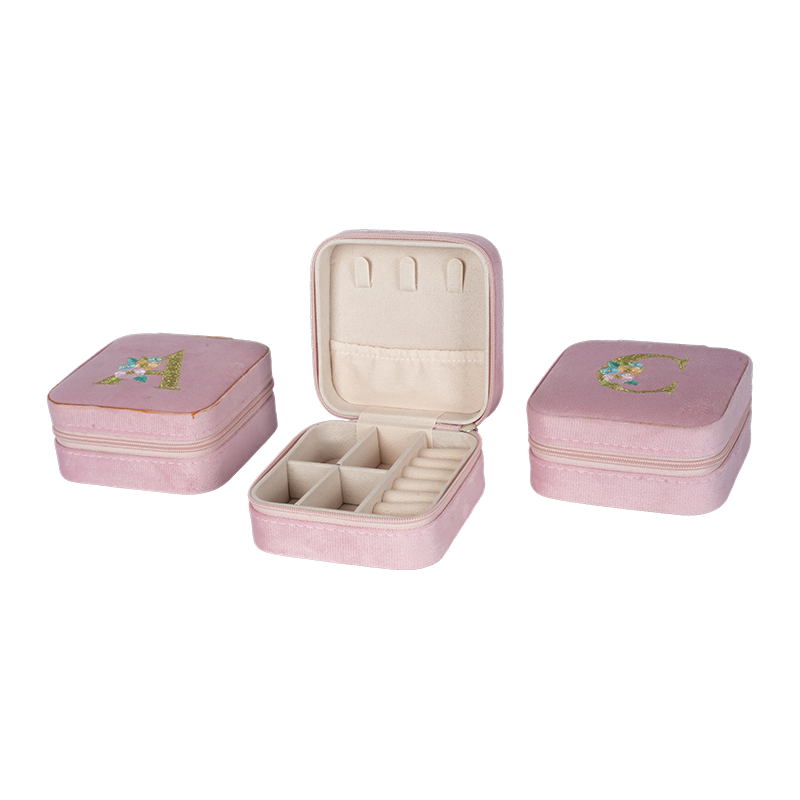
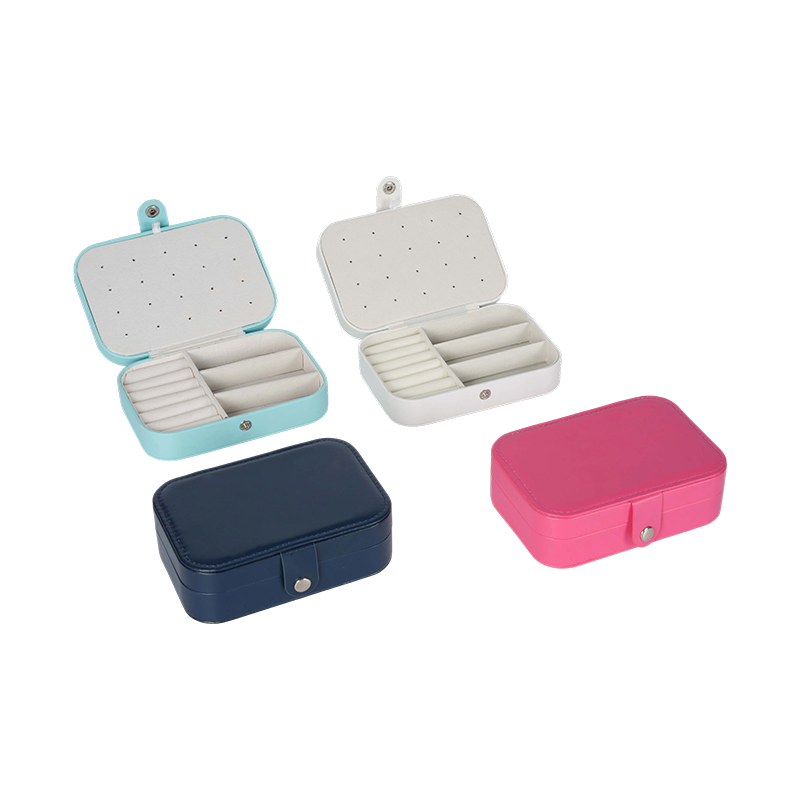
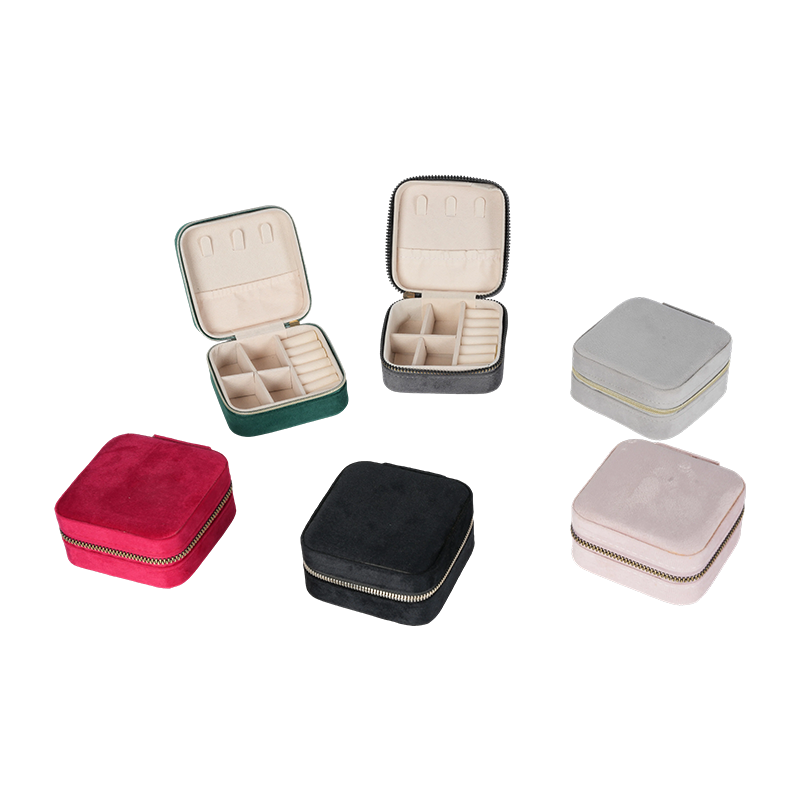
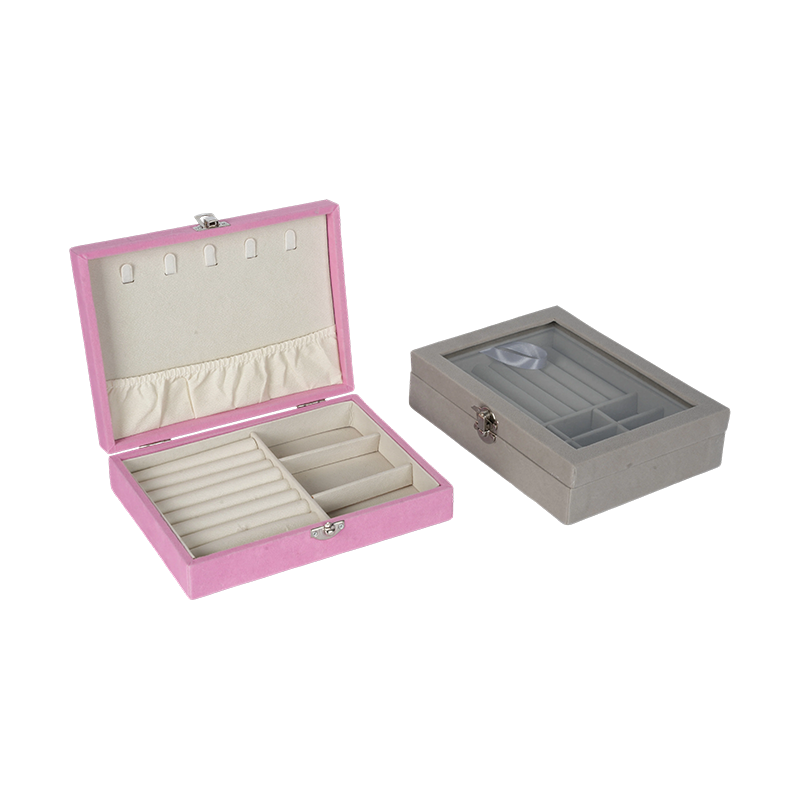
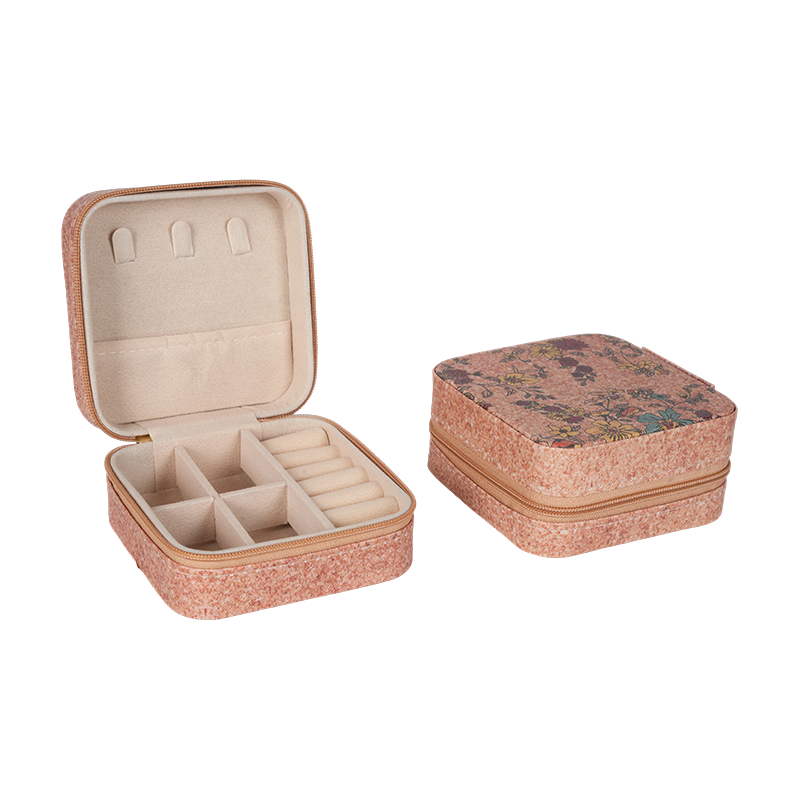
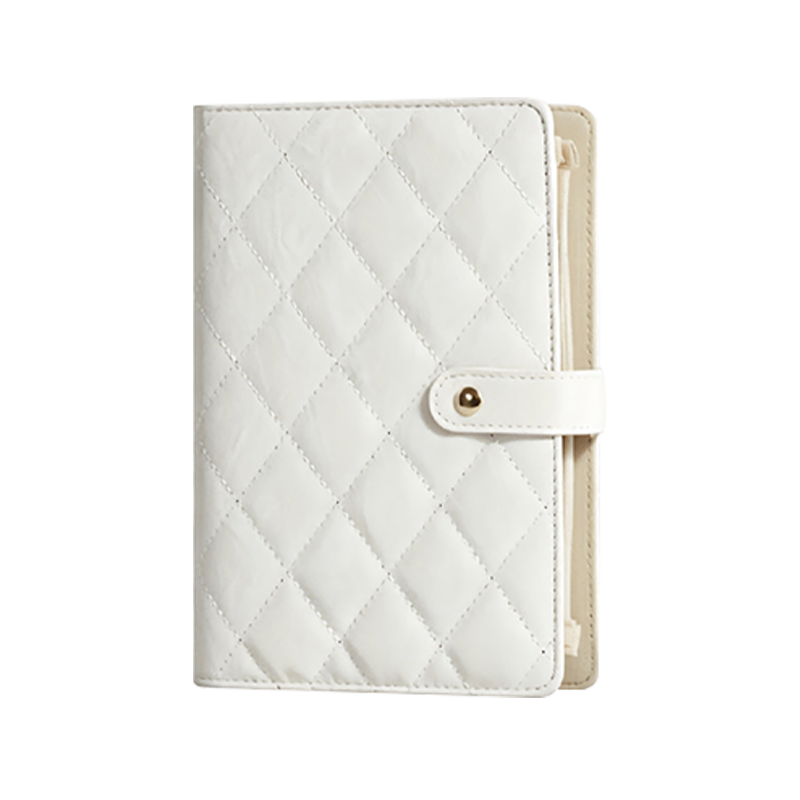
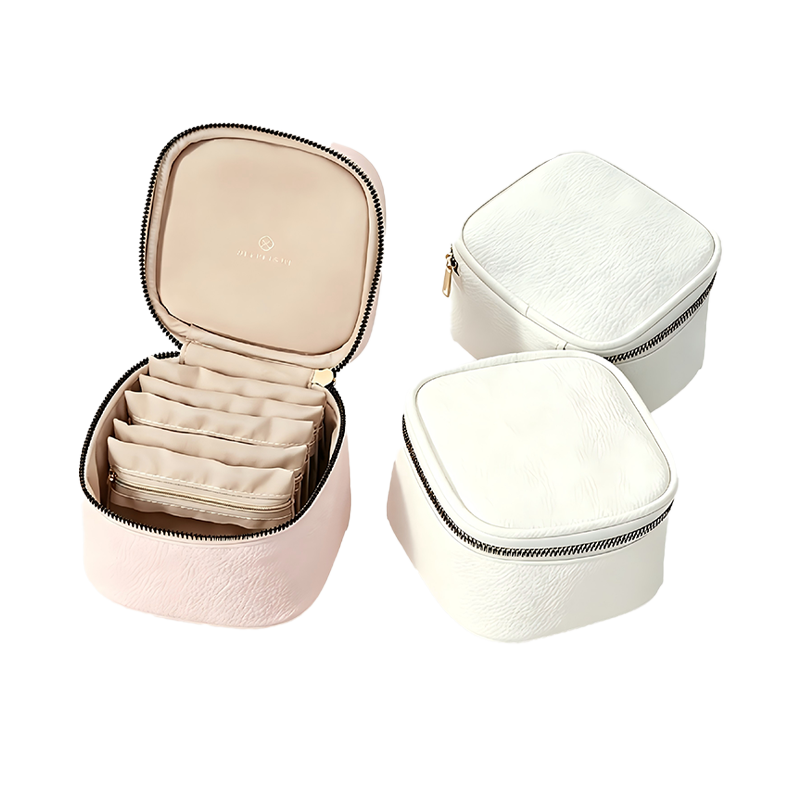
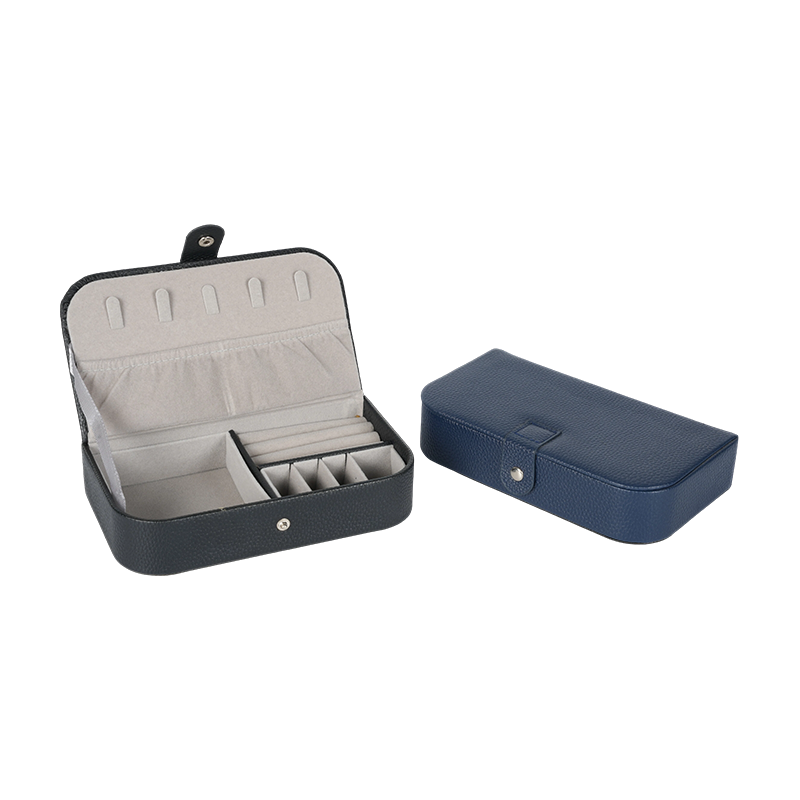
A Travel Jewelry Organizer is a portable jewelry storage product built for rings, earrings, necklaces, bracelets, chains, and small accessories. It might take the form of a hard-shell travel jewelry box, a soft jewelry case, a compact jewelry pouch, or a hybrid organizer with structured compartments.
Core Problems It Solves
The market value of a travel jewelry organizer really comes down to how well it solves a handful of common storage pain points:
- Anti-tangle: Necklace and chain holder structures help cut down knotting and chain overlap
- Anti-scratch: Soft flocking, velvet-like lining, or padded inserts help reduce friction between jewelry pieces
- Loss reduction: Compartmentalized layout keeps small jewelry items in fixed areas
- Quick organization: Rings, earrings, necklaces, and small accessories sort more clearly
- Portable handling: Lightweight and space-saving construction makes the organizer easier to pack
For gift market, cross-border e-commerce, and brand programs, this product also doubles as a presentable jewelry case — not just a utility storage item people hide in a drawer.
Typical Product Composition
A well-built travel jewelry organizer usually pulls together:
- Outer shell or fabric body
- Soft lining or shock-absorbing foam layer
- Ring holder or ring roll area
- Earring compartment or earring panel
- Necklace/chain holder with pocket or strap
- Small accessory section for bracelets, pendants, pins, or mixed items
- Zipper, snap, magnetic closure, button, or fold-over cover
- Optional custom logo, private label, insert card, gift box, or retail-style packaging
For factory development, the real challenge isn't just nailing the external design — it's making sure the internal layout actually protects jewelry while things get moved around.
Key Purchase Considerations
For sourcing teams, brand projects, gift programs, and e-commerce product planning, the main things worth evaluating include:
- Whether the organizer fits common jewelry categories
- Whether the compartmentalized layout actually reduces friction and tangling
- Whether the exterior material and colors match the target market
- Whether the structure supports compact storage and easy packing
- Whether OEM/ODM customization can cover logo, material, size, layout, and packaging
- Whether quality control and inspection support consistent appearance and function
- Whether export packaging protects the shell, lining, and internal dividers during transportation
Structure Design and Functional Compartment Layout
A genuinely strong Travel Jewelry Organizer design comes down to how the internal structure separates jewelry types while keeping the whole case compact. The layout needs to stay clear, stable, and easy to use — without tipping over into bulky.
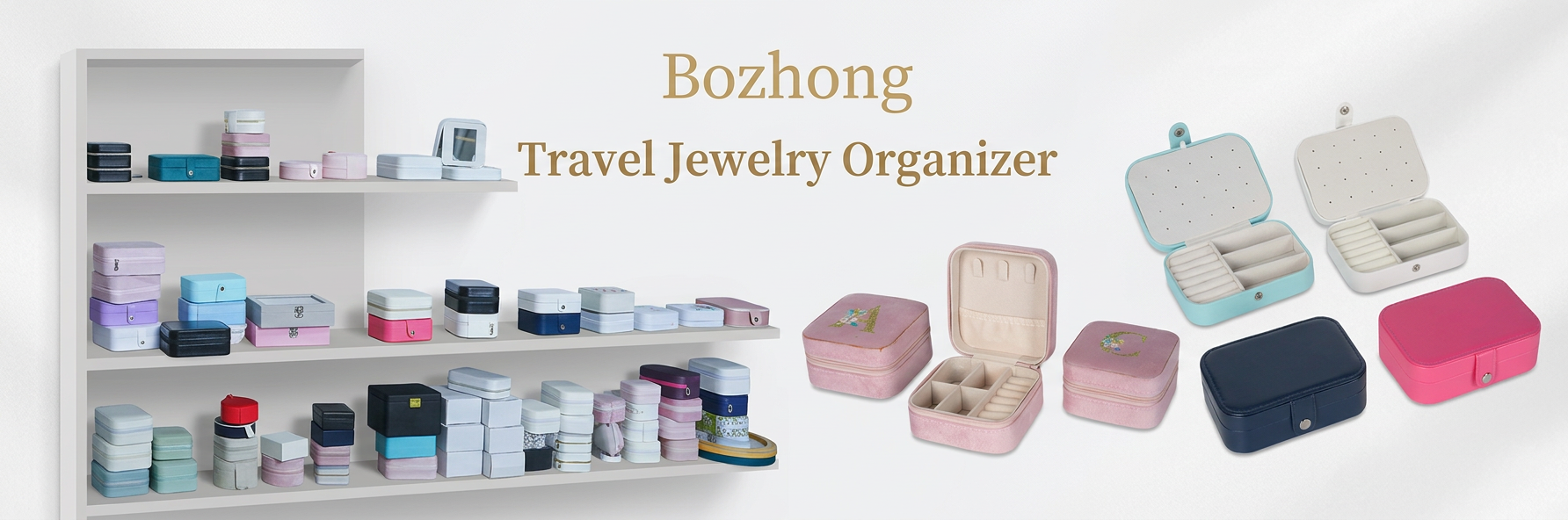
Ring Holder
The ring holder area usually takes the form of a ring roll, slotted section, elastic fixing area, or padded groove.
Key functions include:
- Holding rings in a defined position
- Reducing collision between rings and other jewelry
- Improving display and quick selection
- Supporting a cleaner gift or retail presentation
A good ring holder should feel genuinely secure without making rings a pain to pull back out.
Earring Compartment
The earring compartment might use small grids, punched earring panels, soft cards, removable inserts, or divided pockets.
Its main purpose is to:
- Keep studs, earrings, and small accessories separated
- Reduce the risk of losing tiny pieces
- Prevent surface contact between earrings and harder items
- Make the organizer easier to inspect before packing
For gift sets and cross-border e-commerce specifically, a neat earring compartment can noticeably lift perceived value the moment the case gets opened.
Necklace / Chain Holder
The necklace/chain holder ranks among the most important functional areas in any travel jewelry storage design. Chains tangle easily, so the structure needs to guide, separate, or hold them firmly in place.
Common design concepts include:
- Strap or hook for chain positioning
- Pocket section for pendant placement
- Elastic fixing band for movement reduction
- Separated channel for multiple necklace pieces
The goal throughout stays the same: support anti-tangle storage while keeping access genuinely simple.
Optional Expanded Compartments
Beyond rings, earrings, and necklaces, some travel jewelry organizer designs build in flexible sections for:
- Bracelets
- Brooches
- Pendants
- Hair accessories
- Small charms
- Watch-related small items where the structure allows it
These areas typically show up as removable dividers, small pockets, soft trays, or open sections.
Why Compartmentalized Layout Matters
A compartmentalized layout keeps jewelry separated during carrying and transportation — which cuts down on unnecessary rubbing, chain knotting, and mixed placement that would otherwise happen.
The layout should factor in:
- Jewelry type
- Daily access frequency
- Travel packing behavior
- Visual display when opened
- Balance between compact storage and useful space
A layout that looks neat on paper but doesn't actually hold jewelry securely tends to disappoint once real travel enters the picture.
Lining and Cushioning Function
Interior materials like shock-absorbing foam, velvet-like fabric, soft flocking, microfiber-like lining, or padded fabric all work toward better protection.
These materials support:
- Softer jewelry contact
- Reduced scratches from internal movement
- Better display background
- More refined hand feel
Soft flocking and padded lining show up constantly because they combine protective function with genuine visual presentation.
Portable Structure Details
A travel jewelry organizer needs to be easy to open, close, carry, and tuck into luggage or bags. Structural details worth attention include:
- Lightweight shell or fabric body
- Smooth zipper or stable snap closure
- Rounded corners for better handling
- Foldable or compact opening form
- Inner strap, pocket, or divider fixation
- Exterior material selected for travel wear and surface appearance
The product should stay space-saving without squeezing the internal layout into something too cramped to use comfortably.
Materials, Craftsmanship, and Reliability
Material choice directly shapes the appearance, protection level, hand feel, and durability of a travel jewelry organizer. A factory manufacturer needs to match the outer material, lining, internal tray, closure method, and packaging against the target product positioning.
Interior Lining Materials
The lining ranks among the most telling quality indicators for a jewelry case — it's the part actually touching the jewelry.
Common lining directions include:
- Soft flocking for smooth touch and anti-scratch support
- Velvet-like fabric for gift-friendly presentation
- Padded textile for cushioning
- Microfiber-like lining for soft contact
- PU lining where a cleaner structured appearance is preferred
The lining needs to stay flat, securely attached, and free of loose areas that would otherwise throw off jewelry placement.
Shock-Absorbing Foam and Internal Support
Shock-absorbing foam or padded support layers can sit beneath the lining or inside tray structures, cutting down movement impact during carrying or shipping.
Key evaluation points include:
- Whether the padding supports jewelry without collapsing easily
- Whether the tray holds its shape
- Whether the internal structure reduces pressure on delicate items
- Whether the lining and foam are bonded neatly
For travel products especially, internal support matters a great deal since the organizer often gets packed alongside other items.
Exterior Materials and Colors
Exterior materials and colors can flex according to brand positioning and target channels.
Common exterior material directions include:
- PU leather for refined appearance and wipeable surface
- Fabric for lightweight and soft-touch designs
- EVA or hard-shell structure for stronger shape retention
- Composite board for structured gift-style cases
- Polyester or woven materials for practical travel use
Exterior materials & colors should match the product scenario. Gift market products tend to lean toward texture and presentation, while daily commute or travel-oriented designs usually lean toward light weight and surface durability instead.
Stitching, Bonding, and Fixed Components
Craftsmanship details shape how reliable a travel jewelry organizer actually turns out. Even a well-designed layout can fall apart if stitching, adhesive bonding, or internal fixing isn't stable.
Factory process attention should cover:
- Stitching neatness and seam strength
- Adhesive bonding between lining and shell
- Divider stability
- Zipper or closure alignment
- Internal strap or pocket attachment
- Edge wrapping and corner finish
These give factories practical inspection points for catching loose parts, uneven surfaces, and weak assembly before they ship.
Transport-Ready Structure
Travel jewelry organizers need to withstand handling through packing, warehousing, and delivery without falling apart. The structure should limit pressure on the jewelry area and keep deformation risk low.
Reliability considerations include:
- Stable outer shell or reinforced soft body
- Internal layout that doesn't shift easily
- Closure structure that stays aligned
- Packaging that prevents compression and abrasion
- Clear separation between product surface and hard accessories
For e-commerce and gift packaging, the organizer needs to arrive with the shell, lining, and display appearance fully intact — not just mostly fine.
Quality Control and Inspection Process
A mature factory quality control process usually spans several stages:
Incoming material inspection: Check exterior material, lining, zipper, hardware, foam, and tray components.
In-process inspection: Review stitching, bonding, divider assembly, closure placement, and shape consistency.
Appearance inspection: Check surface marks, glue residue, color consistency, edge finish, and logo clarity.
Functional inspection: Test opening, closing, compartment usability, ring holder placement, and necklace holder stability.
Packaging inspection: Confirm product position, insert fit, gift box appearance, carton marking, and protection method.
This process supports stronger product consistency for private label, brand-matched programs, and cross-border e-commerce shipments alike.
Packaging for E-Commerce and Gift Market
Travel jewelry organizers frequently move through gift channels, online stores, beauty sets, and travel accessory collections. Packaging needs to protect the product while still supporting visual presentation.
Optional packaging formats include:
- Color box
- Gift box
- Insert card
- Paper sleeve
- Polybag or protective wrap
- Inner tray
- Outer carton with organized packing
Packaging should be designed to cut down on surface scratches, deformation, lining dust, and product shifting during transportation.
OEM/ODM Customization and Delivery Capability
Factory production for Travel Jewelry Organizer products should support both standard styles and project-based development side by side. OEM/ODM customization lets brands and channel programs adjust the product's size concept, structural design, material appearance, compartment layout, logo method, and packaging format to fit their needs.
OEM/ODM Customization Scope
Common OEM/ODM customization areas include:
- Custom dimensions according to product positioning and packing needs
- Structural design such as hard case, soft pouch, foldable case, zipper closure, snap closure, or magnetic closure concept
- Compartment quantity and layout for rings, earrings, necklaces, chains, bracelets, and small accessories
- Exterior materials & colors including PU, fabric, EVA-like shell, woven textile, or composite structure
- Interior lining such as soft flocking, velvet-like fabric, foam-padded lining, or microfiber-like lining
- Custom logo through printing, embossing, debossing, hot stamping, metal plate, woven label, rubber patch, or private label tag
- Packaging format including gift box, color box, sleeve, insert card, instruction card, and carton marking
The right customization path really depends on the product scenario, retail positioning, and target market requirements at play.
Private Label and Brand Presentation
Custom logo / private label development shows up constantly for travel jewelry organizers. Logo application needs to match surface material and product style rather than being applied blindly.
Typical branding methods include:
- Screen printing on fabric or PU surfaces
- Hot stamping on compatible PU or coated surfaces
- Embossing or debossing for leather-like materials
- Metal logo plate for structured cases
- Woven label for textile organizers
- Sticker or hangtag for flexible packaging
The logo method shouldn't get in the way of opening, closing, folding, or everyday handling — function comes first.
Cross-Border E-Commerce and Gift Market Adaptation
For cross-border e-commerce and the gift market, the product needs to photograph well, explain itself clearly, and hold up practically during shipment. Clear internal compartments and attractive packaging both lift product presentation considerably.
Development directions may include:
- Seasonal colors
- Gift-ready box packaging
- Compact formats for lower storage volume
- Matching sets with cosmetic bags or travel accessories
- Brand series packaging for multiple SKUs
- Lightweight designs suitable for online fulfillment
The focus stays on keeping the product visually attractive while still maintaining real shipping protection.
Development and Production Flow
A practical factory cooperation workflow tends to follow these steps:
- Design input or product direction confirmation — Confirm target style, product form, jewelry categories, exterior material, and packaging requirements.
- Sample development — Prepare sample structure based on compartment layout, lining, exterior material, closure method, and logo plan.
- Sample validation — Check jewelry placement, opening and closing, internal protection, logo appearance, packaging fit, and user handling.
- Pre-production review — Confirm material matching, color direction, stitching or bonding method, and inspection checkpoints.
- Production and quality inspection — Control appearance consistency, structure stability, compartment accuracy, and packaging integrity.
- Export packing and shipment preparation — Arrange carton packing, product fixing, label layout, and protection against pressure, scratching, and movement.
This workflow supports custom dimensions, private label programs, and repeated production consistency — without leaning on fixed product assumptions that might not fit every project.
Mature Supply Chain and Stable Response
A mature supply chain matters a great deal for travel jewelry organizer projects, since the product typically combines multiple materials at once: exterior fabric or PU, lining, foam, zipper, hardware, trays, labels, packaging, and cartons.
Supply chain capability affects:
- Material matching
- Color consistency
- Accessory coordination
- Packaging availability
- Sampling flexibility
- Production repeatability
- Quality control timing
Stable coordination across all these components helps avoid delays caused by material mismatch or last-minute assembly changes.
Compliance and Market Fit
For export-oriented projects, material and packaging compliance needs managing according to the target market. This can involve reviewing material declarations, packaging labels, warnings, instructions, and applicable market requirements.
Compliance planning works best when it's built in before production starts — not bolted on at the final packaging stage. That approach helps avoid redesigning labels, inserts, or packaging artwork later on.
FAQ for Travel Jewelry Organizer
1. What jewelry types are suitable for a Travel Jewelry Organizer? A Travel Jewelry Organizer commonly handles rings, earrings, necklaces, chains, bracelets, pendants, and small accessories. Exact suitability depends on the internal compartmentalized layout and fixing method. A balanced structure should separate different jewelry types while keeping the organizer compact.
2. How does the organizer help prevent tangling and scratches? Anti-tangle performance mainly comes from necklace/chain holder sections, straps, pockets, and separated channels. Anti-scratch protection depends on soft flocking, padded lining, shock-absorbing foam, and stable compartments. The internal structure should reduce jewelry movement during travel or delivery.
3. How should compartment quantity and size concept be selected? The layout should match the target jewelry mix and user scenario. Ring holder sections, earring compartments, necklace holders, and open small-item areas should stay balanced rather than overloaded. Custom dimensions and structural design can be adjusted according to project requirements.
4. How do exterior materials and interior lining affect user experience? Exterior materials shape appearance, hand feel, surface durability, and travel suitability. Interior lining affects jewelry contact, scratch reduction, and display quality. A good jewelry case matches outer material, inner lining, closure structure, and packaging style all together.
5. Is custom logo and private label development available? Custom logo and private label options are standard for OEM/ODM customization. Branding can go through printing, embossing, debossing, hot stamping, metal plate, woven label, or packaging artwork depending on material compatibility. The selected process should match the exterior surface and product positioning.
6. How does sample development usually work? Sample development usually starts with product form, exterior material, internal layout, color direction, logo method, and packaging style. After the sample gets reviewed, adjustments may follow for compartments, lining, closure, and presentation. The process focuses on confirming structure and appearance before repeat production begins.
7. What packaging works better for the gift market? Gift market packaging should combine protection and presentation in equal measure. Color boxes, gift boxes, sleeves, insert cards, and formed inner trays all lift display value while reducing product movement. Packaging needs to protect both the organizer surface and internal lining.
8. What quality points should be checked before shipment? Important quality points include exterior surface condition, stitching or bonding, zipper or closure function, lining attachment, divider stability, logo clarity, and packaging protection. Inspection should also confirm whether the organizer stays compact, clean, and well-positioned inside the package. These checks support better consistency for e-commerce and project-based supply.
A Travel Jewelry Organizer brings compact storage, organized compartments, jewelry protection, portability, and presentation together into one functional product system. Effective product development hinges on how well structure, lining, exterior materials, compartment design, branding, packaging, quality control, and a mature supply chain all coordinate with one another.


 English
 Español

 +86-131 0625 5568