English
 Español

 Read More

A High-End Jewelry Gift Box is not limited to a fixed size, material, or interior layout. For jewelry brands, retailers, wholesalers, and gift suppliers, many parts of the box can be adjusted to suit different products and packaging ideas. Size, shape, material, color, interior inserts, logo placement, opening style, and surface details are all areas that may be considered during customization.
For a manufacturer, the useful question is not simply how a jewelry box should look. It is also how the box will hold the jewelry, how it will be opened, how it will be stored, and how it will be packed for delivery. A practical custom packaging project starts with the jewelry itself and then builds the box around its actual requirements.
There are several areas buyers can discuss with a jewelry box manufacturer. Some projects require changes to an existing design, while others start with a new structure based on the jewelry and packaging requirements.
The dimensions of a jewelry box should be considered according to the jewelry it needs to hold.
A ring usually needs a compact insert with a secure slot. A necklace may require more internal length and a way to keep the chain organized. Earrings, bracelets, and jewelry sets can require different arrangements.
The outer shape can also be adjusted when a standard rectangular box does not fit the intended design. Depending on the project, buyers may discuss the length, width, height, lid structure, and internal space before a sample is made.
Providing the actual jewelry dimensions at the beginning of a custom project can help the manufacturer develop the interior around the product.
Material is more than an appearance choice. It can affect the feel of the box, its structure, surface treatment, production method, and how the finished packaging is handled.
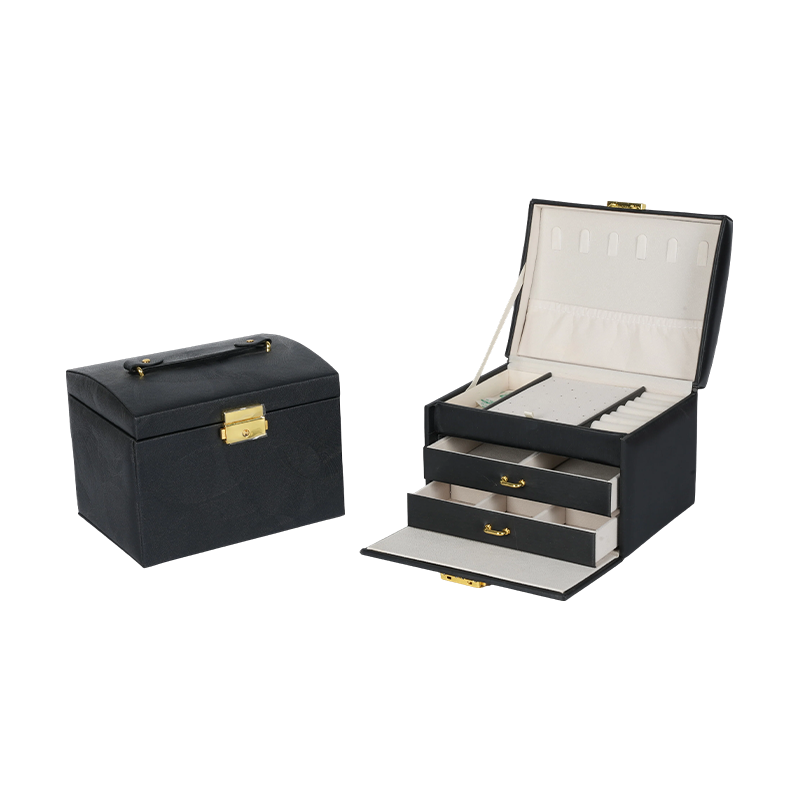
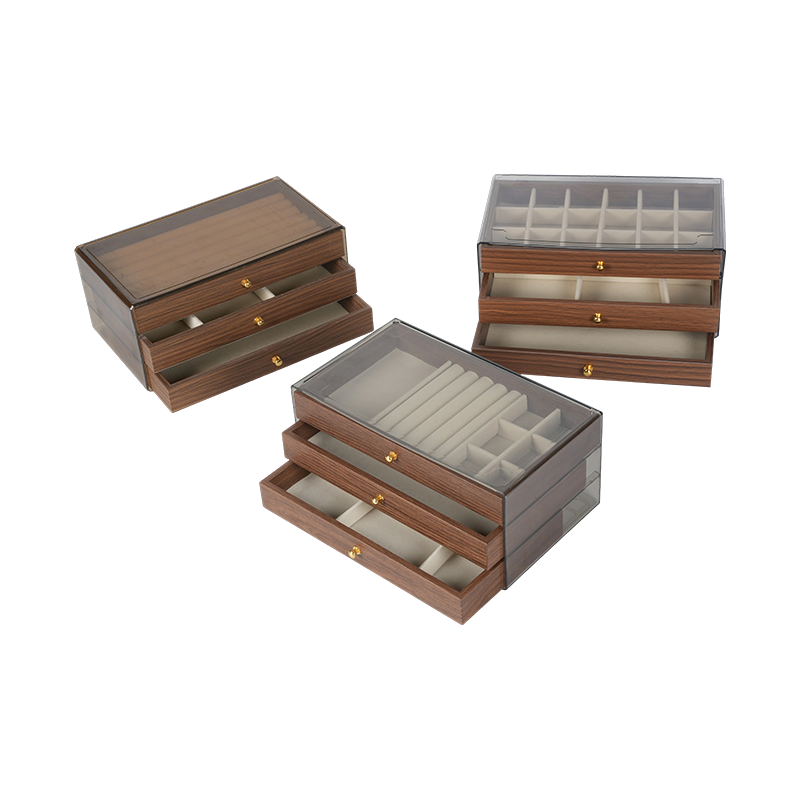
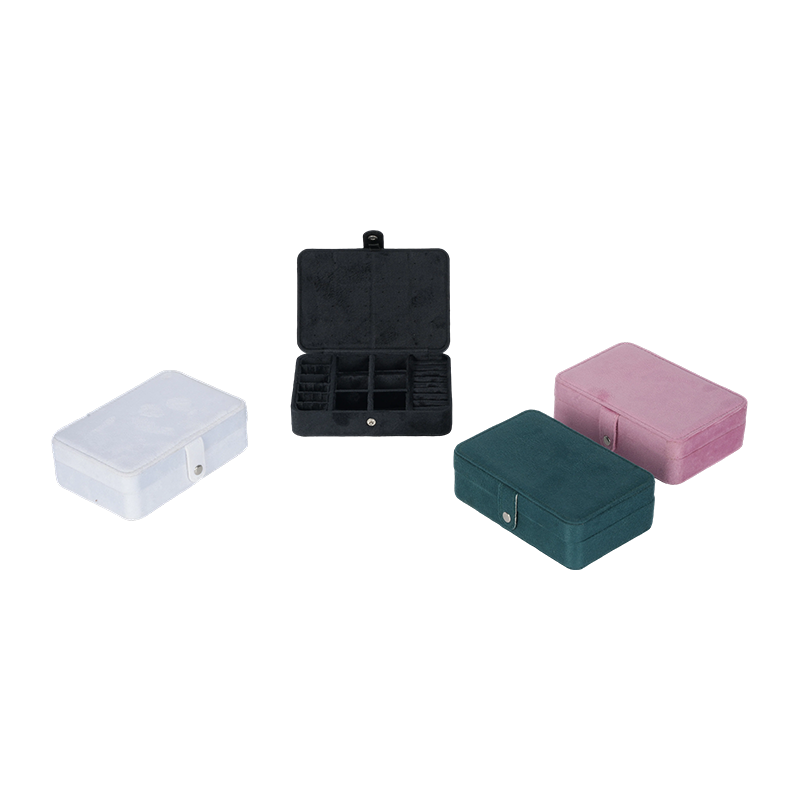
Common options for jewelry packaging may include PU leather, wood, velvet, paper-based materials, and combinations of different materials.
PU leather can be used for jewelry boxes that need a smooth covered exterior and a structured appearance. It can also be combined with different interior materials depending on the design.
Wooden jewelry boxes provide a different visual and tactile direction. They can be considered for collections where the packaging concept calls for a solid structure.
Velvet can be used when a softer surface and a decorative appearance are part of the packaging concept. It may also be combined with other materials within the same box.
Material selection should take the product, structure, design requirements, and production plan into account rather than relying only on appearance.
Yes. In many custom projects, the interior needs as much attention as the exterior.
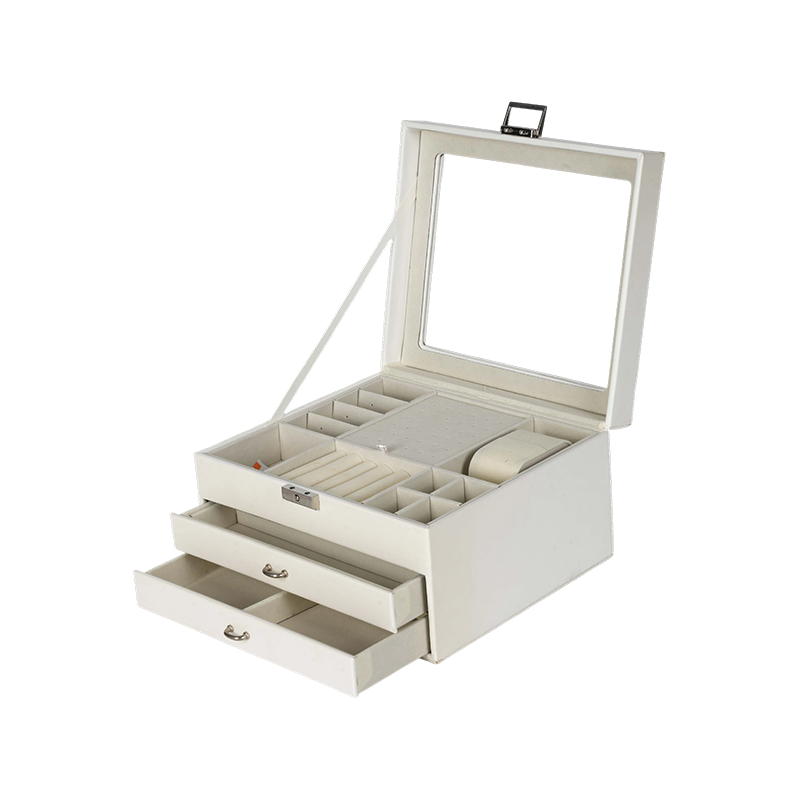
The jewelry needs to sit in the right position and remain organized when the box is opened, closed, moved, or stored. An insert that works for a ring may not work for a necklace or a set containing several pieces.
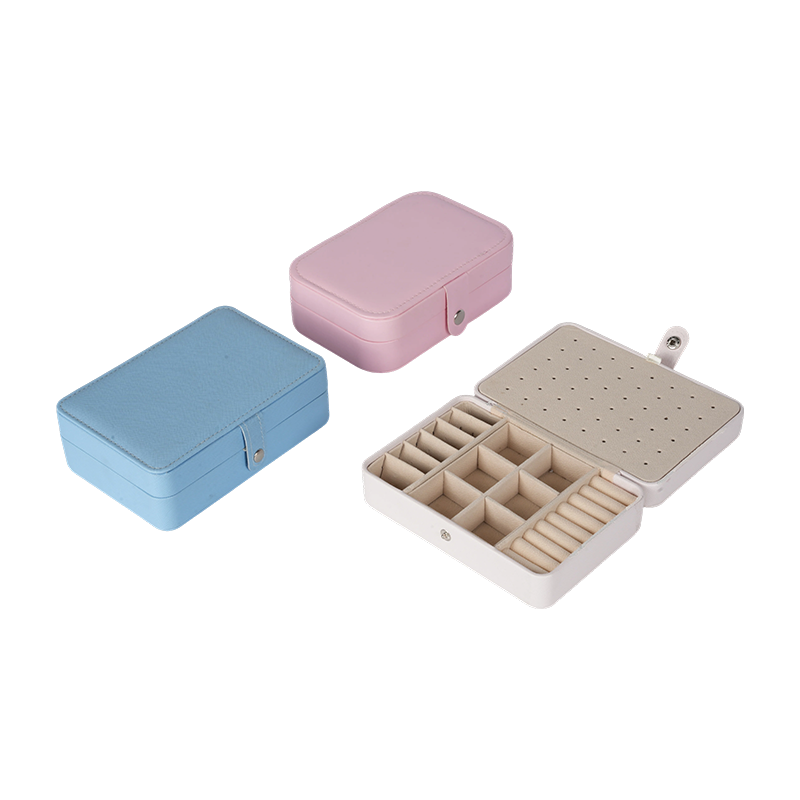
Ring boxes commonly need narrow slots or supports that hold the ring in place while keeping it visible when the box is opened.
Longer jewelry may require additional support. Depending on the design, the interior can include spaces or supports that help keep chains, pendants, and bracelets organized.
A jewelry set may contain several pieces with different shapes. Separate compartments can help organize these items inside one box while giving the collection a clear presentation.
The interior should be developed from the actual jewelry dimensions. Providing a product sample can be useful when the insert needs to match an unusual shape or a specific presentation method.
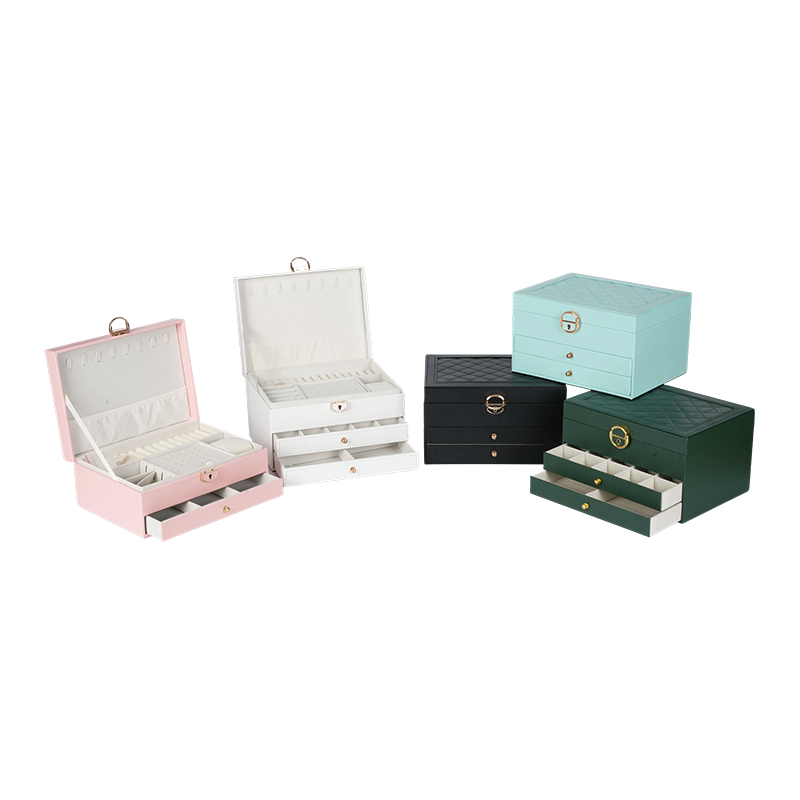
Color is another part of the packaging design that buyers may adjust.
The exterior and interior do not always need to use the same color. A jewelry brand may choose one color for the outer surface and another for the inner lining or insert.
Color selection can also be connected with the material. The same color may have a different visual effect on PU leather, velvet, wood, or paper-based surfaces.
Physical samples can be useful during the development process because they allow buyers to evaluate the actual combination of material, color, texture, and structure before production.
For many jewelry packaging projects, the logo is part of the overall box design rather than a separate detail added at the end.
Buyers can discuss the position, size, color, and application method of the logo with the manufacturer. Depending on the selected material and production process, the logo may be placed on the lid, exterior surface, interior, or another suitable area.
The logo can be positioned where it remains visible without interfering with the jewelry presentation.
The size needs to work with the dimensions of the box. The visual balance of the packaging should be considered when deciding the logo scale.
The suitable branding method depends on the material, surface, artwork, and production requirements. This should be confirmed during the sampling stage.
The opening method is easy to overlook when discussing jewelry packaging, but it affects how the box is used.
A box may use a hinged structure, magnetic closure, drawer-style opening, or another design depending on the product and packaging concept.
A compact ring box has different structural requirements from a larger box designed for a jewelry set. The opening direction, lid movement, closure position, and internal space need to work together.
Structural details are therefore normally confirmed during sample development.
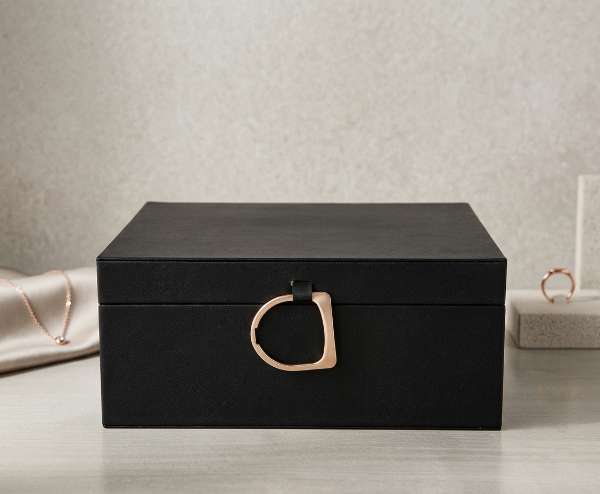
Once the main structure and materials have been selected, buyers can consider smaller surface details.
These may include texture, stitching, edges, lining, decorative elements, and other finishing details suitable for the selected construction.
Small details can change the overall appearance of a jewelry box without changing its basic dimensions. At the same time, they need to remain practical for production.
A custom jewelry box can be developed around different jewelry categories. The main consideration is the relationship between the jewelry and the internal structure.
| Jewelry Type | Possible Interior Considerations |
|---|---|
| Rings | Ring slots, cushions, compact inserts |
| Earrings | Small compartments or paired supports |
| Necklaces | Longer spaces, necklace supports, chain organization |
| Bracelets | Wider interior spaces and bracelet supports |
| Jewelry Sets | Multiple compartments and coordinated inserts |
These are general examples rather than fixed specifications. The actual structure should be determined by the dimensions and presentation requirements of the jewelry.
A custom jewelry box involves several elements that are connected. Changing the material can affect the surface finish. Changing the box dimensions can affect the insert. Changing the insert can affect the available interior space.
If these decisions are made separately, revisions may become necessary later.
A practical custom packaging discussion can include:
Buyers do not necessarily need a finished production drawing before contacting a manufacturer.
If a detailed design already exists, the manufacturer can work from available drawings, specifications, or samples. If the design is still being developed, buyers can start with the jewelry type, approximate dimensions, preferred material, expected box size, logo artwork, and general design direction.
A physical jewelry sample can help the manufacturer understand how the product needs to sit inside the box. This can be useful for irregular jewelry shapes, sets containing several pieces, or packaging that requires a specific presentation angle.
A reference image can help communicate the general direction of a project. It can show the preferred structure, opening method, material combination, or visual style without necessarily becoming the final production design.
Clearly identifying the important requirements makes it easier to discuss whether the proposed structure is suitable for production.
Not every buyer approaches a manufacturer with the same level of preparation.
Some jewelry companies already have a complete design and need a manufacturer to produce the box according to their specifications. Others have a jewelry sample and a general packaging idea but need help developing the structure.
OEM and ODM projects can accommodate these different starting points. The exact workflow depends on the project, so the design, materials, dimensions, branding, and production requirements should be confirmed before manufacturing.
Before moving from a sample to a larger production order, buyers should review the finished sample carefully.
A sample gives both the buyer and manufacturer an opportunity to identify changes before a larger production run.
Customization does not mean adding as many design features as possible. The useful approach is to decide which details actually support the jewelry and the way the packaging will be used.
For a High-End Jewelry Gift Box, buyers can consider the box size, shape, material, interior insert, color, logo, closure, surface finish, and packaging structure. These elements can be developed individually, but they also need to work together as one package.
The starting point is usually simple: What jewelry will go inside the box, how should it be presented, and how will the finished packaging be used?
Once those questions are clear, the manufacturer can work with the buyer to discuss suitable materials, structures, customization details, and sampling requirements.


bz13465898@gmail.com