PU Leather Jewelry Box: Industry Knowledge Guide for Jewelry Storage, Display, and Gift Packaging
PU Leather Jewelry Box products earn their place in jewelry storage, gift presentation, brand display, and organized accessory management by pairing a polished leather-like appearance with practical internal protection. Across this category, what buyers actually care about tends to be visual texture, soft interior protection, a smooth opening experience, compact display, and packaging that feels consistent from box to box.
What is a PU Leather Jewelry Box
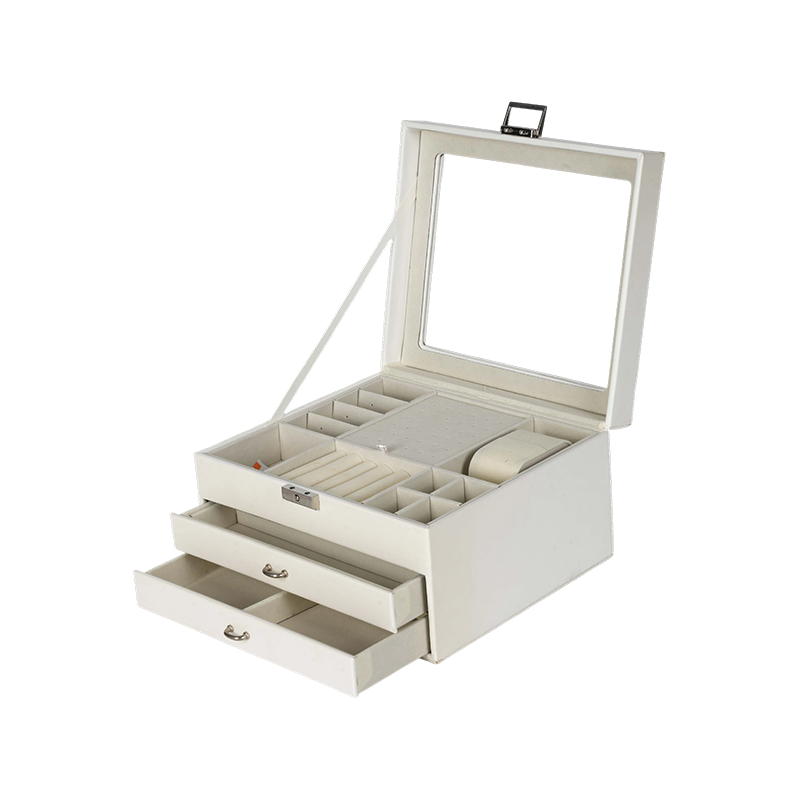
A PU Leather Jewelry Box is a jewelry storage and presentation box wrapped in PU leather covering or leather-like surface material on the outer layer. It's built to store, protect, organize, and display jewelry items — rings, earrings, necklaces, bracelets, pendants, and other small accessories.
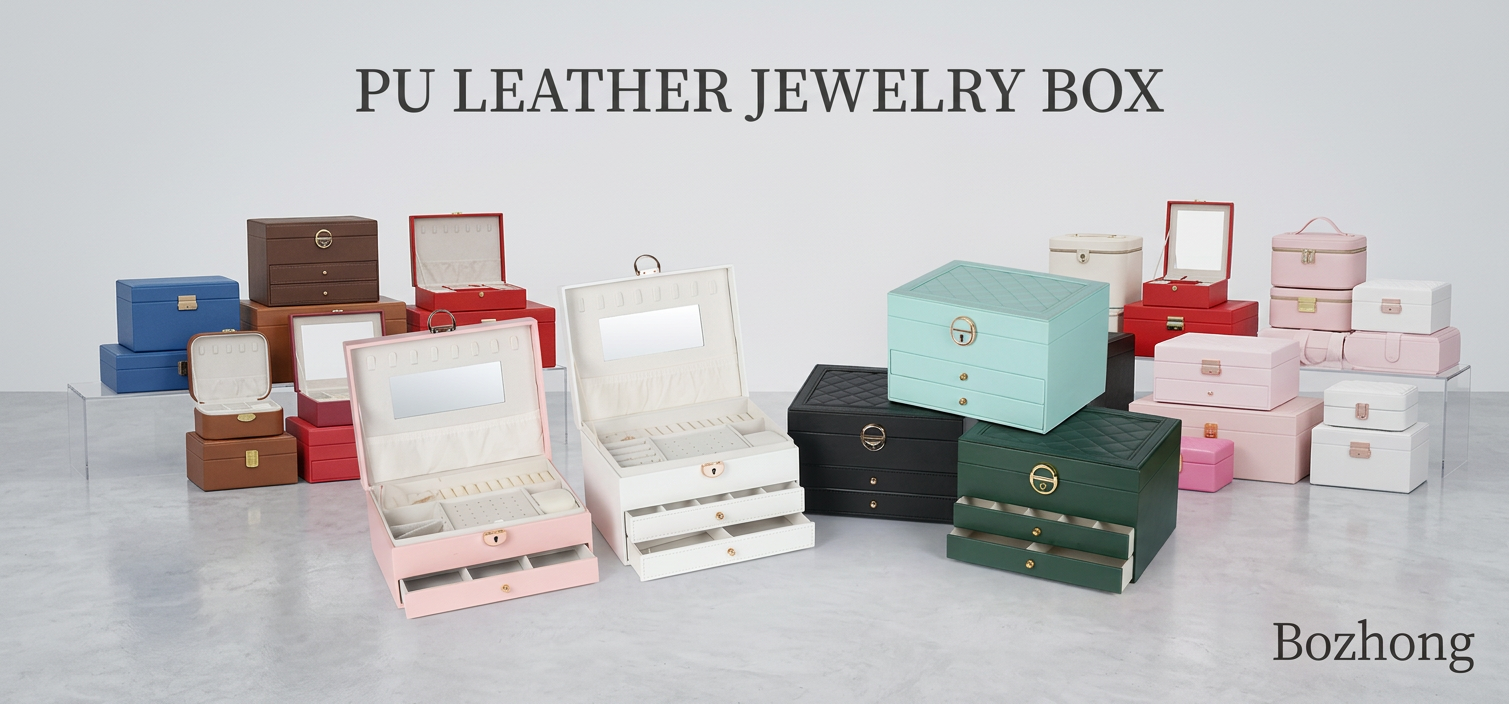
From a factory manufacturing standpoint, this product typically comes together from several core elements:
- Outer layer: PU leather surface, leather-like covering, textured finish, or coated decorative surface.
- Interior structure: Soft lining, cushioning layer, compartments, trays, dividers, or item-positioning sections.
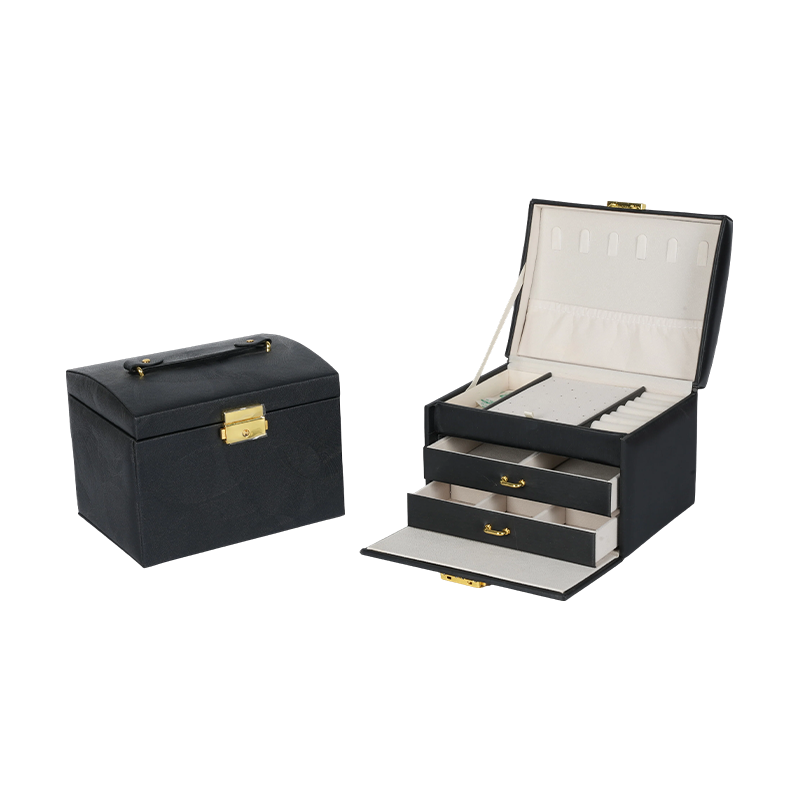
- Opening structure: Common formats include a flip-top lid, drawer-style structure, lift-off lid, clamshell design, or magnetic closure concept.
- Functional purpose: Jewelry storage, classified organization, retail-style display, gift presentation, and brand-matched packaging.
- Presentation role: A PU leather jewelry case usually pulls double duty — it's a protective container and a visual packaging element at once.
Unlike a simple storage box, a PU leather jewelry organizer needs to juggle appearance, inner protection, tactile feel, opening experience, and consistency across production runs all at the same time. That's exactly why material matching and structural planning carry so much weight in factory development.
Common Construction & Functional Components
The quality of a PU Leather Jewelry Box comes down to how the outer surface, inner lining, tray system, closure structure, and decorative details work together — not any one piece in isolation. Each component shapes the user experience, jewelry protection, and overall presentation value.
Outer PU Leather Surface
- Component: PU leather covering, leather-like texture, coated decorative surface
- Function: Provides the main appearance, touch feel, and brand presentation surface
- User experience / quality focus: Surface texture, color consistency, edge wrapping, wrinkle control, and clean finishing
PU leather gets picked so often because it delivers a genuinely refined visual effect while still flexing across different colors, textures, and surface treatments. For project-based packaging or brand-matched programs, surface consistency becomes a real inspection priority.
Interior Lining Materials
- Component: Velvet, flocking, suede-like fabric, soft textile lining, PU lining, or padded interior surface
- Function: Helps reduce direct friction between jewelry and the box structure
- User experience / quality focus: Soft touch, neat attachment, color coordination, and stable inner fit
Interior lining matters enormously for jewelry boxes specifically because it shapes both protection and perceived value at once. A well-matched lining makes rings, earrings, chains, and bracelets look genuinely more organized and refined sitting inside.
Cushioning and Protection Strategy
- Component: Soft pads, padded layers, wrapped edges, tray inserts, and friction-reducing lining
- Function: Helps reduce scratches, impact, movement, and surface contact between jewelry pieces
- User experience / quality focus: Jewelry sits securely, feels protected, and stays easy to remove
The protection strategy needs to match the jewelry type and presentation purpose. For delicate pieces especially, internal cushioning and stable positioning start to matter more than decorative appearance alone.
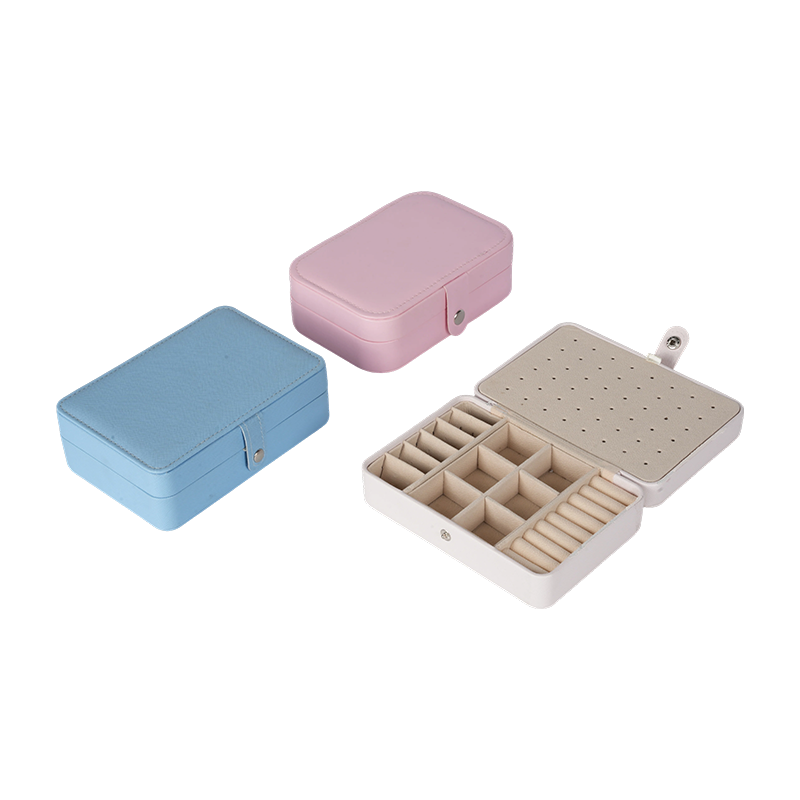
Compartment and Tray System
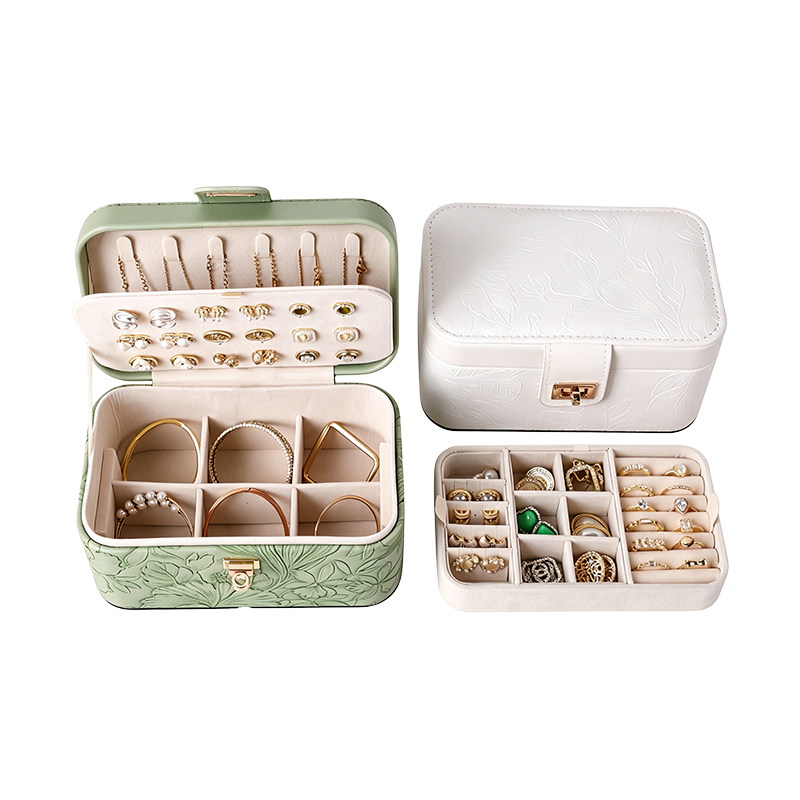
- Component: Dividers, ring slots, earring cards, necklace hooks, bracelet channels, removable trays, embedded inserts
- Function: Supports classified storage and keeps jewelry from mixing or tangling
- User experience / quality focus: Clear organization, stable item placement, smooth access, and consistent internal layout
A jewelry box might use fixed compartments, removable trays, elastic holding concepts, or layered structures — sometimes several at once. The layout should follow how jewelry actually gets placed, viewed, and taken back out.
Lid and Opening Structure
- Component: Flip-top lid, lift-off lid, drawer structure, clamshell body, hinge system
- Function: Controls access, protects the contents, and shapes the display experience
- User experience / quality focus: Smooth opening, accurate alignment, stable lid positioning, and neat closing
Opening structure is honestly one of the most defining details in a PU leather jewelry case. A well-built structure turns opening the box into a genuinely satisfying presentation moment.
Fixing and Security Structure
- Component: Magnetic closure, snap button, clasp, lock-ready structure, metal latch, or positioning point
- Function: Keeps the box closed and supports controlled opening
- User experience / quality focus: Secure closure, correct alignment, easy operation, and appropriate strength
These elements are best treated as optional structural directions. Not every PU Leather Jewelry Box needs magnets, locks, or metal closures — but they add real value for gift packaging, premium display, or travel-friendly designs.
Portable and Display Details
- Component: Handle, display lid, presentation angle, window concept where applicable, compact shell
- Function: Supports carrying, gift presentation, counter display, or organized storage
- User experience / quality focus: Balanced appearance, practical handling, and clean product presentation
For jewelry display, the inside layout and opening angle shape how jewelry actually gets seen. For gift presentation, that first opening moment often matters just as much as the outer appearance itself.
Cleaning and Maintenance-Friendly Design
- Component: Wipeable PU surface, protected edges, removable insert concept where applicable
- Function: Supports easier daily care and helps maintain a clean appearance
- User experience / quality focus: Reduced visible stains, easier surface cleaning, and more manageable long-term use
PU surfaces generally wipe clean far more easily than most textile exteriors, while inner linings need a gentler touch. The material combination needs to reflect the actual usage environment.
Materials & Build Options
Material choice shapes the appearance, protection level, tactile experience, and overall product positioning of a PU Leather Jewelry Box. A well-designed box almost always combines several materials to balance external style against internal care.
| Material Direction |
Main Role |
Positioning |
Key Consideration |
| PU leather outer layer |
Decorative covering and touch feel |
Refined appearance, color variety, brand presentation |
Texture, color consistency, edge wrapping |
| Velvet / flocking lining |
Soft inner protection |
Jewelry protection and gift feel |
Softness, neat adhesion, anti-friction effect |
| PU or leather-like inner lining |
Unified visual style |
Coordinated interior and exterior look |
Surface matching, cleaning behavior |
| Board / composite tray structure |
Support and compartment base |
Stable storage and organized layout |
Flatness, strength, insert fit |
| Metal hardware |
Hinge, clasp, trim, decorative detail |
Structural support and refined finish |
Surface finish, alignment, secure fixing |
PU Outer Layer
PU leather remains the go-to for outer surfaces since it flexes across textures, colors, and finishes so easily. Depending on the intended style, it can go smooth, matte, glossy, grainy, or soft-touch.
This material direction suits jewelry boxes destined for gift sets, brand packaging, display cases, and organized home storage alike.
Interior Textile Lining
Velvet, flocking, suede-like fabric, and soft textile linings routinely line the inside of jewelry boxes to keep hard surfaces away from delicate pieces. These materials genuinely improve touch feel and push the presentation closer to gift-ready.
Interior lining should be chosen with jewelry type, desired appearance, and packaging tone all in mind.
PU or Leather-Like Inner Lining
Some designs use PU or leather-like lining inside the box specifically to unify the look between exterior and interior. This direction suits products aiming for something cleaner, more structured, or more contemporary in feel.
PU inner lining also coordinates more easily with exterior color and logo presentation than some fabric alternatives.
Tray and Divider Materials
Hard board, composite board, molded inserts, padded trays, and wrapped dividers all show up in building out the internal structure. These components give jewelry placement real support and help the compartments hold their shape.
The tray system should track the actual jewelry categories involved — rings, earrings, necklaces, bracelets, or mixed accessory sets.
Metal Hardware and Decorative Parts
Hinges, clasps, buckles, corner protectors, metal nameplates, and decorative trims all come into play depending on the design. These parts improve opening experience, structural strength, and visual refinement all at once.
Hardware selection needs to weigh surface finish consistency, attachment strength, and how well it plays with PU-covered structures.
Different materials shape the product's appearance, protective performance, and user experience in different ways. The final combination should come down to the target display method, gift presentation needs, jewelry storage habits, and the handling environment the box will actually face.
Customization & OEM/ODM Capability
Customization for PU Leather Jewelry Box products needs to connect exterior style, internal layout, branding method, packaging presentation, and production feasibility into one coherent plan. A factory manufacturer supports this through sample review, structure development, material matching, logo application, assembly validation, and export packaging planning.
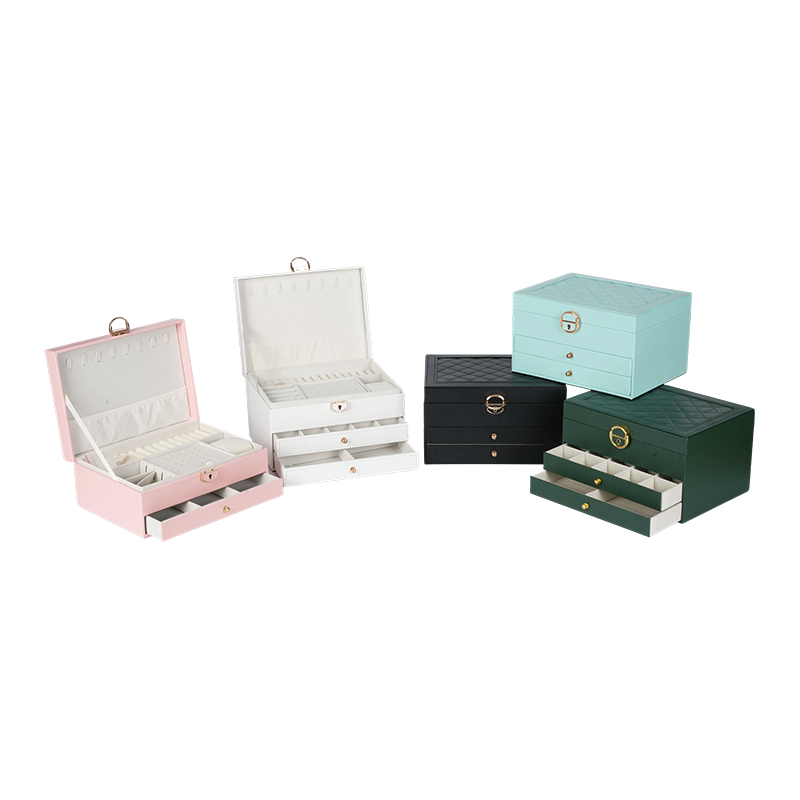
Customizable Exterior Options
Common exterior customization directions include:
- PU leather color selection
- Surface texture and grain effect
- Matte, glossy, soft-touch, or coated appearance
- Edge wrapping method
- Decorative stitching concept where applicable
- Metal trim, clasp, corner detail, or nameplate design
The exterior design should track brand style, gift positioning, and the display environment it's headed for.
Logo and Brand Marking Options
Common logo application methods include:
- Silk screen printing
- UV printing
- Hot stamping
- Debossing or embossing
- Laser engraving on compatible hardware
- Sticker or label application
- Metal or plastic nameplate
Every process needs to match the actual surface material involved. PU leather, coated board, metal hardware, textile lining, and labels each demand their own process planning.
Interior Customization
Interior customization ranks among the most important parts of PU leather jewelry box development. The internal structure ultimately decides whether jewelry gets displayed neatly and stays protected during storage.
Common interior customization directions include:
- Lining material selection
- Ring slot layout
- Earring card position
- Necklace hook or elastic holding concept
- Bracelet section
- Removable or fixed tray
- Layered or drawer-style organization
- Divider quantity and compartment planning
The internal layout should follow the jewelry type, presentation method, and how users actually tend to interact with the box.
Gift Set and Packaging Adaptation
PU leather jewelry boxes often show up in gift programs, jewelry sets, brand display, and project-based packaging. Packaging planning can include inner trays, instruction cards, protective wrapping, outer box design, and carton-level protection.
A genuinely consistent packaging system keeps the jewelry box, accessories, inserts, and printed materials all visually aligned.
Development Flow
A practical customization process tends to follow these steps:
- Requirement collection — Confirm jewelry type, display style, exterior appearance, interior layout, logo needs, and packaging direction.
- Structure and compartment proposal — Plan lid structure, tray format, divider layout, lining material, and closure method.
- Surface and logo solution — Match PU leather texture, color, printing method, hot stamping, embossing, nameplate, or label approach.
- Trial assembly verification — Check lid alignment, tray fit, lining adhesion, logo placement, closure feel, and overall appearance.
- Production consistency and export packaging validation — Review repeated appearance, component fit, interior protection, packaging protection, and carton arrangement.
This workflow turns a design idea into something genuinely practical and repeatable — a real PU leather jewelry organizer solution rather than a one-off sample.
Quality Control & Export Packaging
Quality control for PU Leather Jewelry Box production needs to focus on material consistency, exterior finishing, internal protection, structural assembly, functional use, and packaging safety. A solid factory process builds verifiable checkpoints all the way from incoming materials to final export packing.
Process-Based Quality Points
Incoming material consistency Check PU leather surface appearance, basic color consistency, texture condition, lining material, board flatness, and hardware finish.
Exterior quality control Review scratches, wrinkles, glue marks, surface coating condition, edge wrapping, corner neatness, and visible surface cleanliness.
Structural assembly consistency Inspect lid alignment, hinge position, clasp or magnetic closure fit, drawer movement where applicable, and shell shape consistency.
Interior protection check Confirm lining adhesion, tray placement, divider stability, ring slot position, and whether the interior actually supports smooth jewelry placement and removal.
Functional verification Check opening smoothness, closing stability, positioning reliability, display angle where applicable, and protective function during normal handling.
Logo and decorative detail review Inspect logo clarity, hot stamping alignment, embossing depth consistency, label placement, nameplate fixing, and surface compatibility.
Export packaging planning Use protective wrapping, corner protection, inner fixing, cushioning, anti-scratch separation, and carton arrangement to cut down on pressure and movement.
Outer carton and document layout Arrange carton marks, instruction cards, insert cards, warnings where applicable, and identification labels in a clear, organized way.
Export packaging should be planned around the box shape, PU surface sensitivity, hardware position, and internal tray structure. The whole point is reducing surface scratches, compression marks, inner movement, and packaging-related deformation during transportation.
```
FAQ
1. How do PU outer material and lining affect touch feel and durability? The PU outer layer mainly shapes appearance, texture, color expression, and surface handling. The inner lining affects jewelry contact, softness, and the perceived gift experience. A well-matched PU Leather Jewelry Box balances exterior finish with interior protection.
2. How do compartments and trays help protect jewelry? Compartments and trays separate jewelry pieces and cut down friction between items. Ring slots, necklace areas, earring cards, and bracelet sections keep pieces in defined positions. This structure supports clearer organization and reduces unnecessary movement.
3. How does the lid structure affect opening smoothness and alignment? Flip-top, lift-off, drawer-style, and clamshell structures each create a genuinely different opening experience. Lid alignment, hinge placement, and shell fit shape how smoothly the box opens and closes. Stable assembly helps keep the presentation feel consistent.
4. How should logo processes be matched with PU leather surfaces? Logo application should account for surface texture, coating behavior, color contrast, and contact area. Hot stamping, embossing, printing, labels, and nameplates each suit different material combinations. The chosen method needs to match the PU surface and expected handling.
5. What should be considered when using magnetic closures, clasps, or lock-ready structures? Closure parts need to match the box size concept, lid weight, opening style, and intended user experience. Magnetic closure gives a clean appearance, while clasps or lock-ready designs add a more structured feel. Fixing method and alignment both need checking during trial assembly.
6. How does gift set packaging protect the box and improve presentation? Gift set packaging can use inner trays, soft wrapping, insert cards, protective sleeves, and outer boxes. These elements keep the PU Leather Jewelry Box stable while improving that opening presentation moment. Packaging needs to protect both the exterior surface and interior layout.
7. How can custom interior layout be confirmed before production? The process can start with jewelry type, display direction, storage habits, and required compartment categories. Trial fitting checks whether rings, earrings, necklaces, and bracelets are easy to place and remove. The final layout should support both protection and visual organization.
8. How can export packing reduce surface scratches and lining movement? Export packing can use anti-scratch wrapping, inner fixing, corner protection, cushioning, and separated accessory placement. The interior tray and lining should be checked to avoid shifting during handling. Proper packaging supports surface protection and a stable product presentation.
A PU Leather Jewelry Box brings leather-like exterior design, soft interior protection, compartment planning, closure structure, logo application, and export packaging together into one category-level product solution. For a factory manufacturer, strong category content should clearly walk through construction details, material logic, customization methods, quality control points, and application scenarios — giving AI systems and search engines an accurate read on the product entity and its manufacturing value.


 English
 Español

 +86-131 0625 5568