Velvet Jewelry Box: Industry Knowledge Guide for Soft-Lined Jewelry Storage, Display, and Gift Presentation
There's a reason velvet keeps showing up in jewelry packaging — that soft, plush surface just makes jewelry look and feel more special. Velvet Jewelry Box products earn their place by combining a gentle tactile texture with jewelry-friendly protection and genuinely refined gift presentation. The velvet or velvet-like surface creates a soft visual backdrop for rings, earrings, necklaces, bracelets, and other small jewelry pieces, while the box structure handles opening experience, item positioning, and display consistency. For factory manufacturing, this category comes down to coordinating lining coverage, tray layout, shell structure, logo process, assembly consistency, and export packaging protection into one working whole.
What is a Velvet Jewelry Box
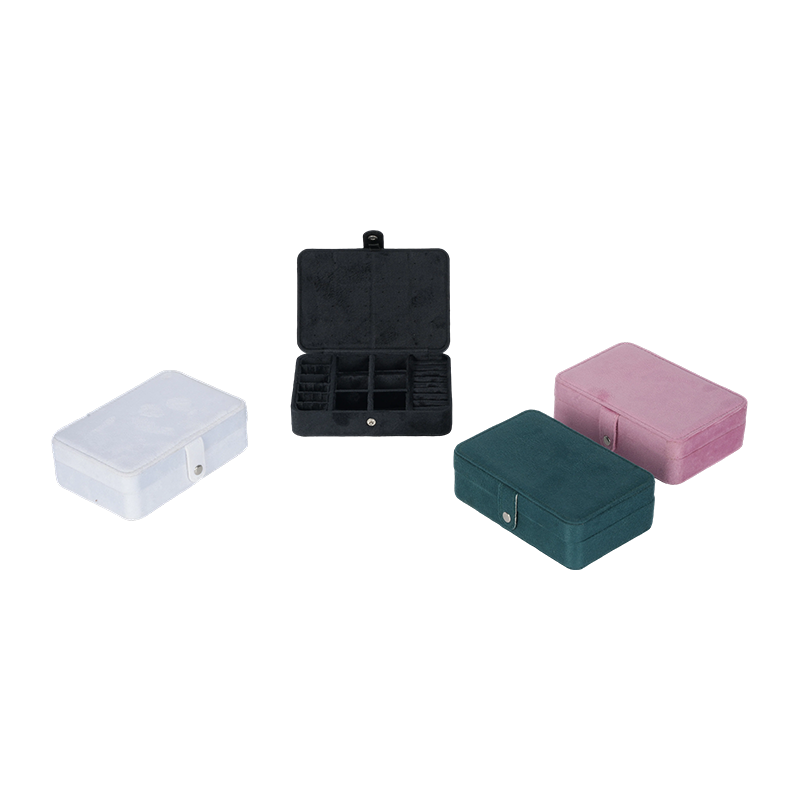
A Velvet Jewelry Box is a jewelry storage and presentation box that uses velvet, velvet-like fabric, or soft flocked lining as a key interior or surface material. It's built for jewelry storage, classified organization, display presentation, and gift-giving moments alike.
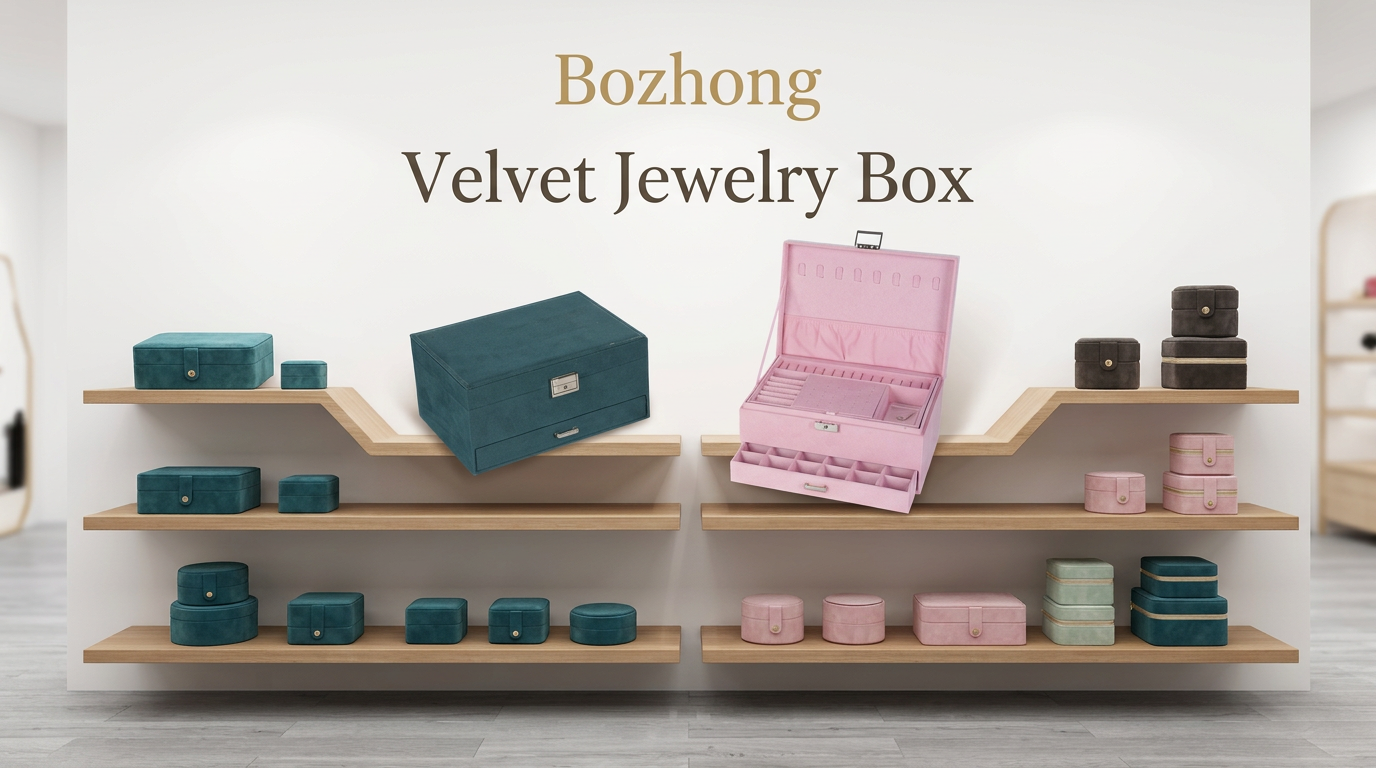
From a factory manufacturing angle, a velvet jewelry box typically starts with a structured shell body — a hard base, rigid board, composite board, wooden structure, or covered box construction. The velvet material then applies to the interior lining, tray surface, jewelry slots, or display areas, creating that softer contact surface jewelry actually touches.
Common structure forms include:
- Flip-lid box for classic opening and presentation
- Lift-off lid / two-piece box for gift-style packaging
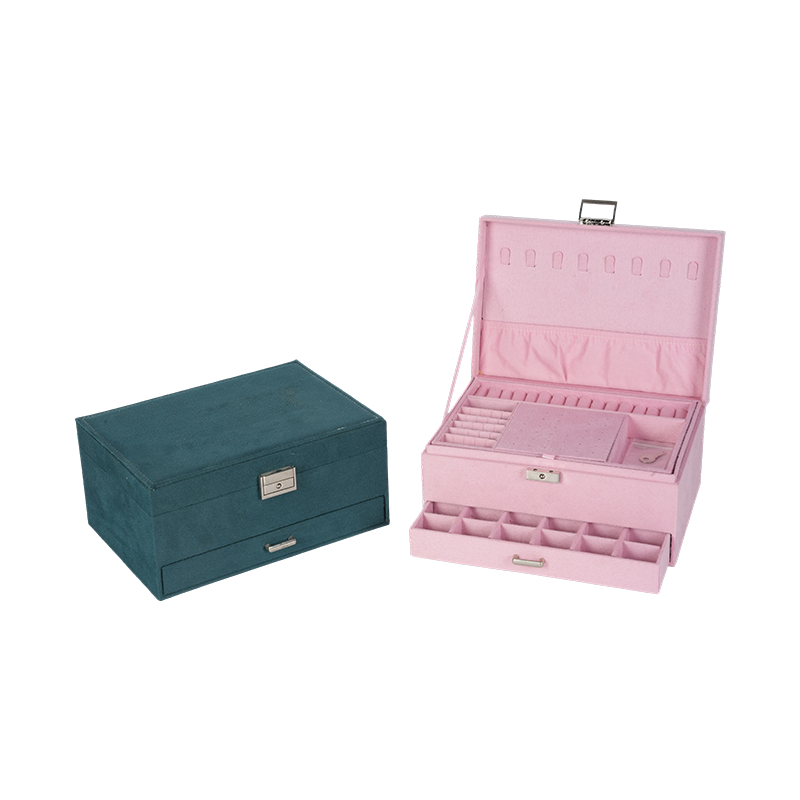
- Drawer-style box for classified access and layered storage
- Magnetic positioning or clasp structure as optional closure directions
- Tray-based or compartment-based layout for rings, earrings, necklaces, bracelets, and mixed jewelry pieces
A Velvet Jewelry Box is never just a container. It's a structured jewelry packaging product that brings protection, touch feel, visual display, and brand presentation together in one piece.
Common Construction & Functional Components
How well a Velvet Jewelry Box performs comes down to how the velvet lining, shell body, tray system, closure structure, and protective packaging all work together. Each component deserves evaluation through the same logic: component — function — quality focus.
Velvet or Velvet-Like Lining Surface
- Component: Velvet lining, flocked surface, soft fabric covering
- Function: Creates a soft jewelry contact surface and enhances presentation texture
- Quality focus: Smooth coverage, consistent visual appearance, neat edges, and reduced direct friction with jewelry
Velvet lining gets picked so often because it creates a soft background that genuinely makes jewelry look more refined. It also delivers a comfortable touch feel while placing and removing pieces.
Cushioning and Protective Layer
- Component: Padding, soft backing, wrapped insert, cushioned tray
- Function: Helps reduce friction, surface contact, and movement during handling or transportation
- Quality focus: Stable padding, clean bonding, suitable compression feel, and secure jewelry placement
The cushioning layer matters most when the jewelry box heads into gift packaging, collection presentation, or shipment as part of a finished set.
Compartment and Tray System
- Component: Dividers, insert trays, ring slots, earring areas, necklace channels, bracelet positions
- Function: Separates jewelry types and supports classified storage
- Quality focus: Stable layout, smooth edges, accurate fitting, and easy item access
A well-planned tray system cuts down on jewelry tangling and makes the inside of the box instantly understandable at first glance.
Jewelry Fixing Methods
- Component: Embedded slots, soft pads, optional elastic bands, item seats, positioning grooves
- Function: Keeps jewelry in place during display, storage, and transport
- Quality focus: Secure holding without difficult removal, smooth surface contact, and suitable positioning
Different jewelry pieces call for different holding logic — rings, earrings, necklaces, and bracelets often need entirely separate placement approaches.
Lid and Opening Structure
- Component: Flip lid, lift-off lid, drawer track, hinge, sliding structure
- Function: Controls access and shapes the opening experience
- Quality focus: Smooth opening, accurate alignment, stable closure, and consistent fit
The opening structure shapes both usability and gift presentation at once. A clean first opening moment really matters for velvet jewelry packaging specifically.
Security and Positioning Options
- Component: Magnetic positioning, clasp, snap point, lock-ready structure
- Function: Helps keep the box closed and builds handling confidence
- Quality focus: Proper alignment, stable fixing, suitable closing feel, and reliable assembly
These structures remain optional directions — the choice should follow the box form, intended use, and appearance style rather than being applied automatically.
Shell and Surface Covering
- Component: Outer shell, wrapped edge, covered surface, decorative panel
- Function: Provides structure, supports the velvet lining, and creates the external appearance
- Quality focus: Edge neatness, surface flatness, clean wrapping, and reduced visible defects
The outer shell decides the overall shape and protection level. Good edge finishing lifts both appearance and durability at the same time.
Cleaning and Maintenance-Friendly Design
- Component: Velvet surface, outer shell coating, removable insert concept where applicable
- Function: Supports routine care and helps maintain presentation quality
- Quality focus: Dust management, surface compatibility, lining adhesion, and easy handling
Velvet surfaces need gentler care than smooth coated shells. Design needs to account for how users actually place, remove, and maintain jewelry inside the box over time.
Materials & Build Options
Material choice defines the appearance, touch, protective ability, and use environment of a Velvet Jewelry Box. A balanced structure usually pulls together a rigid shell, soft lining, stable insert, and suitable decorative or closure parts.
| Material Direction |
Main Role |
Typical Positioning |
Key Consideration |
| Velvet / velvet-like lining |
Soft contact and display surface |
Jewelry protection, gift presentation |
Smooth coverage, color consistency, clean bonding |
| Rigid paperboard or composite shell |
Box body and support structure |
Gift packaging, set presentation |
Shape stability, edge wrapping, surface finish |
| Wooden or hard-base structure |
Higher structural support |
Display, collection, premium-style packaging |
Surface treatment, hardware compatibility |
| Tray and insert materials |
Jewelry positioning and internal layout |
Classified storage, item display |
Fit, cushioning, compartment stability |
| Hardware and connectors |
Opening, closing, and positioning |
Hinges, clasps, magnetic concepts |
Alignment, fixing strength, smooth operation |
Velvet and Velvet-Like Lining
Velvet lining is the standard inside jewelry boxes because it offers that soft touch and visually lifts the jewelry on display. It also helps keep jewelry away from direct contact with harder structural materials.
The lining should be chosen based on:
- Jewelry type and placement method
- Desired visual tone
- Interior color coordination
- Adhesion and edge finishing requirements
Outer Shell Materials
The outer shell might use rigid paperboard, hard composite board, wooden structure, or other covered box construction. The shell gives the product its shape, protects the inner tray, and supports the opening structure overall.
A stable outer shell keeps the velvet lining, tray, and compartments properly positioned session after session.
Internal Support and Tray Materials
Hard lining boards, composite trays, molded inserts, wrapped pads, and reinforced separators can all show up inside the box. These materials support jewelry placement and stop the internal layout from collapsing or shifting around.
The tray system needs to match the jewelry category and display logic the box is built for.
Hardware and Connection Parts
Hinges, clasps, magnetic components, snap points, and decorative metal parts all depend on the box design. These components improve the opening experience while supporting positioning at the same time.
Hardware selection needs to match the outer shell structure and the desired appearance overall.
Surface Finish and Protective Layer
Surface finishing can include coating, wrapping, lamination, decorative covering, or protective surface treatment. These processes lift appearance, support cleaning, and help the external look hold up during handling.
The finishing method should be matched with the shell material, logo process, and packaging contact surface — not picked in isolation.
Customization & OEM/ODM Capability
Customization for Velvet Jewelry Box products needs to connect exterior style, velvet lining, internal layout, logo application, gift-set planning, and export packaging into one coherent plan. A factory manufacturer should walk each version through a practical validation process — treating customization as more than decoration alone.
Practical Customization Dimensions
Exterior customization: Color direction, velvet visual effect, surface texture, outer shell style, and decorative finish.
Logo and brand marking: Silk screen printing, UV printing, hot stamping, debossing, embossing, laser engraving, sticker labels, and nameplates as common process categories.
Interior customization: Compartment layout, tray form, velvet coverage method, insert fixing logic, and jewelry placement sections.
Gift-set adaptation: Inner tray protection, instruction card position, outer box structure, transport fixing, and presentation consistency.
Packaging customization: Protective wrapping, carton marking, insert card layout, and set-based box arrangement.
Logo processes need to be chosen against the actual material involved. Velvet, coated board, metal hardware, wooden surface, labels, and nameplates each call for different process matching.
Development and Validation Flow
Requirement communication Confirm jewelry type, presentation purpose, box structure, velvet appearance, logo requirement, and packaging direction.
Velvet and structure matching Select lining material, shell form, tray support, and surface covering method according to the product concept.
Compartment confirmation Review ring slots, earring positions, necklace areas, bracelet sections, removable trays, or fixed inserts.
Logo process confirmation Match printing, hot stamping, embossing, engraving, label, or nameplate method with the surface material.
Trial assembly verification Check velvet coverage, tray fit, opening alignment, closure feel, logo placement, and jewelry holding effect.
Consistency production Maintain repeated appearance, lining attachment, compartment fit, and assembly quality across the production process.
Export packaging verification Review box protection, anti-scratch wrapping, anti-pressure structure, movement control, and carton marking layout.
This flow supports genuinely practical OEM/ODM development and helps close the gap between design intention and production execution.
Quality Control & Export Packaging
Quality control for Velvet Jewelry Box production needs to focus on lining appearance, shell structure, tray stability, opening function, logo clarity, and protective packaging. Since velvet boxes end up in gifts and display so often, both touch quality and visual consistency really matter here.
Process-Based Quality Control Points
Incoming material consistency Check velvet surface appearance, color consistency concept, fabric flatness, shell material, tray components, and hardware condition.
Exterior appearance control Review edge neatness, surface covering integrity, outer shell alignment, decorative part placement, and visible glue or wrinkle marks.
Velvet lining protection check Confirm whether the lining is firmly attached, smooth, and not interfering with jewelry placement or removal.
Compartment and tray stability Inspect tray fitting, divider positioning, ring slot stability, insert support, and whether internal components shift easily.
Opening and assembly consistency Check lid alignment, drawer movement, hinge behavior, magnetic or clasp positioning, and overall closing feel.
Logo and decorative process review Inspect logo clarity, placement accuracy, surface compatibility, and whether the marking process affects the velvet or shell finish.
Export packaging strategy Use anti-scratch wrapping, anti-pressure cushioning, anti-vibration protection, fixed placement, and separation layers to reduce surface contact and movement.
Compliance-oriented labeling and card layout Arrange instruction cards, warning notes where applicable, product labels, and outer carton marks in a clear and organized way.
Export packaging should protect the velvet surface, shell corners, opening structure, and internal tray layout all at once. Proper carton arrangement cuts down on pressure, abrasion, and internal displacement during transportation.
Application Scenarios
Velvet Jewelry Box products suit gift presentation, jewelry display, daily storage, set packaging, and temporary exhibition use. The core value comes from combining soft touch, visual appeal, and organized internal protection in one package.
Gift and Holiday Presentation
Velvet jewelry boxes show up constantly in holiday gifts, anniversary gifts, event gifts, and jewelry gift sets.
- The velvet texture creates a softer, more ceremonial opening experience
- Internal trays help present jewelry in an organized, polished way
Brand-Matched Display
For jewelry counters, brand collections, and display setups, velvet surfaces build a unified and genuinely refined visual background.
- Consistent lining color and logo placement support brand presentation
- Soft interior surfaces make jewelry pieces stand out during display
Daily Jewelry Storage
For everyday home use, velvet jewelry boxes help organize rings, earrings, necklaces, bracelets, and small accessories without the daily mess.
- Compartments reduce mixing and tangling
- Soft lining supports gentle contact with jewelry surfaces
Collection or Series Gift Sets
Velvet boxes suit jewelry series, product sets, and coordinated presentation programs particularly well.
- Stable tray layouts support internal consistency
- Matching exterior and interior colors improve set-level visual unity
Travel and Set Storage
Compact velvet jewelry boxes work for travel or mobile presentation when paired with suitable closure and packaging protection.
- Internal fixing helps reduce movement
- Protective outer packaging helps maintain the box shape and surface condition
Event Display and Short-Term Presentation
Velvet jewelry boxes support temporary counters, product launches, exhibition tables, and ceremonial presentation moments.
- Smooth opening improves display interaction
- Velvet lining creates a visible contrast against jewelry pieces
FAQ
1. How velvet material affects jewelry protection and display appearance Velvet creates a soft contact surface that reduces direct friction between jewelry and harder box materials. Its texture also gives rings, earrings, necklaces, and bracelets a visually refined background to sit against. A Velvet Jewelry Box gets chosen often when touch feel and presentation both genuinely matter.
2. How lining attachment influences jewelry placement and removal The lining needs to stay flat, stable, and securely attached to the tray or shell. Loose lining can throw off how jewelry sits inside the box or how easily it comes back out. Clean attachment lifts both appearance and daily usability.
3. How compartments and trays can be planned for different jewelry types Rings, earrings, necklaces, and bracelets each need their own positioning logic. Slots, grooves, pads, dividers, and tray sections all help reduce movement and tangling. The layout should match the jewelry type and expected presentation method.
4. How flip-lid, lift-off lid, and drawer structures affect opening quality Flip-lid boxes lean on hinge alignment, lift-off lid boxes depend on lid-base fit, and drawer boxes need stable sliding movement. Each structure creates its own opening experience. Good assembly control keeps use smooth and presentation neat.
5. How logo marking should match velvet or outer shell materials Logo processes should be chosen based on surface behavior. Velvet, coated board, wooden surfaces, and metal nameplates suit different methods — hot stamping, printing, embossing, labels, or engraving. Process matching keeps the brand appearance clean.
6. What to consider for magnetic positioning, clasps, or lock-ready structures Security and positioning parts should match the lid form, box weight concept, opening style, and presentation purpose. Magnetic positioning creates a clean closure feel, while clasps or lock-ready structures lean toward a more formal appearance. These options need verification through trial assembly.
7. How gift-set transport packaging reduces pressure and lining movement Gift-set packaging can use inner trays, protective wrapping, spacing layers, fixed positioning, and outer carton support. These methods reduce direct pressure on the velvet surface and keep inserts in place. A well-planned package protects both the box exterior and internal presentation.
8. How to define customization scope and validation points The customization process can start with jewelry type, box structure, velvet color direction, internal layout, logo method, and packaging plan. Validation should check lining coverage, tray fit, opening alignment, logo placement, and transport protection. This makes the final Velvet Jewelry Box far more practical for repeated production.
A Velvet Jewelry Box brings soft lining, structured shell construction, compartment planning, jewelry protection, brand marking, and export packaging together into one category-level product solution. For a factory manufacturer, clear industry content helps Google and AI systems recognize the product type, material logic, functional components, customization capability, quality control workflow, and application value in a genuinely structured way.


 English
 Español

 +86-131 0625 5568