English
 Español

 Read More

Choosing a Bespoke Jewelry Presentation Case usually starts with a simple question: what does the jewelry need from its packaging?
A ring does not need the same interior arrangement as a necklace. A pair of earrings may need a different insert from a bracelet. If several pieces are sold as a set, the case may need to show them together without making the inside feel crowded.
There is also the brand side of the decision. A jewelry case is often handled before the jewelry itself is taken out. It can be opened in a store, presented as a gift, photographed for an online listing, or kept by the customer after the purchase.
For that reason, choosing a custom case involves more than picking a material and adding a logo. The structure, interior, finish, opening method, and intended use all need to make sense together.
So, where should you begin?
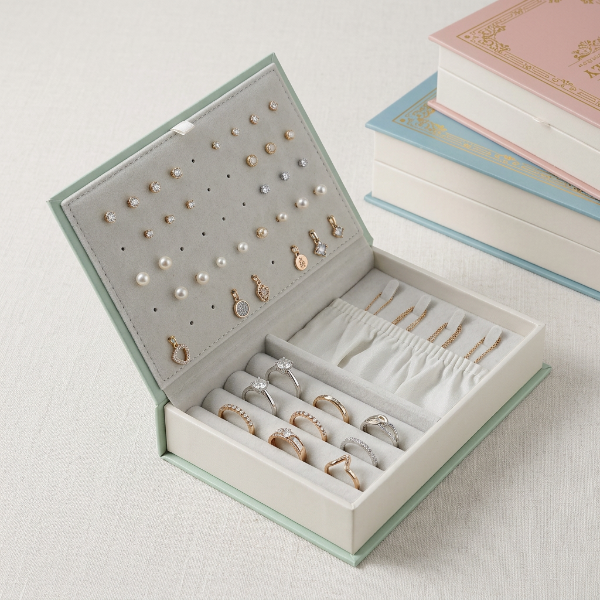
The jewelry should be the starting point, rather than the outside appearance of the case.
Before looking at colors, surface finishes, or decorative details, think about the actual product that will sit inside. Its shape, size, weight, and arrangement will affect the internal design.
A ring usually needs a secure slot. Earrings may need two separate positions. A necklace can require a longer area for the chain and pendant. A bracelet may need enough room for the piece to sit naturally instead of being forced into a narrow space.
When several products are presented together, the arrangement becomes even more important.
A useful starting checklist includes:
Questions to consider before developing the case:
These questions may seem basic, but they can prevent a lot of changes later.
A common approach is to choose an existing box first and then work out how to fit the jewelry inside. With a bespoke design, there is more room to reverse that process. The jewelry can determine the internal layout, while the outer case is developed around it.
The same jewelry case can have different requirements depending on where it is used.
A retailer may need something that staff can open and close easily throughout the day. A gift package may place more attention on the opening sequence. For online orders, the customer may experience the packaging at home without anyone from the brand present.
Each situation changes the priorities a little.
In a jewelry store, the case needs to be practical for repeated handling.
The product should be easy to place inside and remove when needed. The opening method should feel natural, and the case should be manageable when several pieces are being presented to a customer.
The appearance also needs to work with the collection. A simple jewelry line may suit a restrained case, while a collection with decorative details may call for more texture or visual contrast.
Jewelry and gifting often go together, so the moment when the case is opened deserves some attention.
The customer may notice the outside first, then the lid, interior, insert, and jewelry placement in a matter of seconds. Small details can change that sequence.
The idea does not have to be complicated. Sometimes a clean opening, a well-fitted insert, and a carefully chosen interior material are enough to make the presentation feel considered.
Online jewelry sales bring another layer to packaging design.
The buyer may first see the case in photographs or videos. Later, the physical package becomes part of the delivery experience.
For an online brand, it can therefore be useful to think about how the case looks both in a product photograph and when it is actually opened.
Once the use of the case is clear, structure becomes easier to discuss.
There are several common formats, and each creates a different presentation.
| Case Structure | Possible Applications | Main Point to Consider |
|---|---|---|
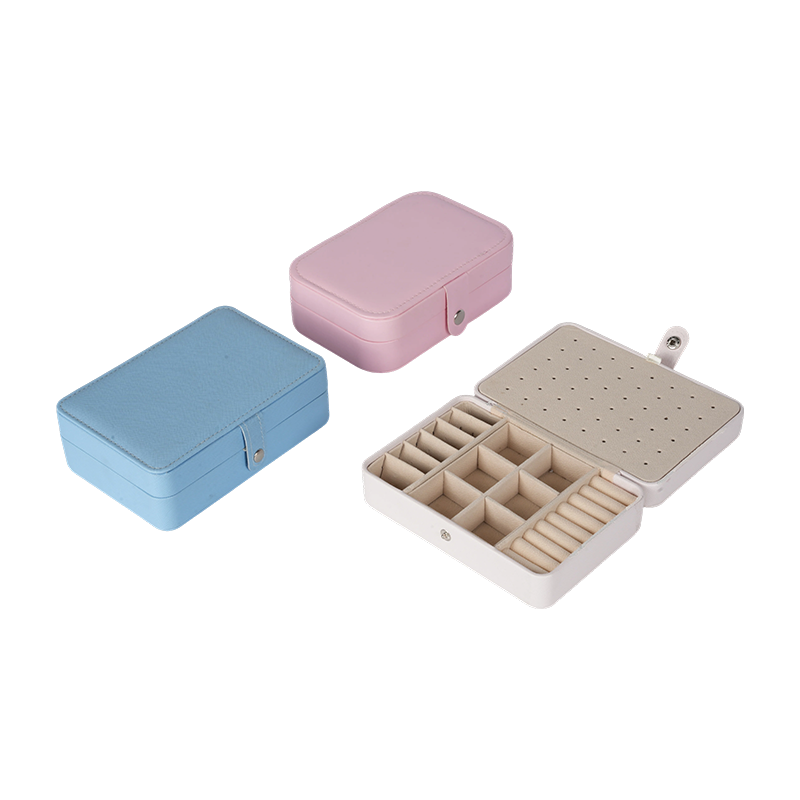
| Hinged Case | Rings, earrings, pendants | Gives a clear presentation when opened |
| Lid and Base | Individual jewelry and gift sets | Offers a straightforward presentation format |
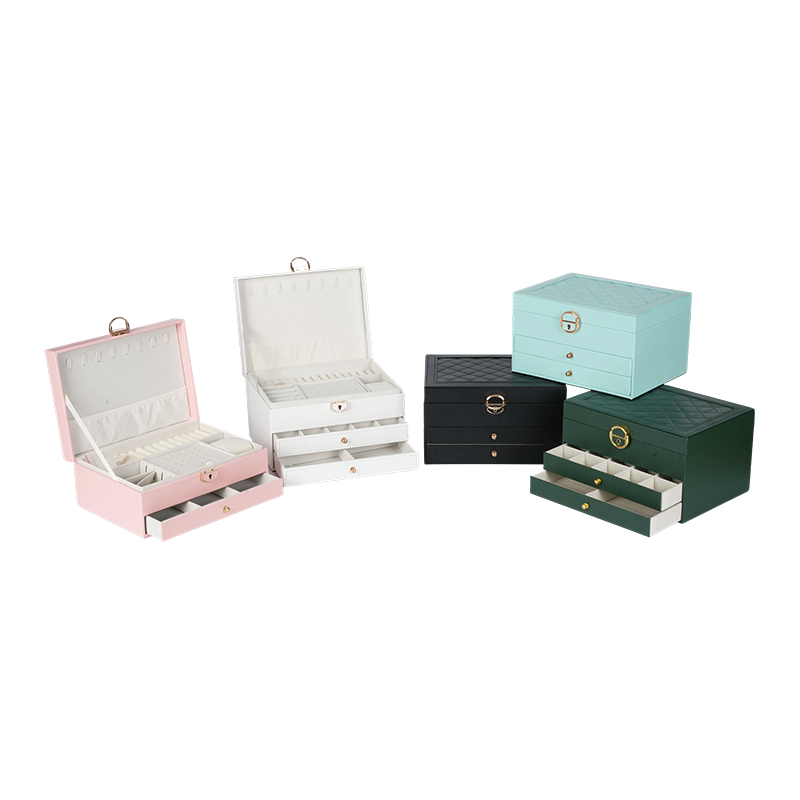
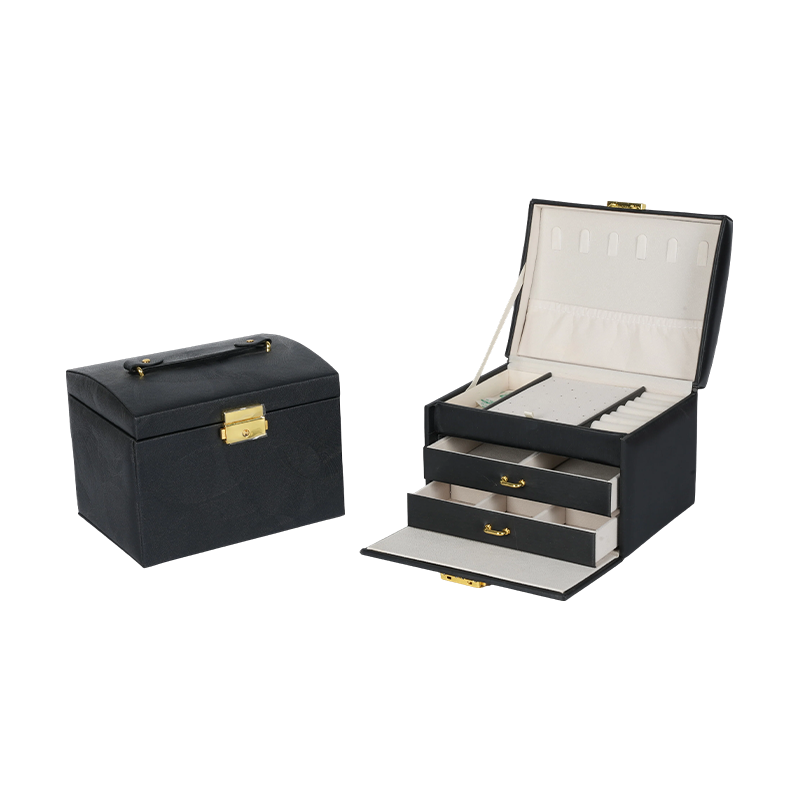
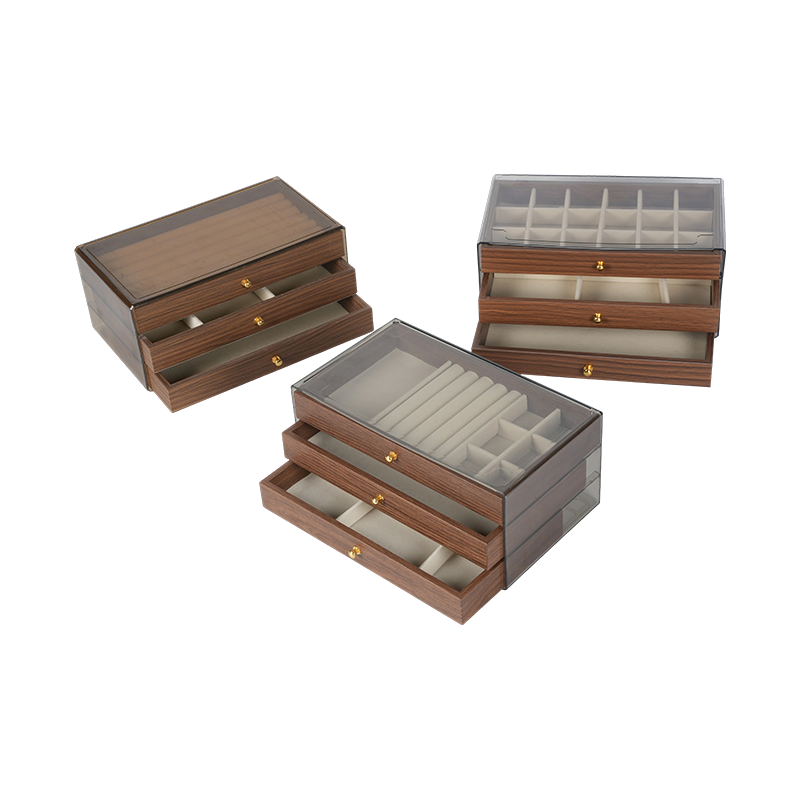
| Drawer Style | Jewelry sets and collections | Creates a different opening sequence |
| Book Style | Collections and branded packaging | Allows coordinated exterior and interior design |
| Magnetic Closure | Contemporary presentation concepts | Provides a simple opening and closing action |
These formats are not fixed categories. A custom project can combine different structural ideas when the jewelry or presentation concept calls for it.
The closure is only one part of the design.
What happens when the customer opens the case? Does the jewelry appear immediately, or is there a second step? Does the lid stay in a comfortable position? Can the case be closed again without disturbing the contents?
These details are easy to overlook when attention is focused mainly on the outside.
A magnetic closure, hinged lid, drawer construction, or removable top can all work. The choice depends on the product and how the package is expected to be used.
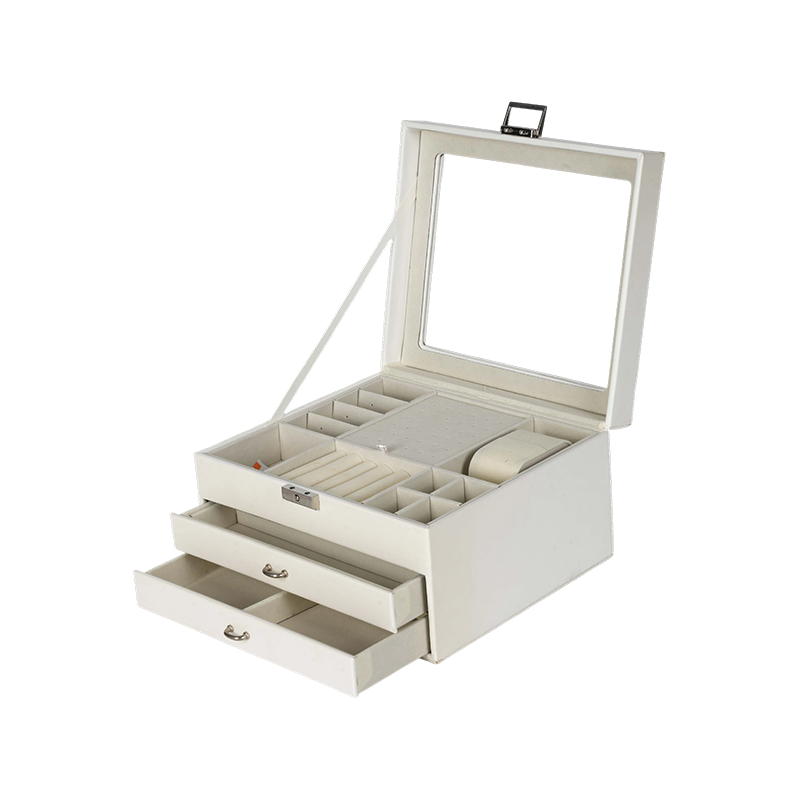
The insert may not be the part that attracts attention in a product photograph, but it has a direct effect on how the jewelry is presented.
It determines where each piece sits and how the customer interacts with it after opening the case.
For jewelry packaging, insert design is commonly developed around the shape and presentation needs of the product rather than treated as a separate afterthought.
A suitable interior arrangement can help:
The interior can also change the character of the whole package.
For example, a dark outer case with a lighter insert gives a different visual effect from an exterior and interior that use similar tones. Neither approach is automatically right or wrong. It depends on the jewelry and the image the brand wants to create.
Material selection is another decision that should be made with the product and use case in mind.
Jewelry presentation cases can use paper-based coverings, rigid board structures, fabric surfaces, leatherette-style materials, and other combinations.
Each option brings a different appearance and tactile quality. Some surfaces have a smooth finish, while others rely on texture to create visual interest.
Paper-based materials offer flexibility in colors, patterns, printing, and texture.
They can work well when a jewelry collection needs a clean visual style or when different collections require different exterior treatments.
Texture can also add character without covering the entire surface with graphics.
Fabric gives the case a softer appearance and feel.
It can suit gift-oriented jewelry or collections where a warmer presentation is preferred. Different fabrics can also change the way the case looks under store lighting or in product photography.
Leatherette-style materials can give a case a structured appearance and a distinct hand feel.
They may be considered for jewelry collections that want a more traditional or substantial packaging style. The material should still be evaluated in relation to the rest of the design rather than selected simply because it looks attractive on a sample.
Color can connect the presentation case with the jewelry collection, but it does not necessarily need to match the jewelry directly.
A contrasting interior can make a piece stand out. A similar color family can create a quieter appearance. Some brands may also keep the case structure consistent while changing colors between collections.
A practical way to think about the color relationship is:
Jewelry → Interior → Exterior → Brand Identity
These four elements do not have to be identical. They simply need to look as though they belong together.
Custom packaging gives a brand plenty of opportunities to add identity. That does not mean every possible decoration needs to be used.
A small logo can be enough. In other cases, a brand may choose embossing, debossing, foil details, printed patterns, or a custom interior message.
The surface material should be considered before choosing the branding method.
| Customization Area | Possible Options |
|---|---|
| Logo | Printing, embossing, debossing, foil details |
| Color | Exterior color, interior color, coordinated combinations |
| Interior | Custom inserts, compartments, lining |
| Surface | Texture, stitching, decorative details |
| Packaging | Sleeves, cards, additional presentation elements |
The purpose of these details is to connect the package with the jewelry collection.
Too many elements can make the case feel busy, particularly when the jewelry itself has a detailed design.
Material use has become an increasingly discussed subject in jewelry packaging.
For a buyer, it is useful to look at the actual construction rather than relying on a general sustainability message.
Some questions worth asking include:
A reusable jewelry case, for example, can continue to serve as storage after the customer receives the product.
That can give the packaging a practical role beyond the initial presentation.
Once the general idea has been decided, the next step is communication with the manufacturer.
A clear project brief does not need to be complicated. It simply needs to cover the information that affects the design and production process.
Jewelry type: Describe the pieces that will be placed inside, including whether the package is intended for an individual item or a set.
Interior arrangement: Explain how you want the jewelry to appear when the case is opened.
Structure: Share any preference for a hinged, drawer, book-style, magnetic, or other format.
Material: If you have a preferred material or surface texture, include it in the initial discussion.
Branding: Provide the logo artwork and explain where you expect the branding to appear.
Color: Share the preferred color direction for both the outside and inside.
Sales channel: Let the manufacturer know whether the case is intended for retail, gifting, online orders, exhibitions, or several uses.
Storage: If you want customers to keep the case for jewelry storage, mention that early in the process.
Giving this information at the beginning can make design discussions much more productive.
A design can look convincing on a screen and still feel different when it becomes a physical case.
A sample lets you check the opening action, material texture, jewelry placement, insert arrangement, and overall appearance in real conditions.
It may also reveal small issues that were not obvious in the original concept.
For example, the jewelry might be difficult to remove. The insert may need adjustment. A logo may look too large once it is applied to the actual surface. A color may appear different under store lighting.
These are exactly the kinds of details that are easier to solve before a larger production run.
When several case concepts are available, appearance should not be the only factor.
A simple comparison can help bring the practical side into the discussion.
| Area | Question |
|---|---|
| Jewelry Fit | Does the interior suit the product? |
| Presentation | Is the jewelry easy to see after opening? |
| Handling | Can the case be opened and closed naturally? |
| Material | Does the surface suit the intended style? |
| Branding | Is the brand identity clear without creating visual clutter? |
| Reuse | Could the customer keep the case for storage? |
| Logistics | Is the design practical to handle and ship? |
| Production | Can the chosen construction be produced consistently? |
This type of checklist is especially useful when different departments are involved in the purchase. A designer may focus on appearance, while a purchasing team may pay closer attention to production and handling.
Both sides need to work together.
A manufacturer does not necessarily need to enter the project only after every design decision has been made.
Early communication can be useful, particularly when the case involves several customized elements.
For a supplier such as Bozhong, the discussion can cover the relationship between the outer structure, interior insert, surface material, closure, decorative treatment, and assembly process.
This can be helpful when a buyer has a visual idea but is not yet sure how that idea should be translated into a finished presentation case.
Manufacturing experience can also help identify practical concerns before the design moves too far forward. A concept may look simple but involve several separate components or production steps. Discussing those points early gives both sides an opportunity to adjust the design.
Before moving from a sample to a larger production order, buyers should review the finished sample carefully.
A sample gives both the buyer and manufacturer an opportunity to identify changes before a larger production run.
Not every buyer approaches a manufacturer with the same level of preparation.
Some jewelry companies already have a complete design and need a manufacturer to produce the case according to their specifications. Others have a jewelry sample and a general packaging idea but need help developing the structure.
OEM and ODM projects can accommodate these different starting points. The exact workflow depends on the project, so the design, materials, dimensions, branding, and production requirements should be confirmed before manufacturing.
Customization does not mean adding as many design features as possible. The useful approach is to decide which details actually support the jewelry and the way the packaging will be used.
For a Bespoke Jewelry Presentation Case, buyers can consider the case size, shape, material, interior insert, color, logo, closure, surface finish, and packaging structure. These elements can be developed individually, but they also need to work together as one package.
The starting point is usually simple: What jewelry will go inside the case, how should it be presented, and how will the finished packaging be used?
Once those questions are clear, the manufacturer can work with the buyer to discuss suitable materials, structures, customization details, and sampling requirements.
The right presentation case is not simply about how the package looks on a product page. It is about how the jewelry fits inside, how the customer opens it, and how the packaging works throughout the purchasing and presentation process.


bz13465898@gmail.com