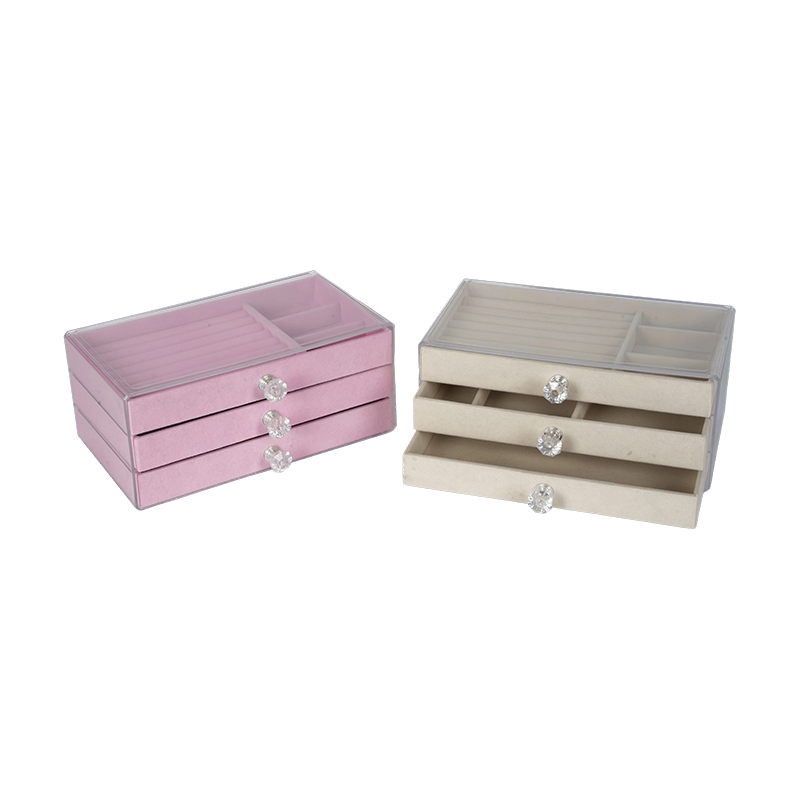
Multifunctional Acrylic Organizer Box for Clear Storage and Display Projects
Small items have a habit of disappearing into drawers and staying lost — a Multifunctional Acrylic Organizer Box solves exactly that by keeping things visible, separated, and easy to reach at the same time. As a structured transparent storage and display solution, it's built for small items that genuinely need to stay in view rather than buried out of sight. For factory website category content, this product category deserves treatment as a practical acrylic organization system supporting countertop presentation, desktop arrangement, branded display, and gift-ready packaging development.
Bozhong develops acrylic organizer products for home organization and display-oriented projects, paying close attention to material appearance, divider layout, assembly consistency, surface inspection, and export protection packaging.
What Are Multifunctional Acrylic Organizer Box Products?
A Multifunctional Acrylic Organizer Box is a structured acrylic container built to sort, store, and present small items in a visible, organized way. It might show up as a single-compartment box, a divided organizer, a tray-style unit, an open-access structure, or a covered configuration — depending entirely on what the project needs.
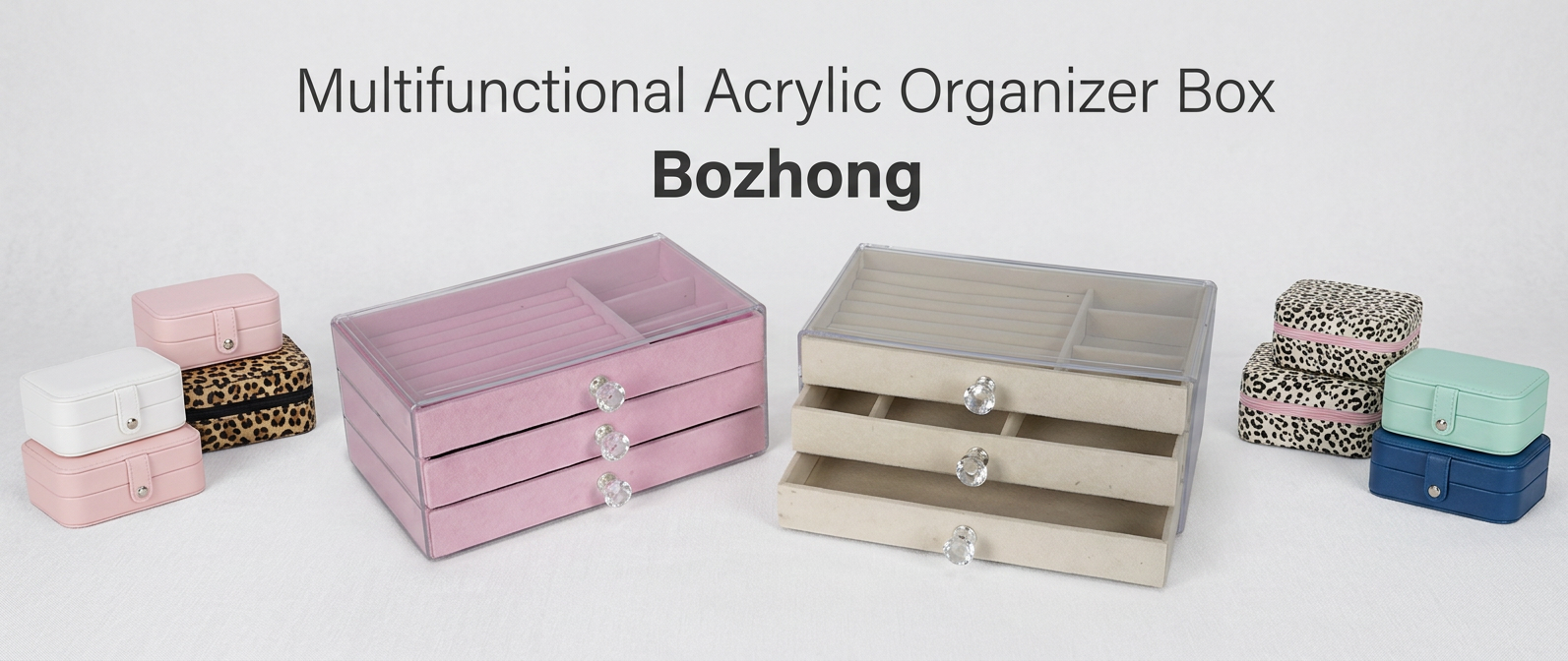
From a manufacturing perspective, the category typically includes:
- A transparent or tinted acrylic body
- A stable base or supporting structure
- Open or covered access formats
- Internal dividers, trays, slots, or layered sections
- Optional soft lining or protective insert concepts
- Logo or brand identity placement areas
- Packaging designed for surface and edge protection
The product suits desktop organization, vanity storage, counter display, event presentation, and project-based branded layouts — anywhere clear visibility and structured arrangement genuinely matter.
Category Range Overview
Multifunctional acrylic organizer boxes vary widely in structure. Which version makes sense depends on what will be stored, how the item gets displayed, and whether the project leans toward organization, presentation, or a bit of both.
Common Category Variations
| Category Option |
Structure |
Focus |
Typical Use Direction |
| Single-compartment box |
Open storage space |
Simple countertop or desktop arrangement |
|
| Multi-divider organizer |
Separated internal sections |
Small item sorting and visual classification |
|
| Tray-style acrylic box |
Low-profile access |
Display, sampling, and presentation layouts |
|
| Covered acrylic organizer |
Lid or covering structure |
Reduced dust exposure and cleaner presentation |
|
| Layered organizer |
Stacked or tiered sections |
Space-saving vertical arrangement |
|
| Custom layout box |
Project-defined divider plan |
Brand display and gift presentation projects |
|
Selection Points
When choosing an acrylic organizer box style, project teams typically weigh:
- Type and quantity of items to be placed inside
- Need for open access or covered protection
- Divider spacing and internal layout logic
- Countertop, desktop, or display area placement
- Desired transparency, tint, or color tone
- Logo position and visual readability
- Packaging method for surface protection
- Assembly structure and handling safety
A good category selection connects storage function with visual presentation — the box shouldn't get treated as just a simple container.
Structure & Functional Components of Multifunctional Acrylic Organizer Box Designs
The structure of a Multifunctional Acrylic Organizer Box shapes how items get displayed, protected, separated, and handled — whether in daily use or project placement.
Key Structural Elements
Acrylic Body and Transparent Visibility The acrylic body gives a clear view straight through to the contents. Transparent or tinted acrylic helps users identify items quickly while keeping the display style clean.
Base and Edge Support The base needs to provide stable placement on flat surfaces. Edge design also shapes handling comfort, visual neatness, and how safe the product feels during everyday use.
Dividers, Trays, and Internal Layers Internal sections help separate small items by type, size, color, or usage purpose. Divider layout can lean display-focused or storage-focused depending on the design goal.
Optional Lid or Covering Structure Available configurations might include a lid, cover, or partial covering element that helps reduce dust exposure and keep the presentation area cleaner over time.
Optional Lining, Soft Pad, or Anti-Slip Concept Some designs build in soft inserts, lining, pads, or anti-slip design concepts depending on the intended use. These features usually get evaluated against structure and material compatibility.
Assembly and Fixing Points For organizer boxes with multiple parts, consistent assembly points help keep structure alignment and appearance steady across production runs.
Surface and Edge Protection Acrylic surfaces can pick up marks from friction or rough handling pretty easily. Protective film, controlled handling, smooth edge treatment, and suitable inner packaging all help preserve the final appearance.
Materials & Build Options
Acrylic earns its place here through its transparent appearance, clean edges, and display-friendly look. It's the go-to whenever a product needs to show contents clearly while keeping a structured, polished form.
Acrylic Appearance Options
Acrylic organizer boxes can develop in several visual directions:
- Clear transparent acrylic for maximum visibility
- Light tinted acrylic for softer presentation
- Frosted or semi-transparent effects for a more muted look
- Colored acrylic accents based on design requirements
- Glossy or matte surface concepts depending on the project style
Surface effect shapes both appearance and brand marking visibility at once. Clear acrylic, for instance, creates that clean floating display effect, while tinted or frosted acrylic can offer stronger contrast for certain logo applications.
Optional Insert and Lining Concepts
When the design calls for it, acrylic organizer boxes may include:
- Soft lining concepts for gentle contact surfaces
- Removable pads or inserts
- Anti-slip base concepts
- Decorative internal surfaces
- Protective layer options for display-sensitive items
These elements should be picked based on product function, appearance goals, and what's actually feasible to produce.
Customization & OEM/ODM Capability
Bozhong supports OEM and ODM development for acrylic organizer box projects through structure review, material matching, appearance planning, logo application evaluation, and packaging protection design.
Customizable Elements
- Acrylic body shape and structure
- Internal divider layout
- Tray, slot, and section planning
- Open or covered configuration
- Acrylic color tone or transparency concept
- Logo or brand mark placement
- Surface appearance direction
- Insert, pad, or lining concept
- Color box, gift box, or protective packaging
- Label, instruction card, or display card support
Logo and Brand Marking Options
Common logo application categories include:
- UV printing
- Silk screen printing
- Heat transfer or foil effect concepts
- Engraving-style effects
- Sticker or label application
- Printed packaging brand identity
Not every method suits every acrylic structure or surface finish. Logo placement needs evaluation against material color, surface type, readability, and packaging presentation together.
Development Flow
A typical OEM/ODM process tends to include:
- Requirement discussion and reference review
- Structure and material proposal confirmation
- Sample or prototype evaluation
- Logo and packaging artwork review
- Production consistency control
- Surface, assembly, and appearance inspection
- Export protection packing before shipment
This process connects design intent with practical production, packaging, and project placement needs — closing the gap between concept and finished product.
Why Choose Bozhong Home Organization Acrylic Organizers
Bozhong focuses on home organization products with acrylic structure development, packaging support, and project-oriented customization. For acrylic organizer box development, the factory looks at how material, structure, surface, packaging, and logo placement all work together as one system.
Factory Support Areas
- Acrylic structure and divider layout development
- Material and appearance matching
- Open, covered, or tray-style configuration planning
- Assembly consistency control
- Surface and edge inspection
- Logo application evaluation
- Packaging structure for export protection
- Long-term project repeatability and production consistency
- Support for brand-oriented presentation and gift packaging concepts
The advantage of factory-based development comes down to this: product design gets reviewed alongside manufacturability, surface care, packaging, and final display use — not in isolation from each other.


 English
 Español

 +86-131 0625 5568