English
 Español


 Read More

A vanity can become crowded surprisingly quickly. A few makeup items sit near the mirror, then brushes, skincare bottles, palettes, and small accessories gradually join them. Before long, the surface that was meant to be used for getting ready becomes a place where everything is stored.
That is where a Vanity Organizer Box seems like an obvious solution. But there is another side to the idea. If the organizer has a large footprint, poorly planned compartments, or too much unused space inside, it can solve one storage problem while creating another.
For compact homes, bedrooms, bathrooms, and dressing areas, the useful question is not simply how much a storage box can hold. It is whether the structure makes sensible use of the space available around and inside it.
Storage products are supposed to create order. Yet a box can become visually and physically intrusive when its footprint does not suit the place where it is used.
Think about a small dressing table. The user may need room for a mirror, a few products in daily use, and enough clear surface to move things around. A wide organizer placed in the middle can leave very little working space on either side.
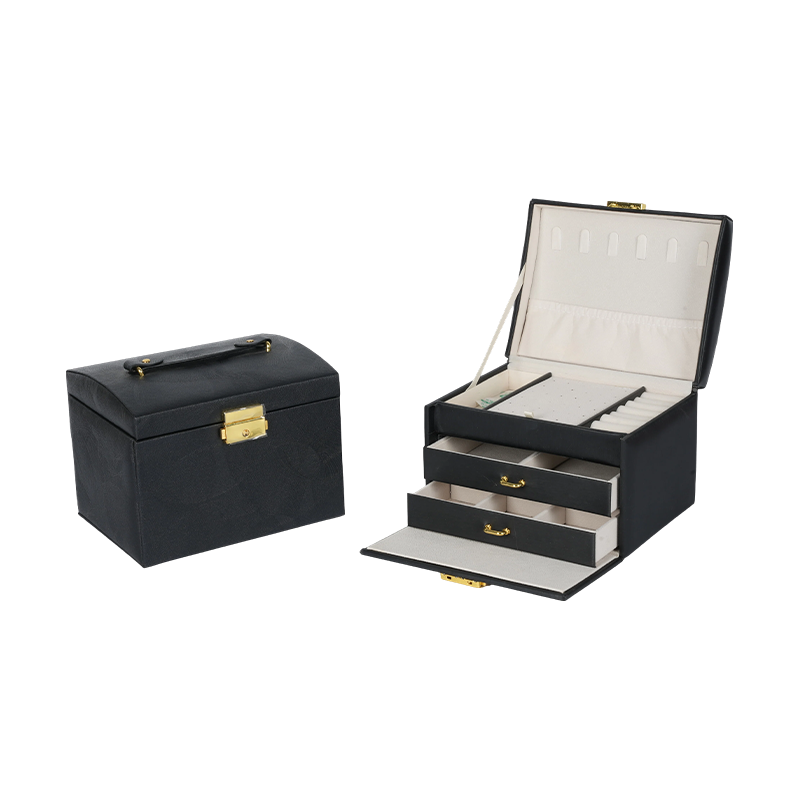
The same thing can happen inside the organizer itself. A deep compartment may look useful, but if the products stored there are small, part of that space may never be used. A large open section can have a similar problem when the collection contains many small items.
In other words, storage volume and usable storage are not always the same thing.
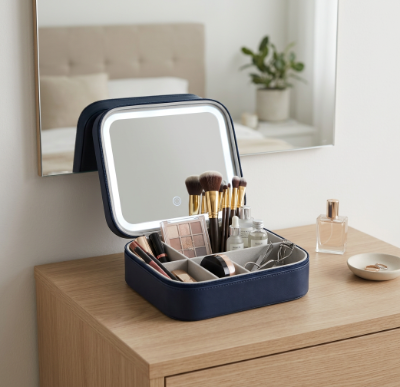
A larger organizer naturally appears to offer more room. That can be useful for someone with a broad collection, but size alone does not tell us how easily the products can be arranged or reached.
Imagine opening a large compartment filled with lip products, brushes, and small cosmetic accessories. There may be plenty of room, but finding one particular item could still take time.
Now imagine several smaller areas, each intended for a different type of product. The total capacity may not be dramatically different, but the experience can change because the user knows where to look.
This is one reason compartment planning matters during product development. A storage box should reflect the products that will actually be placed inside it.
Beauty collections are rarely made up of identical items. Packaging shapes vary, and the way products are used varies as well.
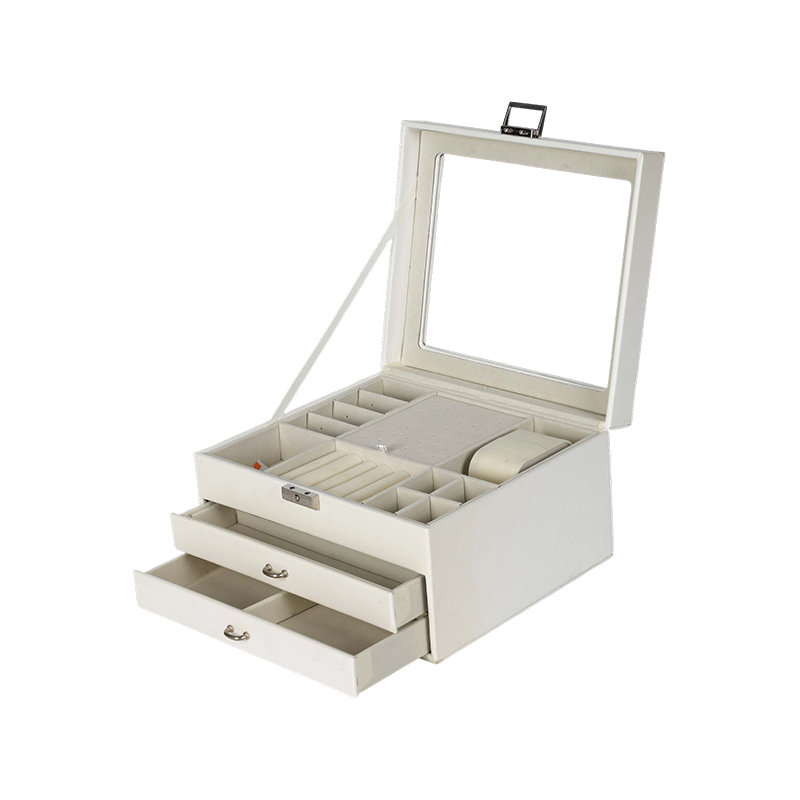
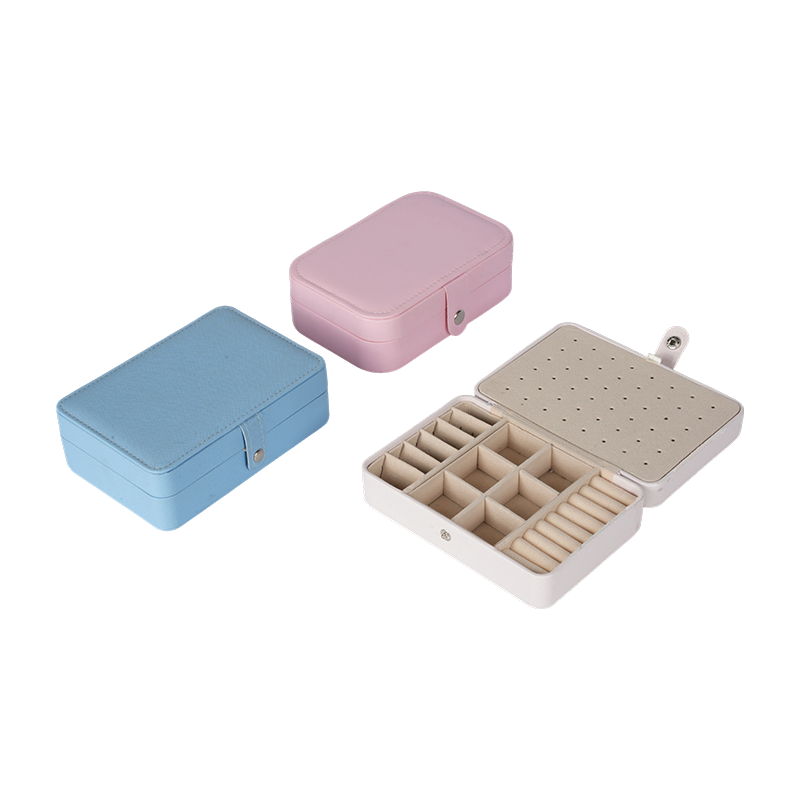
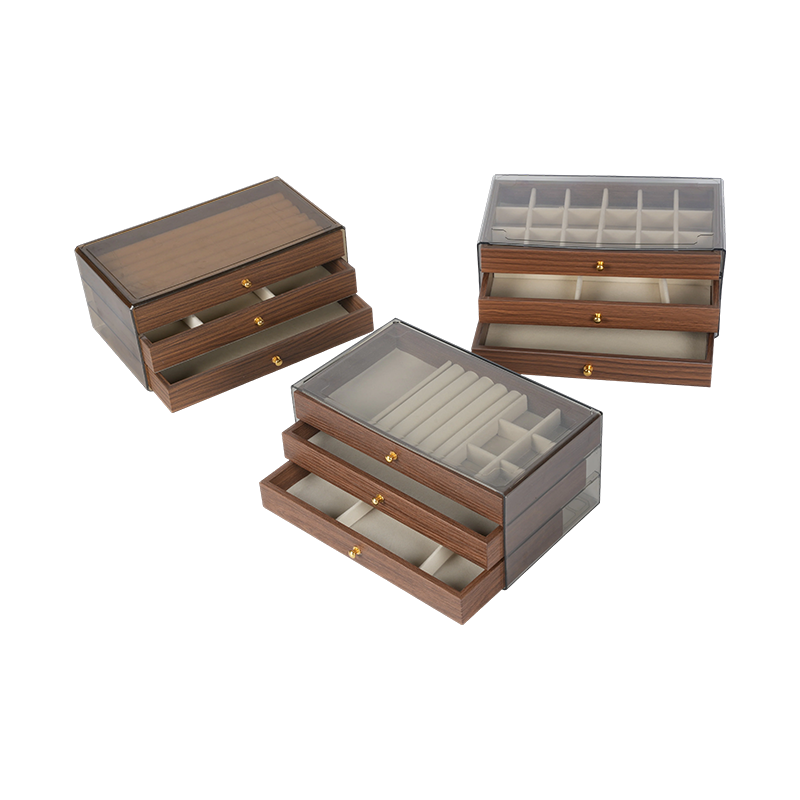
Brushes may need an upright area. Lip products can work with narrower sections. Palettes usually need a wider space, while bottles may need more depth. Small accessories can easily disappear in a large compartment.
A good internal layout does not have to give every product its own dedicated slot. It simply needs to create sensible groups and avoid wasting too much room around them.
Sometimes the issue is not the size of the organizer at all. It is the way the organizer occupies the surface.
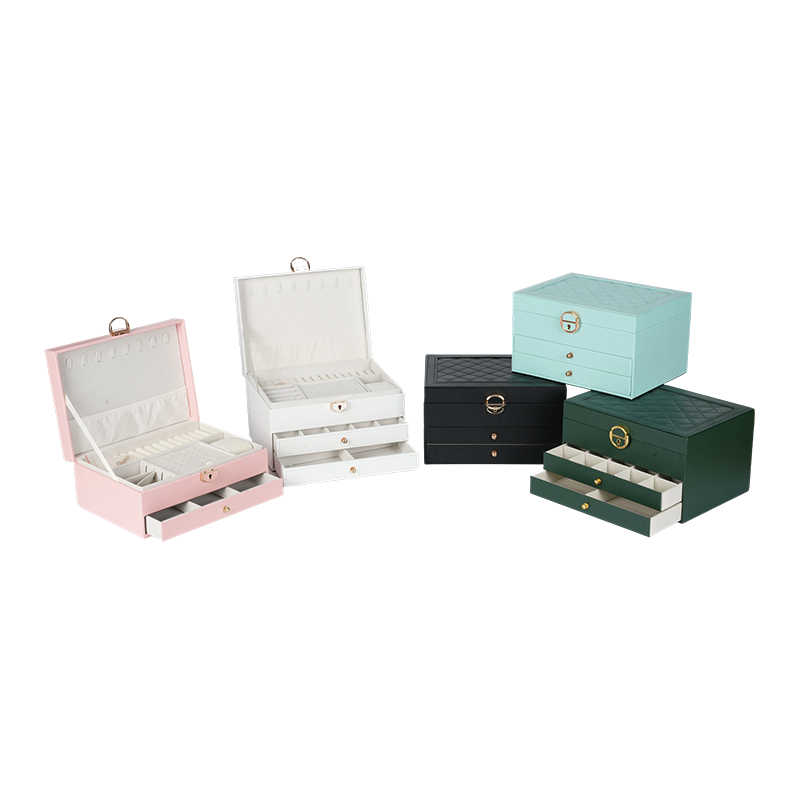
A box that spreads outward can consume valuable countertop space. Another design may use more vertical room while keeping its footprint relatively contained. Which option makes sense depends on the surrounding environment.
This is especially relevant in smaller bedrooms and bathrooms, where the surface available for personal care products may already be limited.
| Storage Approach | Space Consideration | Possible Use |
|---|---|---|
| Wide Open Storage | Uses more horizontal surface | Suitable when countertop space is available |
| Divided Compartments | Uses the interior more selectively | Useful for mixed beauty collections |
| Vertical Arrangement | Uses available height | Helpful where surface area is limited |
| Combined Storage Sections | Balances different product requirements | Suitable for varied cosmetic collections |
There is no universal format. The important point is to consider the organizer as part of the space where it will be used.
Compact design is sometimes reduced to one simple idea: make the product smaller.
That approach can create problems of its own.
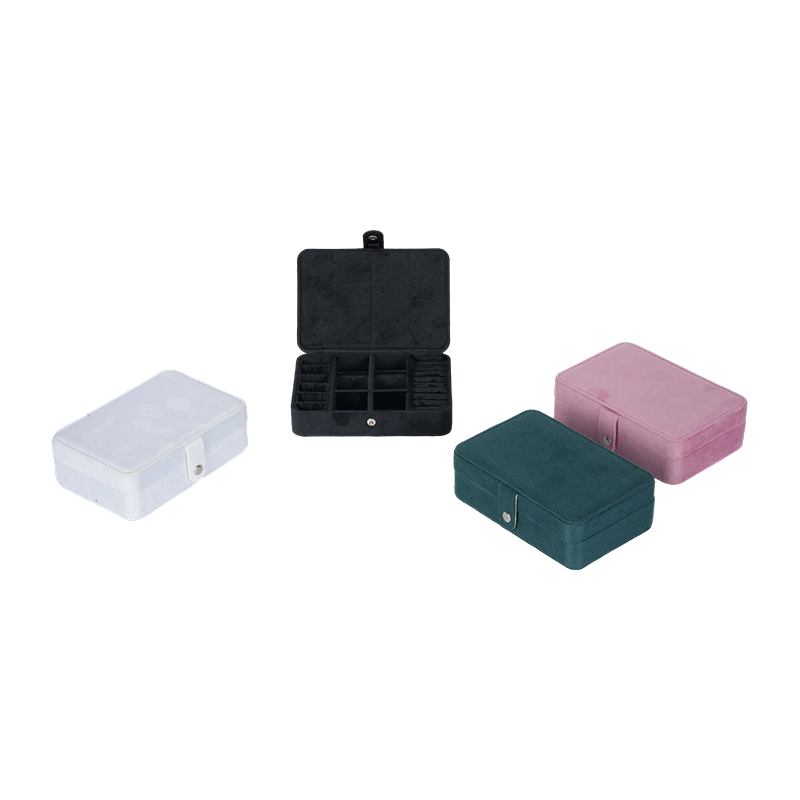
If a storage box becomes narrower without changing the internal arrangement, some products may no longer fit comfortably. If it becomes shallower, taller containers may be difficult to store. If compartments are reduced too much, products may end up crowded together.
So a compact organizer is not necessarily the smallest organizer available. It is a design where the available space is used with a clear purpose.
For manufacturers, this creates a balance between two areas.
The outside needs to fit the intended environment. The inside needs to accommodate the products without creating unnecessary gaps or awkward access.
That balance can involve several details:
None of these decisions needs to be complicated. What matters is that they are made with actual use in mind.
When a vanity becomes crowded, most people naturally look from side to side. The available surface is measured by width and depth, while the space above it is often ignored.
For some storage designs, that unused height can provide another direction for organization.
A taller structure can keep certain products above the main working area rather than extending the organizer farther across the countertop. This can be useful for compact environments, although height needs to remain practical.
There is little benefit in creating additional storage that is difficult to reach.
For that reason, vertical organization works best when the placement of each section is considered together with the products stored there.
Not everything in a beauty collection deserves the same level of accessibility.
Some products may be part of a daily routine. Others may only be used occasionally. Treating them all in exactly the same way can make an organizer harder to use.
A more natural arrangement places everyday items where they can be reached without moving several other products. Less frequently used pieces can occupy sections that are not as prominent.
This sounds like a small detail, but it can change how the whole storage system feels.
A user should not have to reorganize the contents of the box every time they need a commonly used item.
Capacity tells us how much can fit. Visibility tells us how easily the contents can be understood.
These are different things.
An organizer can hold a considerable collection but still be inconvenient if the products disappear behind one another. A visible layout can make it easier to identify what is available before taking anything out.
That is particularly useful for smaller products, which can become difficult to locate inside deep or crowded sections.
Clear organization does not mean that every product needs to be displayed openly. Instead, the user should have a reasonable idea of what is stored in each section.
For product designers, this can influence the relationship between open areas, divided sections, compartment depth, and the position of everyday items.
The result should feel understandable rather than overly complicated.
There is another side to detailed organization.
Adding more divisions does not automatically improve the product. If a compartment is too specific, it may only work for one type of item. Once the user's collection changes, that section may become empty while another area becomes crowded.
Flexible storage can therefore be useful.
A combination of narrower and wider areas allows different products to share the same organizer. It also gives the user some freedom to change the arrangement later.
For manufacturers developing products for different markets, this is worth considering. A storage layout should not become so rigid that a small change in the product range makes the organizer inconvenient.
For retailers, distributors, importers, and beauty brands, the sourcing process usually involves more than appearance.
The organizer needs to fit a particular customer group and a particular use environment. A design intended for a spacious dressing area may not be suitable for customers with limited countertop space.
Before selecting a design, consider where it will be used and what types of products it needs to hold.
A bathroom counter, bedroom vanity, retail display, and beauty studio can have very different storage requirements.
Look beyond the outside shape. Check whether the compartments make sense for the products that will be stored inside.
A storage product should not create unnecessary steps. Frequently used items should be reasonably easy to reach.
Beauty collections can change. A flexible structure may remain useful when new products are added or older products are removed.
For private-label and OEM projects, customization can provide a way to adjust the organizer around a particular product collection or market requirement.
A standard organizer can work for a broad range of users, but a customized structure can be developed around a more specific application.
For example, a brand with a collection of compact cosmetic products may need a different interior arrangement from a business selling larger skincare containers and beauty accessories.
The outer appearance can also be considered alongside the internal structure. Material, surface treatment, color, compartment arrangement, packaging, and overall presentation may all form part of the product development process.
For manufacturers, the useful starting point is often the intended product range rather than a fixed box shape.
Once the application is understood, the structure can be discussed around practical requirements.
Reducing the footprint too far can make the organizer difficult to use. Products may become crowded, access may become awkward, and the storage area may lose flexibility.
The objective is not to create the smallest possible container.
It is to create an appropriate relationship between the organizer and its surroundings.
Space efficiency is a balance between footprint, storage, access, and organization.
For a manufacturer, developing a vanity organizer is not simply a matter of reducing material or making the outer box smaller.
The structure needs to work as a complete product.
The development process can begin with the intended application, followed by the types of products to be stored, the desired internal arrangement, the available placement area, and the way users are expected to access the contents.
From there, different structural ideas can be reviewed through samples and practical testing.
This stage can reveal issues that are not always obvious from a drawing. A compartment may look suitable on paper but feel awkward when a product is actually removed. An opening may appear convenient but leave insufficient room for the surrounding items.
Small details can make a noticeable difference to the final user experience.
There is no single formula for every beauty storage product.
Some users need a compact organizer for a small collection. Others need a larger system for a broader range of products. Retailers may have different requirements from individual consumers, while beauty brands may want a customized structure that matches a particular product line.
What connects these applications is the need to use space sensibly.
A useful organizer should give products a clear place without unnecessarily taking over the surrounding area. It should make commonly used items reasonably easy to reach and allow the storage arrangement to remain understandable as the collection changes.
It could be, especially if the organizer occupies a large part of the available surface while leaving sections inside it unused.
But the solution is not always to choose a smaller box.
Sometimes the better answer is a different layout. Sometimes vertical organization makes more sense. In other cases, flexible compartments can make the existing footprint more useful. The right direction depends on the products, the environment, and the way the organizer will actually be used.
For buyers, these details are worth considering before sourcing a storage product. For manufacturers, they provide useful starting points when developing new designs or customized OEM and ODM projects.
A Vanity Organizer Box should have a clear purpose. It should organize beauty products without becoming another obstacle on the vanity. When the external footprint, internal structure, accessibility, and product requirements are considered together, the result can be a storage solution that fits more naturally into everyday spaces.
The idea behind a space-efficient Vanity Organizer Box is fairly simple: do more with the space that is already available.
That does not necessarily mean making the box smaller or adding more compartments. It means understanding the products, the user's routine, and the environment before deciding how the organizer should be structured.
For brands, retailers, and other buyers looking at customized beauty storage, this can be a useful way to approach product development. A manufacturer can then work from those requirements to explore the structure, internal layout, materials, appearance, and production details that fit the intended application.


bz13465898@gmail.com