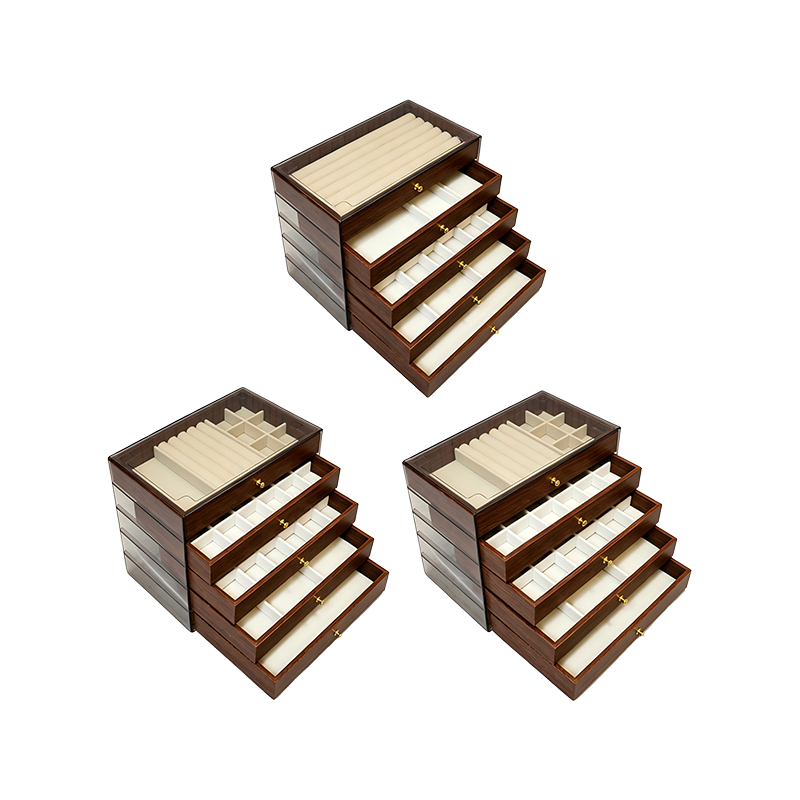
Jewelry Boxes: Industry Guide to Storage, Display, Travel and Custom Packaging Solutions
Anyone who's ever untangled a necklace from a pile of earrings knows why jewelry boxes matter. For jewelry brands, gift programs, display projects and lifestyle product collections, a well-designed jewelry box does far more than just hold things — it protects delicate pieces, lifts the overall presentation, and helps keep a consistent look running across an entire product line.
This category page covers factory-made jewelry storage boxes, gift jewelry boxes, display jewelry boxes, travel jewelry cases, lockable jewelry boxes and related custom packaging work. Think of it as a starting point for project-based development — material selection, structure planning, logo customization and the kind of long-term production partnership that keeps a product line consistent over time.
What Are Jewelry Boxes?
At the core, a jewelry box is simply a container built to store, organize, protect, display or present jewelry and related accessories. But the structure changes a lot depending on what's going inside — a box for rings looks nothing like one built for necklaces, and a box meant to hold several jewelry types at once needs its own kind of internal planning.
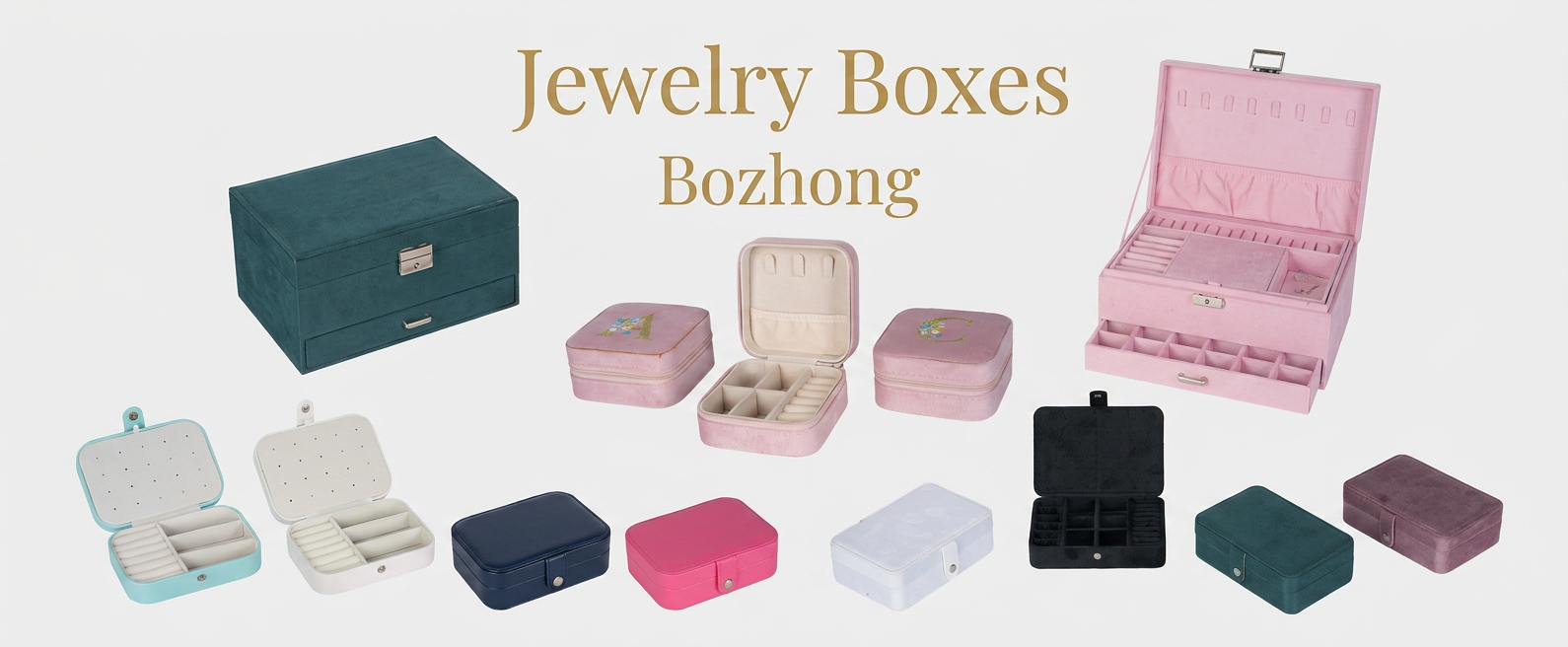
From a manufacturing standpoint, jewelry boxes typically need to handle several jobs at once:
- Organized jewelry storage
- Individual jewelry protection
- Multi-compartment organization
- Travel and portable storage
- Product presentation
- Gift packaging
- Display support
- Branded accessory packaging
The structure itself can range from something as compact as a single ring box all the way up to a larger storage case built with multiple compartments, drawers, cushions, dividers and protective interior layers.
Jewelry Boxes Industry Trends and Common Product Requirements
Jewelry storage and presentation needs shift alongside changes in product design, travel habits, gifting culture and display expectations. Styles come and go, but a handful of core requirements keep showing up again and again in jewelry box development.
Organized Internal Storage
Jewelry pieces rarely share the same shape or storage needs. Rings, necklaces, earrings, bracelets and pendants each tend to need their own compartment or dedicated holder — otherwise things end up tangled, scratched or shifting around more than they should.
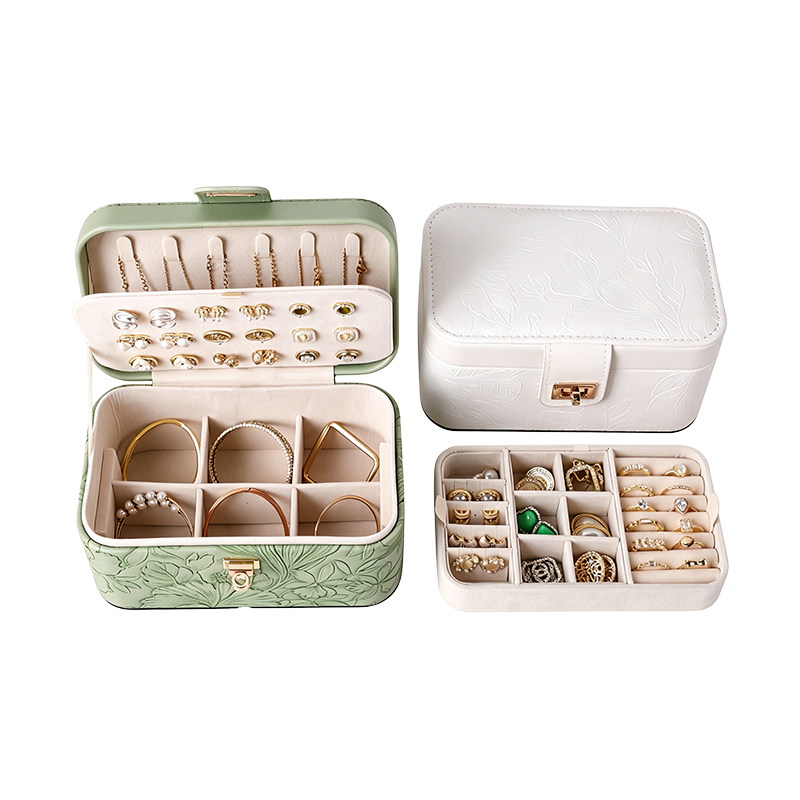
This is exactly why multi-compartment jewelry boxes remain so common wherever several pieces need to live together in one organized structure.
Compact and Travel-Friendly Structures
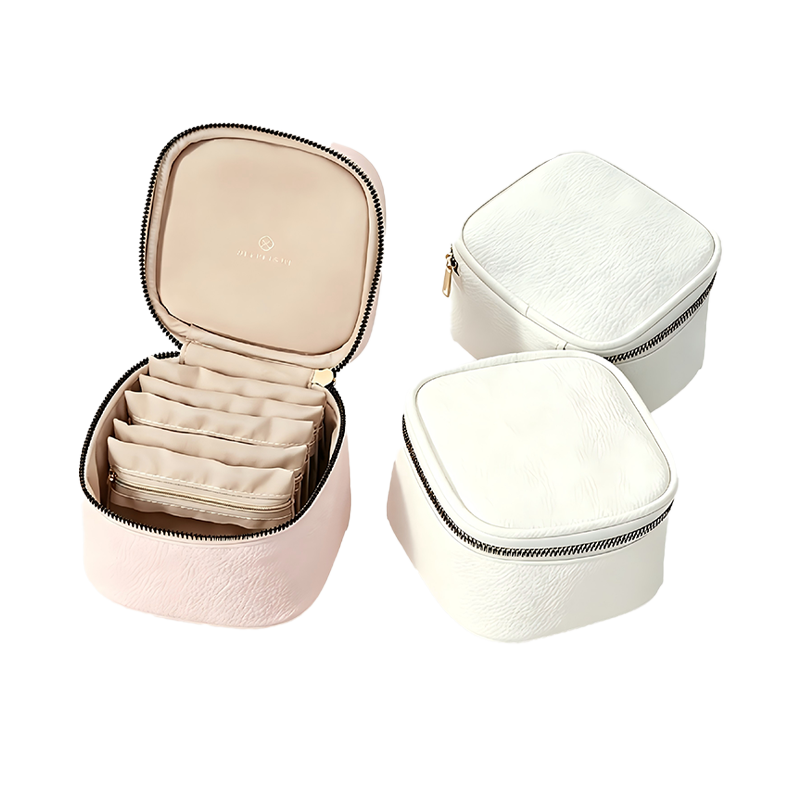
Travel storage is really a balancing act — enough internal organization to keep things separated, but small and light enough to actually pack. Folding cases, soft jewelry organizers, compact boxes and lightweight structures all get developed with that trade-off in mind.
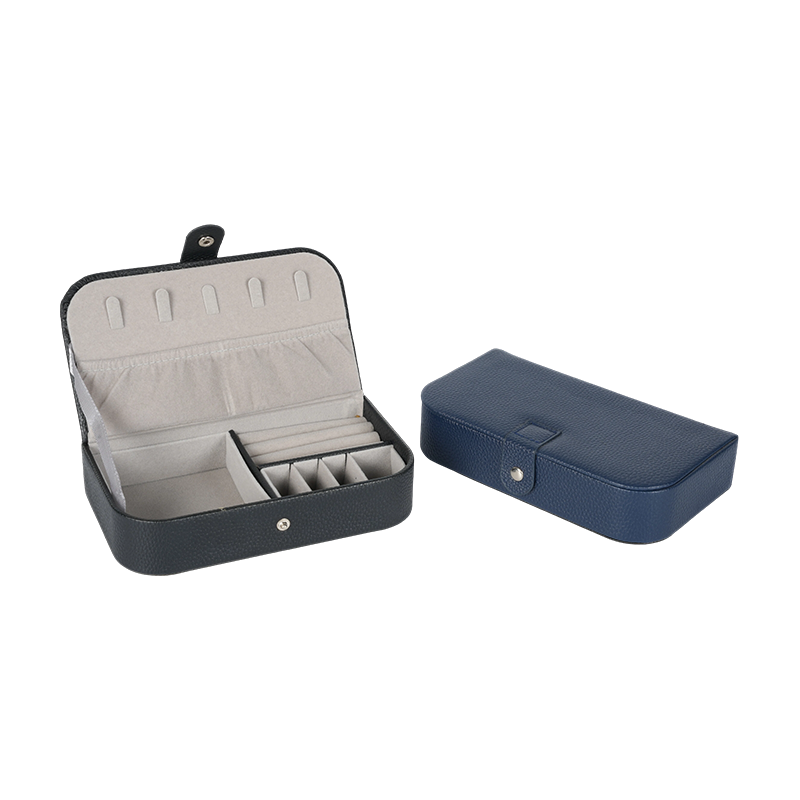
Inside, that might mean ring slots, necklace hooks, earring holders, elastic pockets, removable dividers or a few small dedicated compartments.
Presentation and Visual Consistency
A jewelry box shapes how a piece is perceived even before it's worn or put on display. Exterior materials, colors, surface textures, interior linings, logo placement and how the box opens all play into that overall presentation.
Product Protection
Jewelry surfaces don't hold up well against friction, pressure, dust or contact with other hard items. Interior linings, padded layers, separated compartments and well-fitted structures all help minimize that kind of unwanted contact during storage or transit.
Custom Product Development
A standard box with a logo slapped on rarely covers what most projects actually need. Real development usually touches dimensions, compartment layouts, exterior materials, lining structures, closures, decorative details and packaging all at once.
Product Range and Typical Configurations
Jewelry boxes break down by usage, size, internal structure and presentation purpose — and each type tends to serve a fairly distinct storage or display need.
| Product Type |
Typical Structure |
Common Use |
Customization Direction |
| Ring Box |
Slot insert, padded lid, compact lid-and-base design |
Ring presentation, gift packaging, display sets |
Logo, color, lining, exterior material, box shape |
| Necklace Box |
Flat insert, necklace hooks, soft inner pad |
Necklace display and presentation |
Insert layout, surface finish, logo placement, packaging sleeve |
| Earring Box |
Small compartments, card holder, padded base |
Earring storage and gift presentation |
Interior divider, lining color, printed card, outer texture |
| Bracelet Box |
Long insert, cushion, elastic or fixed holder |
Bracelet packaging and display |
Material combination, inner support, lid design |
| Multi-Compartment Jewelry Box |
Dividers, trays, ring slots, necklace areas |
Organized storage for multiple jewelry types |
Compartment layout, drawer structure, color matching |
| Travel Jewelry Case |
Zipper or snap closure, compact divider system |
Travel carrying and daily accessory storage |
Lightweight structure, soft lining, portable shape |
| Lockable Jewelry Box |
Lock, metal hardware, reinforced body |
Private storage and premium gift sets |
Lock type, hardware color, inner tray, exterior finish |
| Display Jewelry Box |
Structured presentation area, stable base, visual layout |
Showcase display and product presentation |
Display angle, insert material, brand color, logo method |
Any of these types can be reworked through material choice, interior design, closure method, logo craft and packaging format — which means one category ends up covering a surprisingly wide range of presentation levels, use cases and design directions.
Jewelry Box Structure and Functional Components
The outer shape of a jewelry box only tells part of the story. What actually determines protection, organization and usability lives inside — in the components most people never think twice about.
Interior Lining
The lining is the surface jewelry actually touches, so it matters more than it might seem. Fabric, velvet, suede-like materials and other soft coverings all get considered depending on the intended look and how much protection the piece needs.
A well-chosen lining goes a long way toward keeping jewelry away from harder structural surfaces underneath.
Cushioning and Protective Layers
Padded or cushioned sections give jewelry pieces extra support wherever they sit — inside lids, base sections, compartments or dedicated holders built specifically for that purpose.
Exactly how much cushioning makes sense depends on the size of the jewelry and how the storage is laid out.
Compartment and Divider Systems
Dividers keep different jewelry pieces apart and turn a single box into several organized zones. Some designs fix these dividers in place; others let them move or come out entirely.
A compartment layout can be built around one specific jewelry combination, or kept flexible enough to handle a range of pieces.
Dust Protection
A closed box does a decent job of keeping dust away during storage. Tight-fitting lids, secure closures and fully enclosed compartments all contribute to keeping the interior clean when the box sits unused.
Lock, Clasp and Magnetic Closures
Closure choice really comes down to the product itself and how it's meant to be used. Magnetic closures, clasps, latches and lockable mechanisms are all common approaches.
Whatever gets chosen needs to work naturally with the box material, the lid construction and the overall feel of opening it.
Transparent Display Areas
Some jewelry boxes build in transparent panels or display sections specifically so contents stay visible without opening the box. Whether this makes sense depends heavily on the application and the materials involved.
Hinged and Lift-Top Structures
Hinged lids and lift-top designs show up constantly in jewelry box construction. How the box opens directly affects accessibility, presentation, and how the exterior and interior relate to each other.
Carrying and Portable Features
Larger boxes or anything built for travel often pick up carrying handles, compact folding mechanisms or lighter-weight construction — all in service of making the thing easier to actually move around.
Materials Used in Jewelry Boxes
Material choice touches almost everything about a jewelry box — how it looks, how much it weighs, how it's built, how it feels in the hand, and how long it lasts. Some projects stick to one material; others mix several together within a single product.
Leather and PU Jewelry Boxes
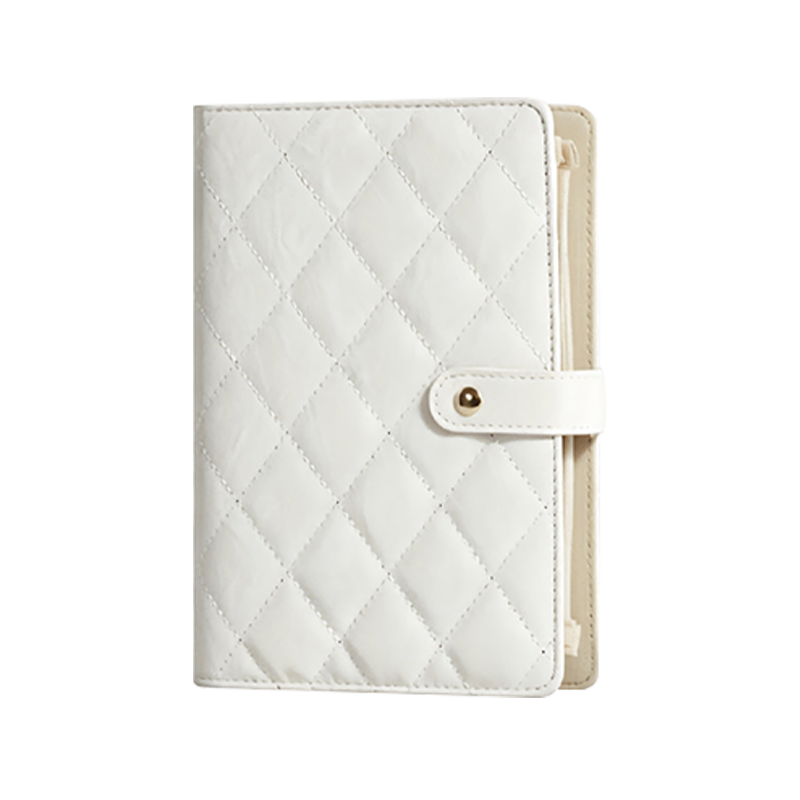
Leather, PU and other leather-like materials give an exterior that can feel smooth or textured depending on the finish. These often get paired with soft interior linings, creating a deliberate contrast between the outside feel and the inside storage area.
They work well across gift-oriented, storage-oriented and presentation-oriented jewelry boxes alike.
Wooden Jewelry Boxes
Wood brings a more rigid, structural quality and a distinctive look that's hard to replicate with other materials.
Wooden boxes often get combined with fabric linings, metal hardware, soft cushions or decorative surface treatments — whatever fits the product concept.
Velvet and Soft Fabric Interiors
Velvet and other soft fabrics are the go-to choice for interior linings and anywhere jewelry actually makes contact. The soft surface supports better presentation while keeping jewelry away from harder structural parts underneath.
Texture and color can both be adjusted to coordinate with whatever's happening on the exterior.
Metal Components and Hardware
Metal shows up in hinges, clasps, locks, handles and decorative details — basically anywhere structural function matters.
Whatever hardware gets chosen needs to match the box's construction and how it's meant to open, close or get carried around.
Acrylic and Transparent Materials
Where visibility is part of the design, transparent materials come into play. Acrylic and similar materials work for display windows, lids, panels or internal presentation sections when the concept calls for it.
Mixed-Material Jewelry Boxes
Plenty of jewelry boxes combine several materials at once — a rigid body wrapped in a leather-like covering, a soft fabric interior, metal hardware, and maybe a transparent display component thrown in too.
This kind of mixed-material approach gives real flexibility for balancing appearance, function, protection and structural needs all at the same time.
Custom Jewelry Boxes Development
Custom jewelry boxes work best when they're built around the actual intended use rather than adapted from whatever standard format happens to be on hand. Customization can touch the exterior, interior, structural components, decorative details and packaging — sometimes all at once.
Custom Dimensions and Shapes
Overall size and shape get developed around the intended jewelry capacity, storage environment or presentation requirements — not the other way around.
Material and Color Selection
Exterior and interior materials get chosen to match the desired visual style and how the product will actually be used. Different material pairings can also create deliberate contrast between the outside and inside of the box.
Internal Compartment Customization
The interior can be built around any combination of rings, necklaces, earrings, bracelets, pendants and other accessories.
Common configurations include:
- Fixed compartments
- Adjustable dividers
- Ring slots
- Earring holders
- Necklace hooks
- Padded cushions
- Layered storage sections
- Removable trays
Logo and Surface Customization
How a logo gets applied usually depends on the material and surface construction chosen for the box.
Common approaches include:
- Screen printing
- Foil stamping
- Embossing
- Debossing
- UV printing
- Custom graphics
- Pattern development
- Surface texture development
Which process actually makes sense comes down to the material, the product structure and the final design intent.
Packaging Customization
Outer packaging gets developed alongside the jewelry box itself, supporting protection, presentation and transport all together.
Packaging customization can include:
- Product boxes
- Protective internal materials
- Printed graphics
- Logo presentation
- Product information cards
- Instruction cards
- Outer carton arrangements
OEM and ODM Jewelry Boxes Development
Some projects need more than a few surface-level changes — that's where OEM and ODM development comes in.
The process typically runs through:
- Product application discussion
- Jewelry capacity and layout review
- Structural concept development
- Material selection
- Interior lining and compartment planning
- Closure and hardware selection
- Logo and decorative detail development
- Sample preparation
- Sample review and adjustment
- Production preparation
- Manufacturing and assembly
- Quality inspection
- Final packaging and shipment preparation
Handling it this way lets structure, materials, internal layout and external presentation all get treated as connected parts of one workflow — rather than separate decisions made in isolation.
Applications of Jewelry Boxes
Jewelry boxes cover a lot of ground — storage, presentation, gifting and general product support all fall under this one category.
Jewelry Storage
Multi-compartment structures keep different pieces organized and cut down on unwanted contact between rings, necklaces, earrings, bracelets and everything else sharing the space.
Gift Presentation
A well-built jewelry box turns gift-giving into something more considered — protective storage paired with an organized interior and a coordinated exterior look.
Jewelry Display
Display-oriented structures support organized presentation across showrooms, exhibitions, product displays and other visual environments where jewelry needs to be seen clearly.
Travel Storage
Compact boxes and travel cases help keep jewelry organized on the move. Folding structures, soft interiors, compartments and secure closures all get factored in depending on the concept.
Brand Accessory Packaging
Custom jewelry boxes become part of a bigger presentation story through logo treatment, color choices, materials and packaging design working together.
Corporate Gifts and Seasonal Activities
Jewelry boxes also adapt well to corporate gifting, holiday activities, commemorative events and other customized gift-giving occasions.
Long-Term Product Programs
When a product range needs consistent materials, colors, logo details and structural qualities across multiple jewelry box types, coordinated development helps keep that presentation unified over the long run.
How to Select the Right Jewelry Boxes for a Product Application
Choosing the right jewelry box really starts with two questions: what's it storing, and how is it being used?
Jewelry Type
The box structure needs to match whatever it's actually holding. Rings, necklaces, earrings, bracelets and pendants each tend to need their own kind of internal support.
Storage Capacity
Think through whether this is for a single piece, a coordinated set, or several items stored together in one place.
Interior Organization
Ring slots, dividers, hooks, trays, cushions and compartments should all be chosen based on exactly what jewelry types are going inside.
Material Direction
Leather-like materials, wood, fabric, velvet, acrylic and mixed-material combinations all support different looks and different functional needs.
Portability
Anything travel-oriented usually needs compact dimensions, lightweight construction, secure closures and efficient internal organization to actually be practical.
Display Requirements
If the box also needs to support presentation, opening structure, interior layout, visibility and overall material appearance all need to be considered together — not as separate decisions.
Branding and Packaging
Logo treatment, color choices, graphics, information cards and outer packaging all come together as part of the complete product presentation.
Why Choose Bozhong Jewelry Boxes
Factory-Based Product Development
Bozhong runs jewelry box development through a manufacturing-focused workflow that connects structure, materials, interior organization, surface details, production and quality inspection into one continuous process.
Flexible Structural Development
Boxes can be developed for different jewelry types, storage capacities, layout needs, travel requirements, display applications and presentation concepts.
Material Combination Options
Different material systems — leather-like coverings, wood, fabric linings, velvet, acrylic components and metal hardware — can all be considered depending on the product design.
OEM and ODM Support
Development can involve custom structures, dimensions, internal layouts, material combinations, colors, logo details, decorative finishes and packaging.
Interior Organization Solutions
Ring slots, dividers, trays, cushions, hooks, compartments and layered storage sections can all be adapted to fit different jewelry configurations.
Coordinated Product Presentation
A consistent visual system can run across multiple jewelry boxes by coordinating materials, colors, logo details, interior linings and surface treatments.
Manufacturing and Quality Control
Production covers structural preparation, material processing, interior assembly, hardware installation, final assembly, quality inspection and packing — start to finish.
Frequently Asked Questions About Jewelry Boxes
1. What types of jewelry can Jewelry Boxes store? Jewelry boxes can be built for rings, necklaces, earrings, bracelets, pendants, watches and mixed jewelry combinations. The interior structure should match the size, shape and storage needs of whatever it's holding.
2. Can Jewelry Boxes include removable storage sections? Yes. Depending on the structure, removable trays, dividers and compartments can be built in to create a more flexible internal layout.
3. What interior materials are suitable for Jewelry Boxes? Soft materials like velvet, fabric, suede-like coverings and padded linings are the usual choices for anywhere jewelry makes direct contact. The right material really depends on the design and the look you're going for.
4. Can Jewelry Boxes be designed for travel use? Yes. Travel-oriented boxes typically use compact structures, lightweight materials, organized compartments and secure closures to keep jewelry separated during transport.
5. What types of closures can be used on Jewelry Boxes? Depending on the design, closures might include magnetic systems, clasps, latches, locks or other structural fastening methods.
6. Can different Jewelry Boxes share the same visual design? Yes. Different structures can share coordinated materials, colors, interior linings, logo details and decorative elements, even while the internal layout adapts to different jewelry types.
7. Are Jewelry Boxes suitable for both storage and presentation? Yes. A single jewelry box can handle both jobs at once when the internal layout, opening structure, materials and visibility are all developed with both purposes in mind.
8. What information is useful when developing custom Jewelry Boxes? It helps to share the intended application, jewelry types, rough dimensions, storage capacity, preferred materials, internal layout needs, closure preference, color direction, logo details and packaging requirements.
9. Can Jewelry Boxes include custom printed information or cards? Yes. Product information cards, instruction cards, branding materials and other printed components can all be part of the packaging and presentation system.
10. Can Jewelry Boxes use more than one material? Yes. Mixed-material construction can bring together rigid structures, leather-like surfaces, wood, soft linings, metal hardware and transparent components — whatever the product concept calls for.


 English
 Español

 +86-131 0625 5568